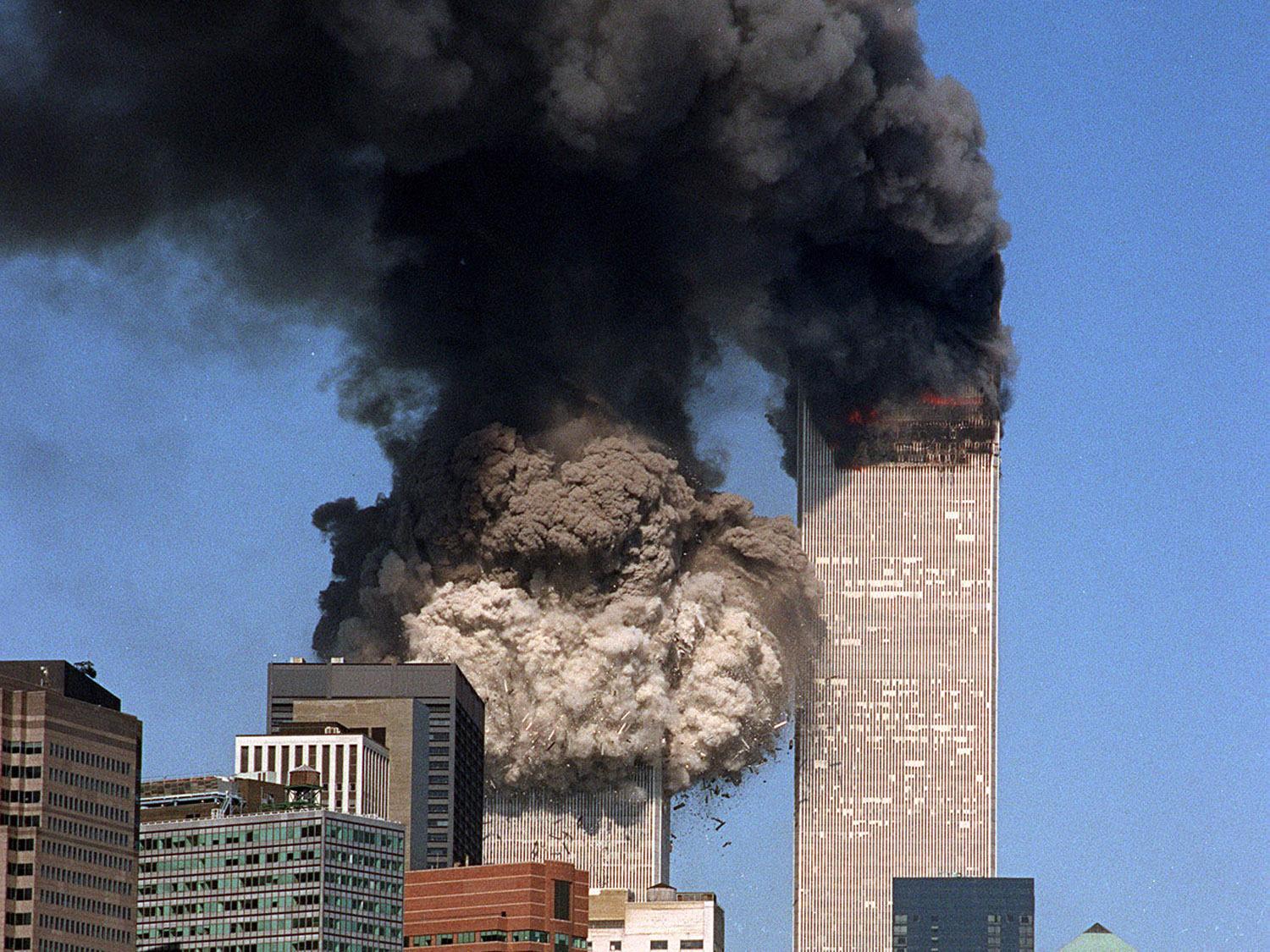
For those who lived through September 11, 2001, the 25th anniversary is not a distant memory but a visceral scar. The images of the Twin Towers collapsing were so pervasive that they became part of our collective psyche. Yet, on a recent walk near the Freedom Tower, I overheard a young girl reciting the day's facts to her younger brother with the detached precision of a history lesson. She had the dates, numbers, and names right—but her tone carried none of the trauma that defined the day for so many.
That girl's generation inherits a world shaped by Osama bin Laden's single act of destruction. The War on Terror, the rise of a surveillance state, and a wave of Islamophobia and xenophobia have all flowed from that morning. These forces have culminated in a political landscape where right-wing authoritarianism is not just a fringe idea but a growing global trend. The United States, once an imperfect liberal democracy, now faces a crisis of trust and governance.
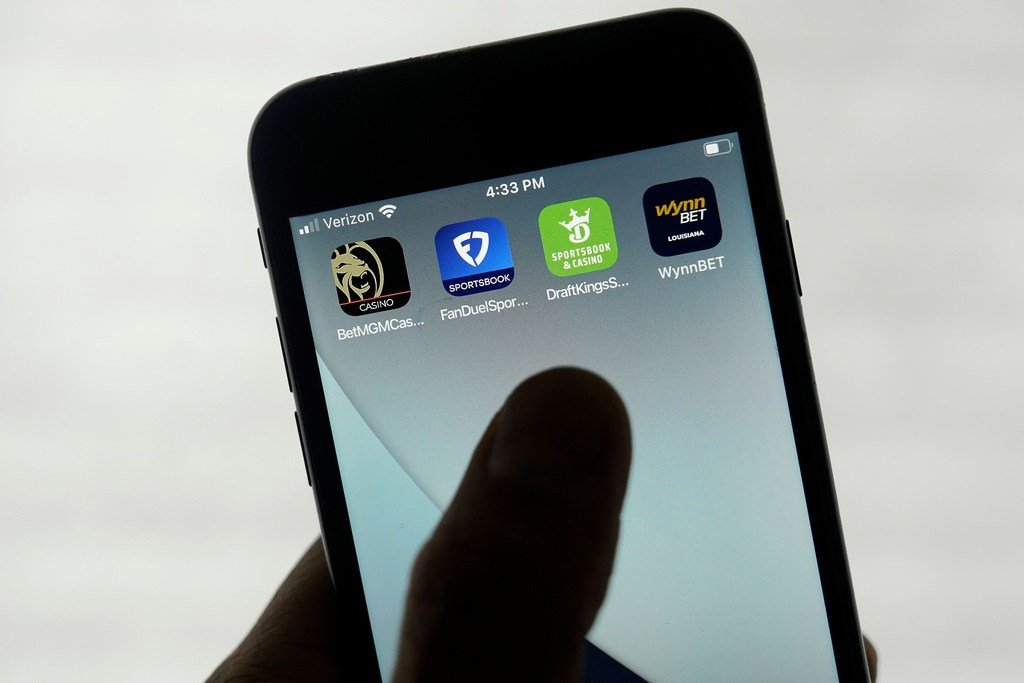
The surveillance apparatus that surrounds us today is far more advanced than anything imagined in the early 2000s. Private companies like Palantir, with a market cap exceeding $400 billion, have built their fortunes on federal contracts for AI-driven surveillance technology. CEO Alex Karp has openly derided non-Western cultures, reflecting a troubling fusion of corporate power and nationalist ideology.
The erosion of public trust in government, a direct consequence of the post-9/11 policies, has convinced many Americans that democracy itself is failing. This disillusionment has paved the way for President Trump's political extremism and a leadership vacuum where few in Washington seem willing to defend basic democratic principles.
While Republicans from Bush to Trump bear significant responsibility, the complicity of Democrats cannot be overlooked. Their votes for the Iraq War and the Patriot Act were morally indefensible, driven by electoral calculus rather than conviction. Senator Robert Byrd's 2003 speech captured the Senate's cowardice perfectly: "This chamber is, for the most part, silent—ominously, dreadfully silent. There is no debate, no discussion, no attempt to lay out for the nation the pros and cons of this particular war."
Today, we face a similar turning point. The choice between legitimizing Trump's authoritarianism or standing against it will define the next quarter-century. A failure to act boldly will only invite greater horrors, as the old threat paradigm continues to trap us in cycles of fear and overreaction.
The young girl at the memorial does not yet know that her generation is heir to unresolved traumas and political battles. If we persist on this ruinous path, she and her peers will be left to rebuild a nation whose foundational values exist only in history books. The time to act is now, before the promise of democracy becomes a relic of the past.