Iran launched retaliatory strikes on Monday against American military facilities in Jordan and the United Arab Emirates, escalating a confrontation that had been simmering for weeks. The attacks came after U.S. forces destroyed two Iranian rocket launchers over the weekend near the strategic Strait of Hormuz.
According to Iran's state-run Fars News Agency, the Islamic Revolutionary Guard Corps (IRGC) fired drones and missiles at the King Hussein and Al Azraq military bases in Jordan. Hours later, the IRGC targeted U.S. personnel and helicopters at Muwaffaq Salti Air Base in the UAE. The Iranian military described the strikes as a “necessary and lawful answer” to the U.S. action against its forces on Larak Island.
IRGC Warns of More Devastating Responses
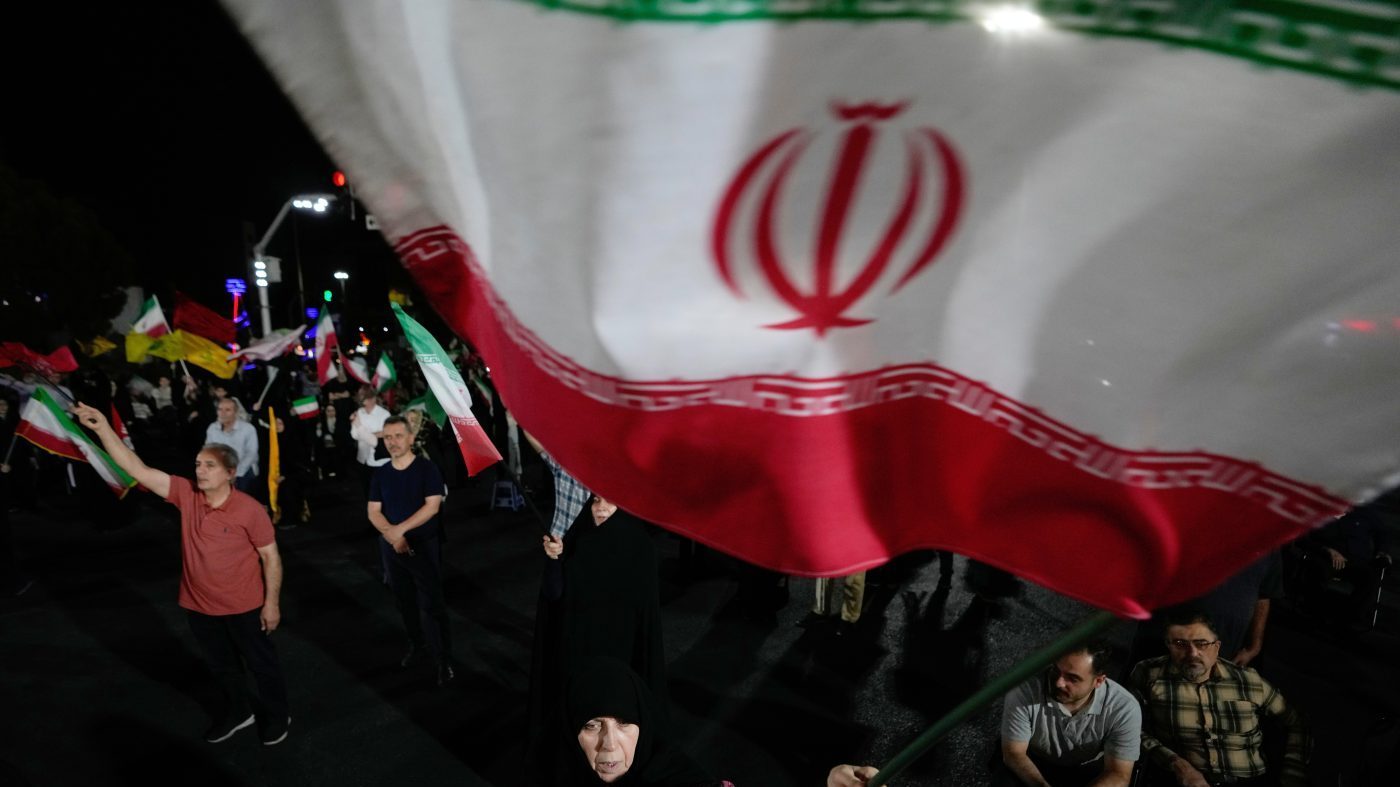
In a statement carried by Fars, the IRGC warned that “aggression and crimes will not solve the enemy’s desperation in attempting to weaken the Islamic Republic’s control over the Strait of Hormuz, and every attack will be met with even more devastating responses.”
Iranian President Masoud Pezeshkian echoed that defiance, telling the state outlet that Tehran would “not remain silent in the face of assault.” He added, “We are not seeking war, and this is a clear message that we have repeatedly communicated to the world.”
UAE Intercepts Drone, Calls It 'Dangerous Escalation'
The UAE Defense Ministry said it intercepted an Iranian drone over its territorial waters on Monday. The country’s Foreign Ministry labeled the attempted attack, which caused no damage, as “a dangerous escalation.”
U.S. Central Command (Centcom) spokesperson Navy Capt. Tim Hawkins said American forces struck the two launchers on Larak Island after observing IRGC personnel “preparing to launch rockets with sea mines” into the Strait of Hormuz. Centcom dismissed Iranian claims that the U.S. action was unprovoked, stating on X: “U.S. forces took limited, precise action against IRGC minelaying forces posing an imminent threat in the Strait of Hormuz. In essence, Iran created the threat and the U.S. military eliminated it to protect civilian mariners, commercial shipping, and the free flow of global commerce.”
Stalemate Broken After Weeks of Tension
This exchange marks the first known direct military confrontation between Washington and Tehran since late July, breaking a near-month-long stalemate. The U.S. has been pressing allies to sever financial ties with Iran as part of a broader economic pressure campaign, a strategy that has been a central pillar of the administration’s approach.
President Trump took to Truth Social late Sunday to claim that Iran’s Kharg Island—which handles roughly 90 percent of Iran’s crude oil exports—had been “blown to smithereens!!!” However, National Iranian Oil Company CEO Hamid Bovard pushed back, saying conditions on the island were “calm and appropriate.” Nournews quoted Bovard as calling Trump’s tweets “laughable.”
The strikes come amid a volatile regional environment, with the U.S. also navigating economic pressure on Iran while keeping military options open. Analysts note that the attacks on Jordan and the UAE could complicate U.S. efforts to rally Gulf allies against Tehran, as those nations now face direct security threats.
The Pentagon has not yet announced any additional deployments, but Centcom said it remains prepared to respond to further Iranian provocations. The situation remains fluid, with both sides signaling a willingness to escalate if challenged.