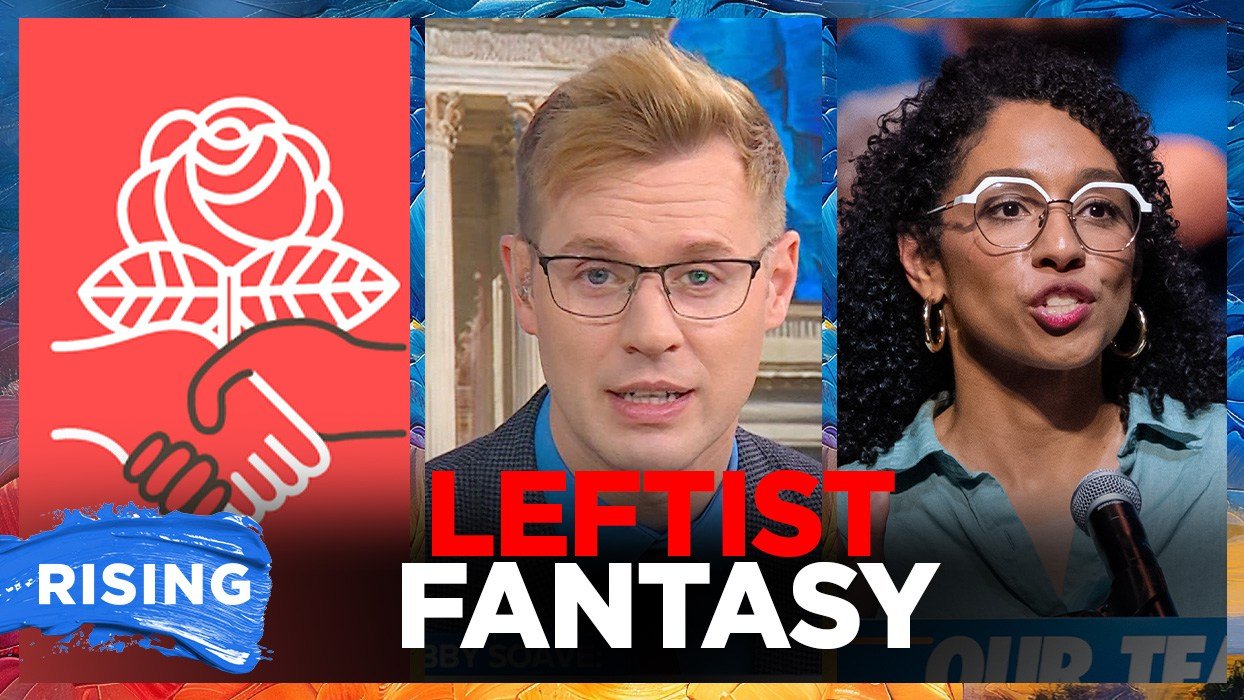
A recent survey from the Economic Innovation Group highlights a striking contradiction in American politics: Democrats hold a net favorable view of socialism by 31 points, yet across every demographic—including Democrats—voters say taxes are too high. This disconnect underscores a broader confusion about what socialism entails and how to finance it.
The poll's findings come as a new wave of Democratic legislators, many aligned with the Democratic Socialists of America (DSA), prepares to enter Congress. Their agenda, which includes abolishing market capitalism and overturning the Constitution, has alarmed moderate voices who warn that the party's leftward shift could have real consequences.
Socialism's appeal vs. fiscal reality
Moderate commentator Matthew Yglesias calls this the "strange evolution" of the modern Democratic Party. Many Americans want a more robust welfare state but have no idea how to pay for it—and already believe they pay too much in taxes. Leftist influencers and media figures have tried to resolve this by claiming that higher taxes on the ultra-wealthy alone can fund expansive new programs. However, economists like Jessica Riedl dismiss this as "lazy free lunch economics," noting that the rich already shoulder a disproportionate share of the tax burden.
Riedl's critique is blunt: "Self-described socialists expect taxes on the super-wealthy to finance all of socialism. It's not a theory of shared sacrifice as much as lazy free lunch economics. And politicians feed that by promising free lunches."
Politicians avoid hard choices
Politicians are complicit in this fantasy, promising increased spending without proposing the tax increases needed to pay for it. They are particularly reluctant to raise taxes on seniors, who receive the bulk of government benefits. Instead, they may target younger Americans through income and property tax hikes, betting that this demographic is less likely to vote.
This dynamic is playing out against a backdrop of quiet plans by House Democrats to reclaim power, and an aggressive oversight agenda for 2025. Meanwhile, some strategists warn Democrats against complacency, pointing to polling that may overstate their chances.
What socialism really means
Critics argue that most Democrats who view socialism favorably don't actually understand it. Socialism, in its traditional sense, involves state control of the means of production, leading to centralized planning and bureaucratic allocation of resources. This system has historically resulted in inefficiency and poverty, as seen in the Soviet Union, Cuba, and North Korea.
Yet many Americans equate socialism with generous welfare spending, which is not socialism—it's merely a feature of many capitalist countries, including much of northern Europe. The distinction is lost on many, but the DSA's leadership is clear about its goals: they want to dismantle capitalism and the Constitution.
As the new crop of Democratic legislators—such as Angie Nixon, Claire Valdez, and Darializa Avila Chevalier—takes office, their attempts to implement these ideas could face public backlash, especially if they require tax increases. The poll suggests that while socialism polls well in the abstract, the reality of paying for it may be far less popular.
For now, the disconnect remains: voters want more from government but are unwilling to foot the bill. It's a recipe for political conflict, and the next Congress may be the proving ground.