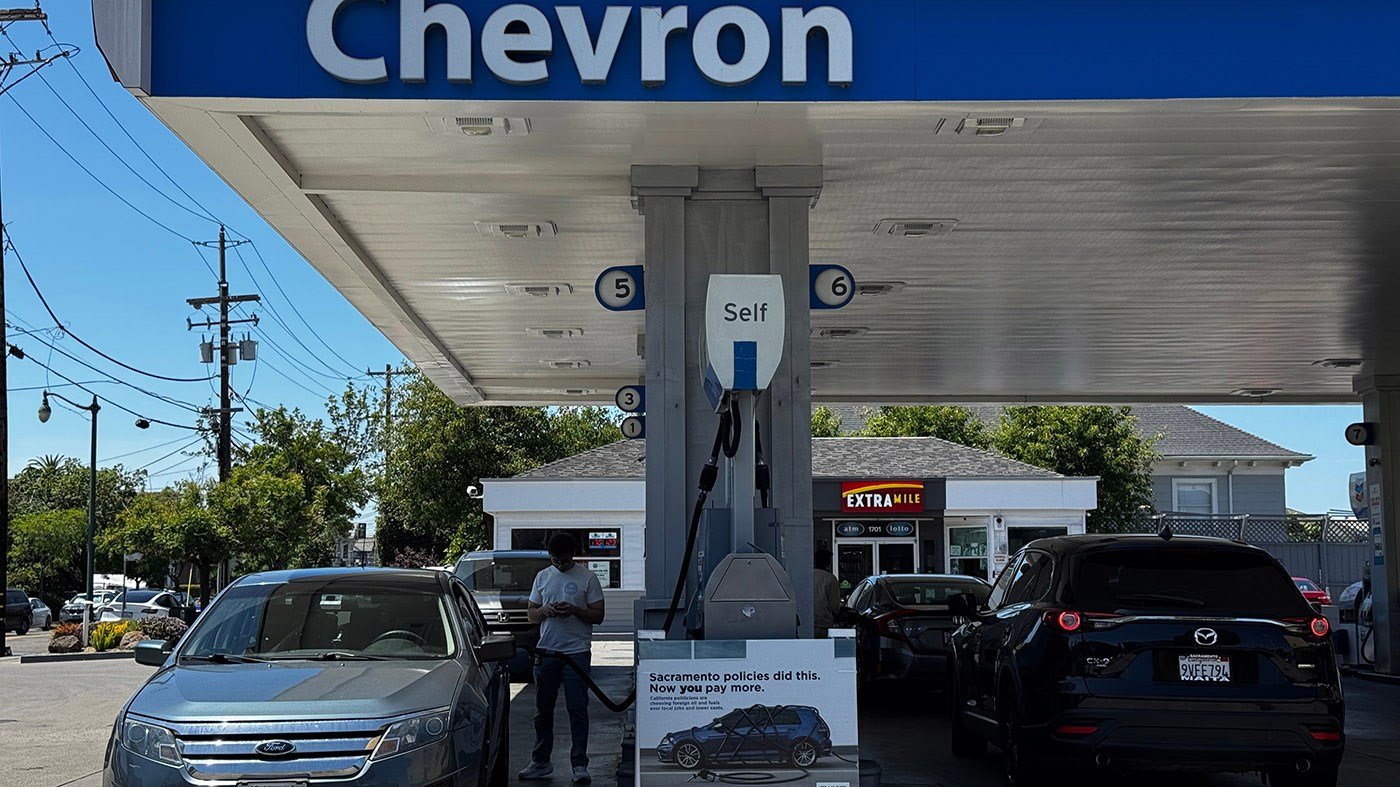
Drivers heading into the Labor Day weekend are facing the highest pump prices ever recorded for the holiday, according to AAA. The national average for regular gasoline reached $4.14 per gallon, surpassing the previous record of $3.82 set in 2012. Diesel also surged to an unprecedented $5.85 a gallon on Friday, adding to the economic strain on freight and travel.
The price spike is driven by the ongoing conflict with Iran, which has closed the Strait of Hormuz—a critical chokepoint for global oil tankers. The closure has severely restricted supply, sending shockwaves through energy markets. The impact is being felt not only at the pump but also in the broader economy, as higher fuel costs ripple into goods and services.

Administration officials have been reluctant to offer clear forecasts on where prices are headed. Energy Secretary Chris Wright, appearing on CNN's "State of the Union" on Sunday, avoided giving a direct answer when asked whether gas prices could continue to climb due to the Iran war and the ongoing Russia-Ukraine conflict.
"Look, I don't want to have an opinion on that, but if you look at the futures market right now, what can you buy gasoline for two months in advance from where we are today? It's down more than 30 cents a gallon from where it is today," Wright said. He added that he believes prices are more likely to fall than rise in the near term.
However, analysts remain cautious, noting that futures markets can be volatile and that the closure of the Strait of Hormuz—which handles roughly a fifth of global oil consumption—poses a significant supply risk. The situation has prompted federal scrutiny of grocery prices as the administration tries to address inflation concerns.
The record prices come at a politically sensitive time, with the Labor Day holiday traditionally marking the end of summer travel. The TSA expects a surge in travelers, and the higher costs are likely to weigh on consumer sentiment. Some lawmakers are pointing to the impact on working families, echoing historical debates about labor rights and economic fairness.
Economists warn that sustained high diesel prices could push up the cost of goods, as nearly all freight in the U.S. relies on diesel fuel. This could complicate the Federal Reserve's efforts to bring inflation down without triggering a recession. The administration has faced criticism for its handling of energy policy, with some arguing that government overreach is exacerbating the problem.
Meanwhile, the White House has not announced any new measures to ease prices, such as releasing more from the Strategic Petroleum Reserve or pressuring domestic producers to increase output. Energy analysts say that even if the Strait of Hormuz were to reopen soon, it could take weeks for prices to reflect the change.
For now, consumers are left to grapple with the highest fuel costs on record for a holiday weekend, a burden that is particularly acute for low- and middle-income households. As the labor market evolves—with certain jobs facing steep declines by 2035—the affordability of essential goods remains a pressing concern.