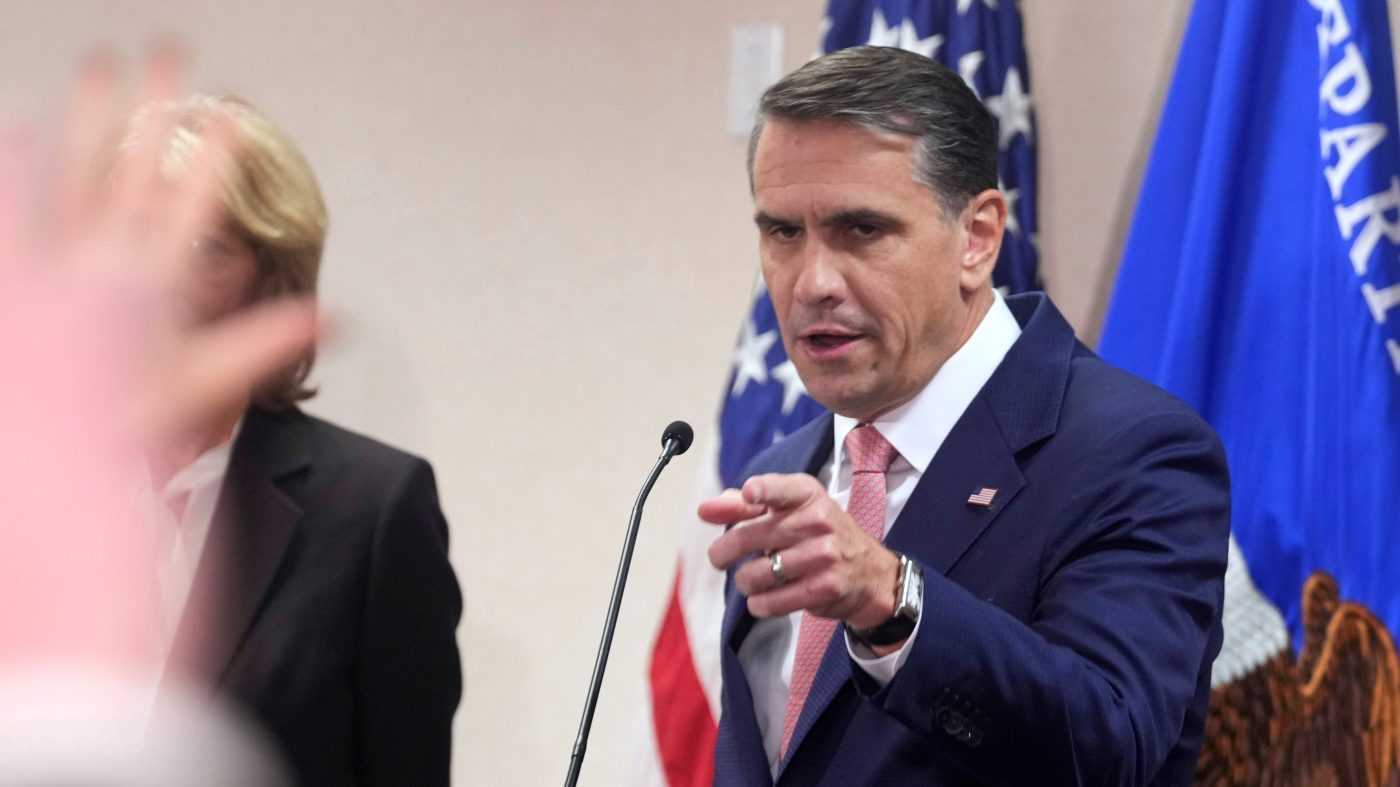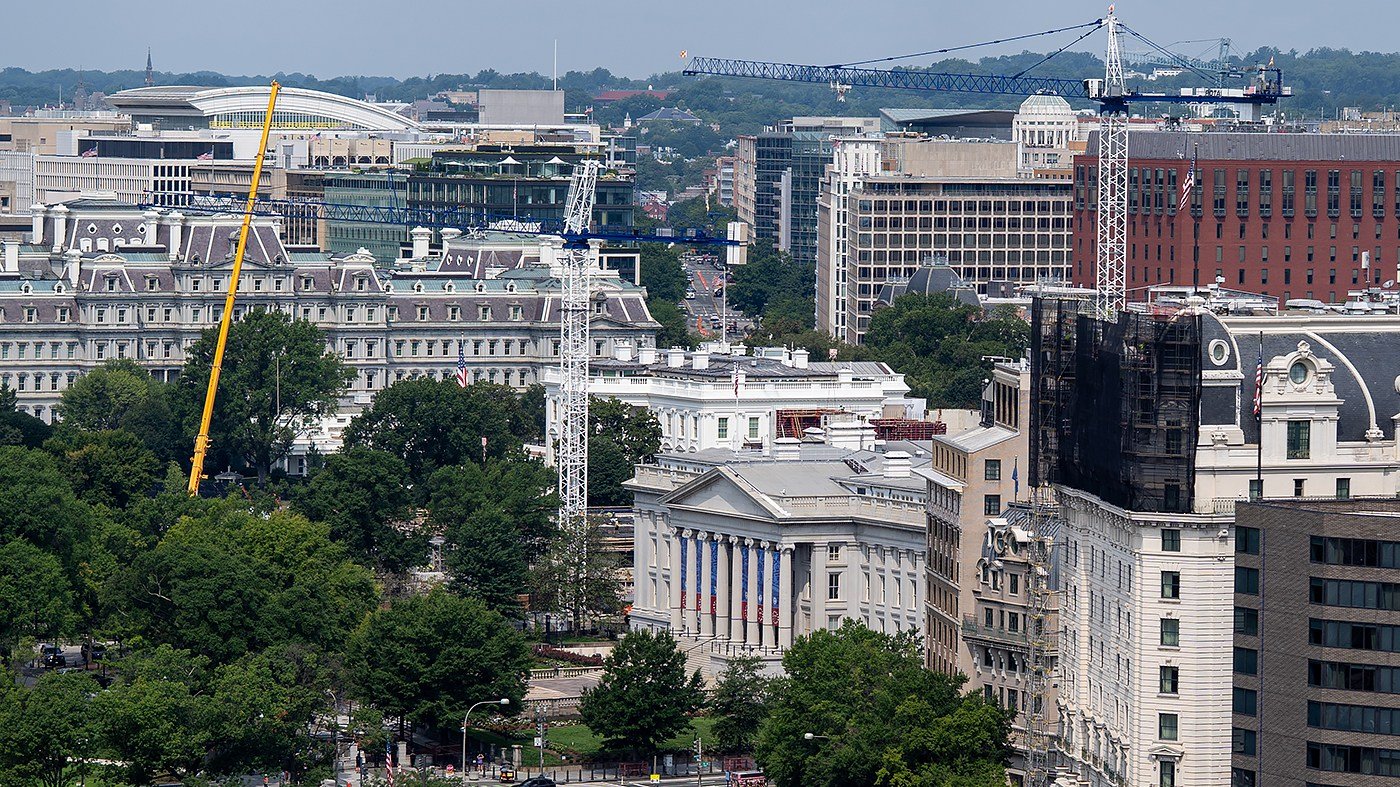
President Trump is pressing forward with the construction of a $400 million ballroom at the White House, citing a recent Supreme Court ruling that favored his administration. The project, located on the former East Wing site, is reportedly under budget and ahead of schedule, according to Trump, who addressed reporters in the Oval Office on Wednesday. "We have a lot of very happy construction workers," he said.
The high court's decision, issued on its emergency docket, determined that a historic preservation group lacked standing to challenge the project. The majority opinion stated that one member's "mere offense, disagreement, or distaste" was insufficient to establish legal injury, thereby allowing construction to resume. This ruling effectively bypassed the question of whether Trump had the authority to demolish the East Wing without congressional approval—a point the administration maintains it does not need.

Chief Justice John Roberts, joined by the three liberal justices, dissented, arguing that the president's actions were "likely unlawful" and that the plaintiffs, including Alice Hoagland, had standing. Roberts wrote, "The White House is not just any building, and—when it comes to historic preservation—[Alice] Hoagland is not just any person." He cautioned that the ruling allows the executive to continue "likely infringement of the Legislature's power of the purse and authority to regulate federal property in the District of Columbia."
This case is part of a broader pattern where the Trump administration has leveraged the Supreme Court's emergency docket to advance its priorities. Legal experts note that such procedural rulings often have substantive consequences, as they allow the government to proceed with actions before a full merits review. Melissa Murray, a law professor at NYU, explained, "When the court on the shadow docket decides to lift an injunction or stay a lower court's injunction, it basically allows the government to continue doing what it was doing."
The administration has framed the ballroom as essential to national security, citing recent threats to Trump's life. However, critics argue that the rushed timeline undermines legal review. Joshua Wurtzel, a construction litigation attorney, highlighted the practical dilemma: "The real risk to a challenger here isn't losing on the merits—it's the project being finished before any court gets there."
Beyond the ballroom, the administration has used similar tactics in other areas. Last week, the Supreme Court temporarily blocked a lower court ruling that had halted new U.S. Postal Service regulations affecting mail-in voting, a decision that favored Republican interests. The Justice Department has since asked the justices to lift a second block issued by a Boston-based judge. Justice Ketanji Brown Jackson, in dissent, criticized her conservative colleagues for enabling the administration's "Catch-Me-If-You-Can approach."
White House spokesperson Davis Ingle defended the pace, stating, "President Trump is moving at lightning speed because we don't have time to waste in our mission to make America greater than ever before." This urgency, however, has raised concerns among legal scholars about the increasing reliance on the emergency docket for substantive decisions. Murray noted that while the practice grew under both Trump and Biden, "the Trump administration has been far more successful in getting what they wanted."
In April 2025, the Court also sided with the administration in a case involving the Alien Enemies Act, allowing deportations of Venezuelans to resume. These rulings, while narrow, have enabled the administration to implement policies that might otherwise face prolonged litigation. As the ballroom project continues, the broader implications for executive power and judicial oversight remain a point of contention.