Workplace safety in the United States has hit a standstill, with federal oversight failing to keep pace with modern labor challenges, according to a new analysis. The toll is staggering: more than 5,000 workers die each year from on-the-job accidents, and an estimated 135,000 more succumb to occupational diseases linked to chemical exposures and other hazards. Millions more suffer injuries, some permanently disabling.
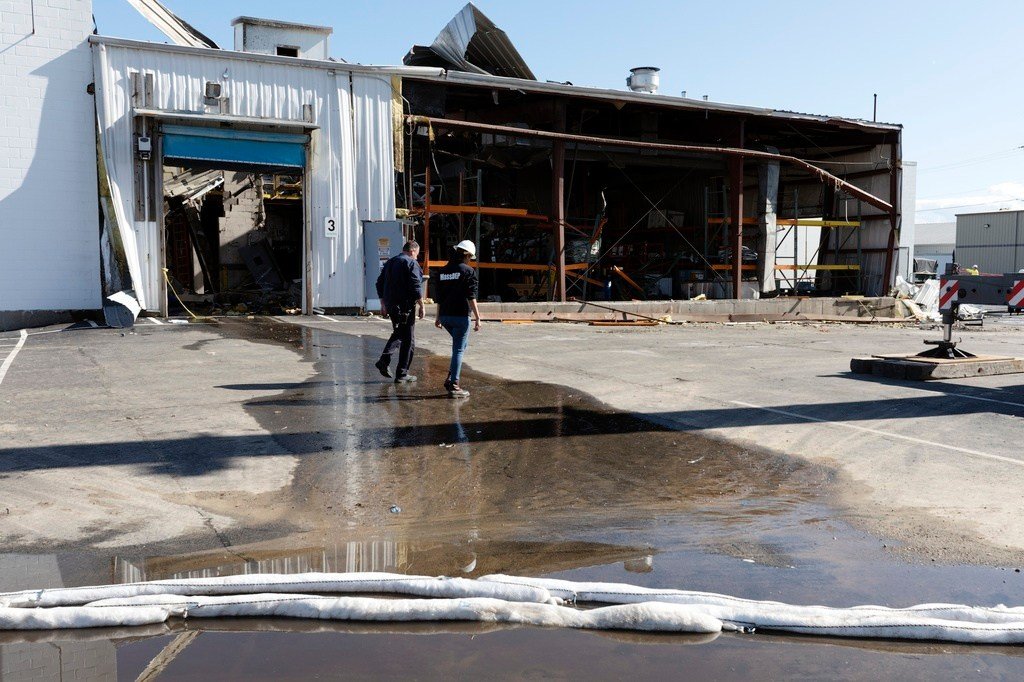
The recent explosion at a Longview, Wash., paper mill, which killed 11 people, briefly brought workplace safety into the national spotlight. But such tragedies rarely capture sustained attention, and the daily, quieter accumulation of deaths and injuries is often accepted as an inevitable cost of doing business.

This was not always the case. The Occupational Safety and Health Act, signed by President Richard Nixon in 1970, marked a bipartisan commitment to worker protection, following the deaths of over 300 coal miners in 1968. That legislation created OSHA, and workplace fatalities dropped from more than 30 per day to about 15 today, even as the workforce more than doubled. However, progress has stalled for over a decade.
Enforcement has weakened dramatically. In 1980, OSHA had nearly 15 inspectors per million covered workers; today, that number is fewer than six. With roughly 740 federal inspectors overseeing 11.6 million worksites, many employers face little fear of inspection. Compounding the problem, safety standards are woefully outdated. David Michaels, a former OSHA director, estimates that 90 percent of chemical exposure limits date back to the 1960s, and most workplace chemicals have no exposure limits at all.
The Mine Safety and Health Administration went more than 50 years without updating the silica exposure limit, a key factor in black lung disease. A long-overdue rule was finally issued in 2024, but its implementation has been delayed, casting doubt on its future. Meanwhile, penalties for violations remain trivial. The average fine for a serious safety violation is just $4,700, and for a fatality, about $20,000. In one egregious case, an employer paid over $100,000 after illegally hiring a 15-year-old who died on his first day. Since OSHA's inception, only 144 workplace fatalities have been referred for criminal prosecution, despite nearly half a million deaths on the job.
New hazards are also being ignored. A long-awaited heat standard is stalled even as temperatures soar, and a surge of lung disease among countertop workers goes unaddressed. There is no federal workplace violence standard, leaving millions of workers in retail, healthcare, and other sectors vulnerable.
The changing economy has further muddied responsibility. The rise of gig workers, independent contractors, temporary staffing, and franchises has blurred lines of accountability, leaving many workers without clear protection. State and local government employees are also excluded from federal OSHA coverage.
Critics argue that protecting workers is often seen as bad for business, but evidence suggests otherwise. Better safety reduces workers' compensation premiums and claims. Healthy workers are more productive and loyal. Former Alcoa CEO Paul O'Neill made safety the centerpiece of the company's turnaround, improving safety records, boosting efficiency, and generating record profits. Employee-owned companies with Employee Stock Ownership Plans also show safer workplaces, lower turnover, and higher productivity.
Few jobs are inherently dangerous; most can be designed to be safe. But without stronger regulations, many employers will cut corners. Inspections are proven to work. University of Pittsburgh professor John Mendeloff estimates that a 60 percent increase in inspections would cut construction fatalities by 5 percent, saving 50 lives in 2020 alone. OSHA also needs faster standard-setting, stiffer penalties, and workers' compensation reform to deter negligence.
Technology offers hope. Artificial intelligence could flag high-risk sites and detect hazardous exposures, but public-private partnerships are needed to make such tools accessible. Above all, policymakers must prioritize worker well-being. OSHA's annual budget of $600 million—just a few dollars per worker—is an insult to the American labor force. Refusing to extend federal protections to all workers is unconscionable.
If over 100,000 deaths occurred in any other context, it would trigger a national response. Yet the government's primary duty to protect its citizens is failing where they spend most of their waking hours. The human cost is immeasurable: millions of families missing loved ones. This problem has been tackled before; it is time to finish the work.