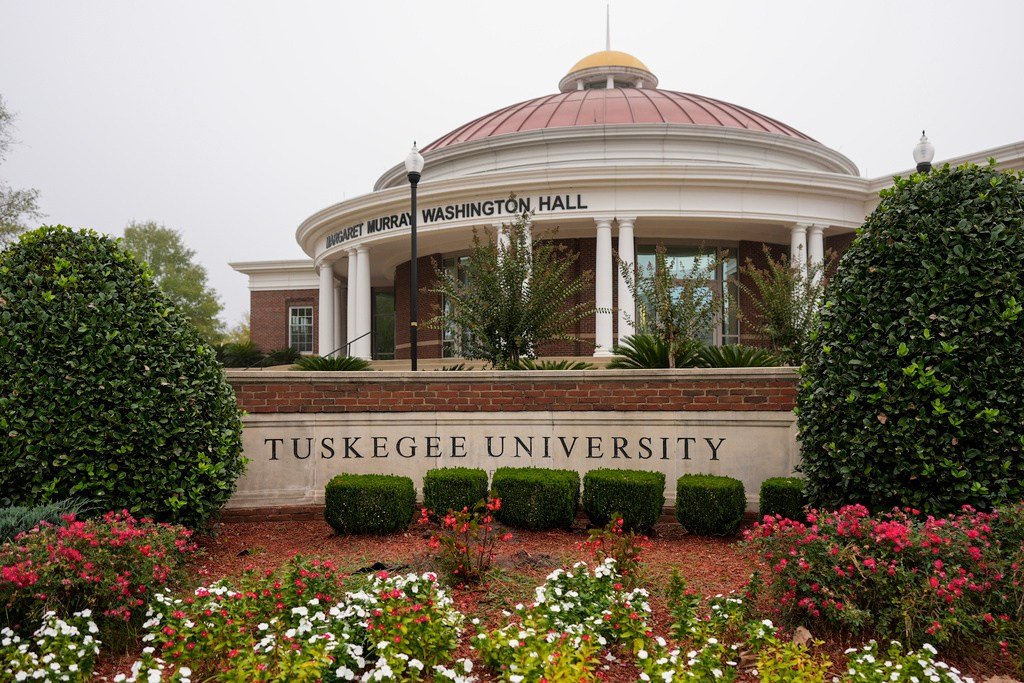
In the midst of a turbulent political climate—with President Trump's Iran policy under scrutiny, bond markets signaling instability, and the midterms fast approaching—Tuskegee University's recent decision to tighten its dress code might seem minor. But for the historically Black institution in Alabama, it's a deliberate move with significant implications.
President Mark A. Brown has implemented rules that prohibit revealing clothing and durags at class and university events, while also requiring students to turn off their phones during instruction. Brown's message is unambiguous: he aims to dismantle habits that reinforce damaging stereotypes about Black youth and hinder their professional advancement.
“The only need we feel is to prepare students to be successful: That's it,” Brown said, cutting through the usual equivocation.
This stance comes as the Trump administration continues to challenge diversity initiatives in academia and corporate America. Tuskegee's approach underscores a belief that Black students cannot afford to impose additional obstacles on themselves, particularly when societal biases persist.
The pushback against self-defeating imagery extends beyond campus. The recent conviction in the killing of rapper Tupac Shakur reignited conversations about how fame can be derailed by associations with violence and gang culture. Similarly, the tragic fate of Christopher Wallace, known as Notorious B.I.G., serves as a reminder of the perils of that lifestyle. These narratives, amplified by certain music genres and fashion trends, perpetuate a false equivalence between Black identity and criminality.
Tuskegee's policy is a direct challenge to that narrative, offering students a practical foundation in professional conduct. This isn't a new debate. Two decades ago, my book ENOUGH criticized Black leaders and educators for failing to confront negative cultural messages in music and fashion. The same old-guard critics who dismissed that argument also attacked comedian Bill Cosby for his 2004 speech on personal responsibility, and Senator Barack Obama for his 2008 remarks on Black fatherhood.
While Cosby's later actions rightly discredited him as a moral authority, his underlying message about accountability remains relevant. In today's polarized environment, any call for personal responsibility within the Black community is often misconstrued as partisan. That's a mistake. Standards and discipline are not racist; they are tools for empowerment.
As the job market grows increasingly competitive, especially with the rise of artificial intelligence, the skills imparted by institutions like Tuskegee are more crucial than ever. Booker T. Washington, who founded the university, understood that education must go beyond academics to cultivate independence and dignity.
By enforcing these standards, Tuskegee is not capitulating to stereotypes; it's preparing its students to succeed in a world that may not give them the benefit of the doubt. That's why this policy matters.