Washington is bracing for a generational shift. With Election Day less than two weeks away, voters are poised to send one of the largest freshman classes in decades to Capitol Hill—and potentially one of the youngest.
According to a new analysis from Future Caucus, a nonpartisan group that tracks young lawmakers, more than one-third of all congressional candidates this cycle are millennials or members of Gen Z. That is a dramatic jump from 2022, when just one in six candidates fell into those age brackets. In Senate races, millennials now make up the largest generational bloc of any age group.

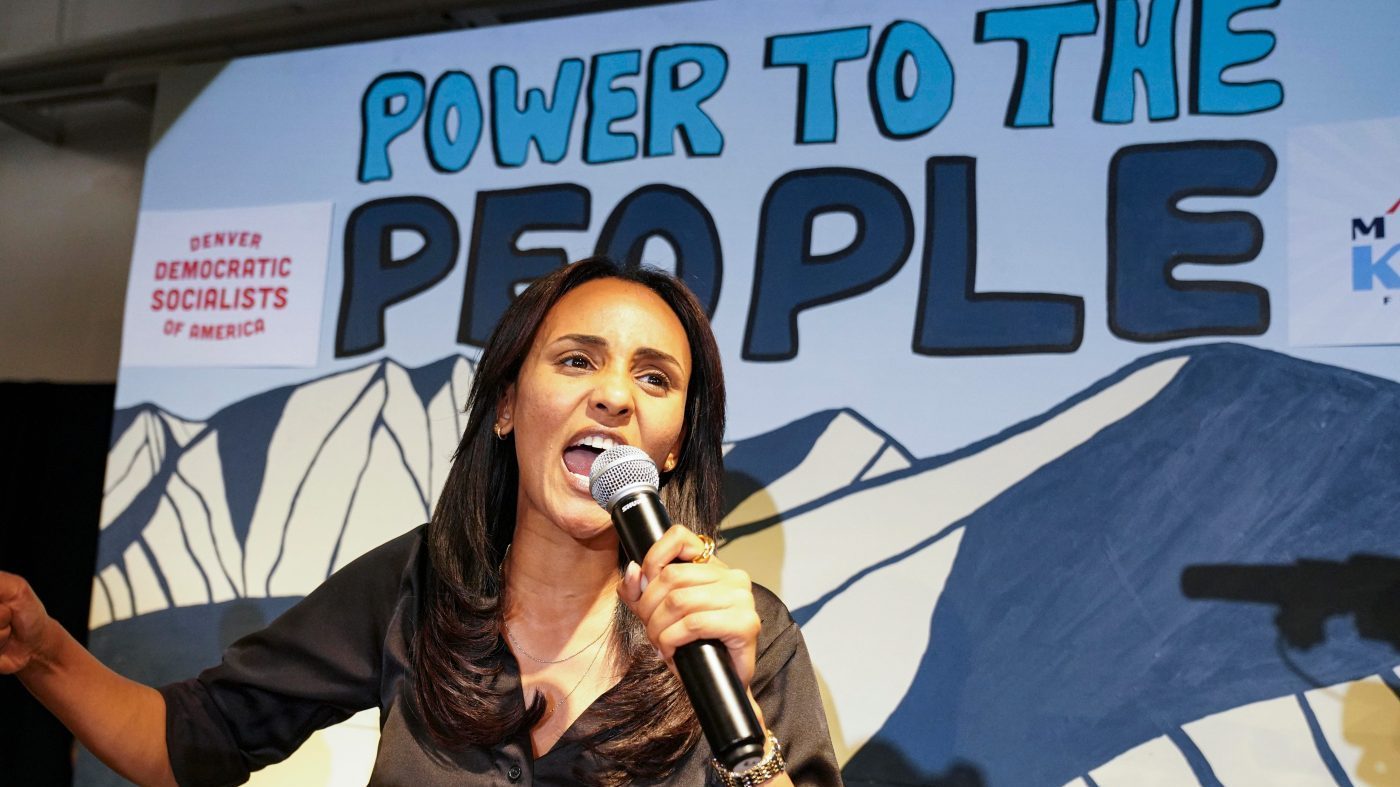
The surge reflects deep public frustration with an aging political establishment. Approval ratings for Congress remain stuck in the low teens, and roughly eight in ten Americans across party lines support age limits for federal office. That discontent has already produced tangible results: of the 11 incumbents who lost primaries this year, six were ousted by younger challengers, three of whom were under 35. Among them was 29-year-old Melat Kiros, who defeated 15-term Colorado Rep. Diana DeGette.
“I got mad. So instead of continuing to get angry, I decided to get elected,” one millennial state legislator told Future Caucus, capturing the mood of a generation that is moving from protest to politics.
But running is not the same as winning. The data shows a steep generational drop-off: only 21% of Gen Z candidates and 30% of millennials made it to the general election ballot, compared with 41% of Gen Xers and 45% of baby boomers. In Senate races, the gap is even wider.
One reason may be that younger candidates are more willing to step outside the two-party system. Mirroring the independent streak of Gen Z voters, one in six Gen Z candidates filed as a third-party or unaffiliated contender. While that may hurt their immediate chances, it should serve as a warning to the major parties: if they want the next generation’s talent, they need to adapt.
The surest path to Congress runs through the statehouse, but few young candidates are taking it. Roughly two-thirds of current or former state legislators who ran for Congress this year advanced to the general election, compared with only about a third of those without that experience. Yet just 9% of millennial candidates and fewer than 2% of Gen Z candidates have served in a state legislature.
That experience is increasingly decisive. After mid-decade redistricting, 85% of House races are now considered safe for one party, meaning the primary is often the real contest. Knowing how to navigate filing deadlines, petition requirements, and local coalitions can make all the difference. And it pays off after Election Day: nearly half of current members of Congress started in a statehouse, and a study by the Center for Effective Lawmaking found that state-level bipartisan caucuses—like the Future Caucuses—are 24% more effective at advancing legislation.
“Serve in your statehouse first” may sound like “wait your turn,” but it’s not. Most state legislators serve part-time, keep their day jobs, and win by knocking on doors—about as far from the Washington establishment as elected office gets.
Yet a younger candidate pool does not automatically mean a more representative one. Men outnumber women by roughly three to one among all congressional candidates, and among Gen Z, more than four in five candidates are men—the widest gender gap of any generation. Even among challengers with state legislative experience, men outnumber women nearly three to one.
Generational change alone won’t fix these disparities. Future Caucus’s research on why state lawmakers leave office points to obstacles that also deter people from running in the first place: threats to family safety, low pay, thin staff support, and hyper-partisanship. These burdens fall hardest on women, but they are all fixable.
Parties should actively recruit young people—especially young women—for city councils, school boards, and statehouses. Those offices are not just important in their own right; they are the most reliable pipeline to a Congress that actually works. That means paying state legislators enough so that service isn’t limited to the wealthy, and treating threats against public officials as the serious crimes they are.
Whoever wins in November, the bench is deep and it is young. The question is whether Washington will be ready to put that energy to work.