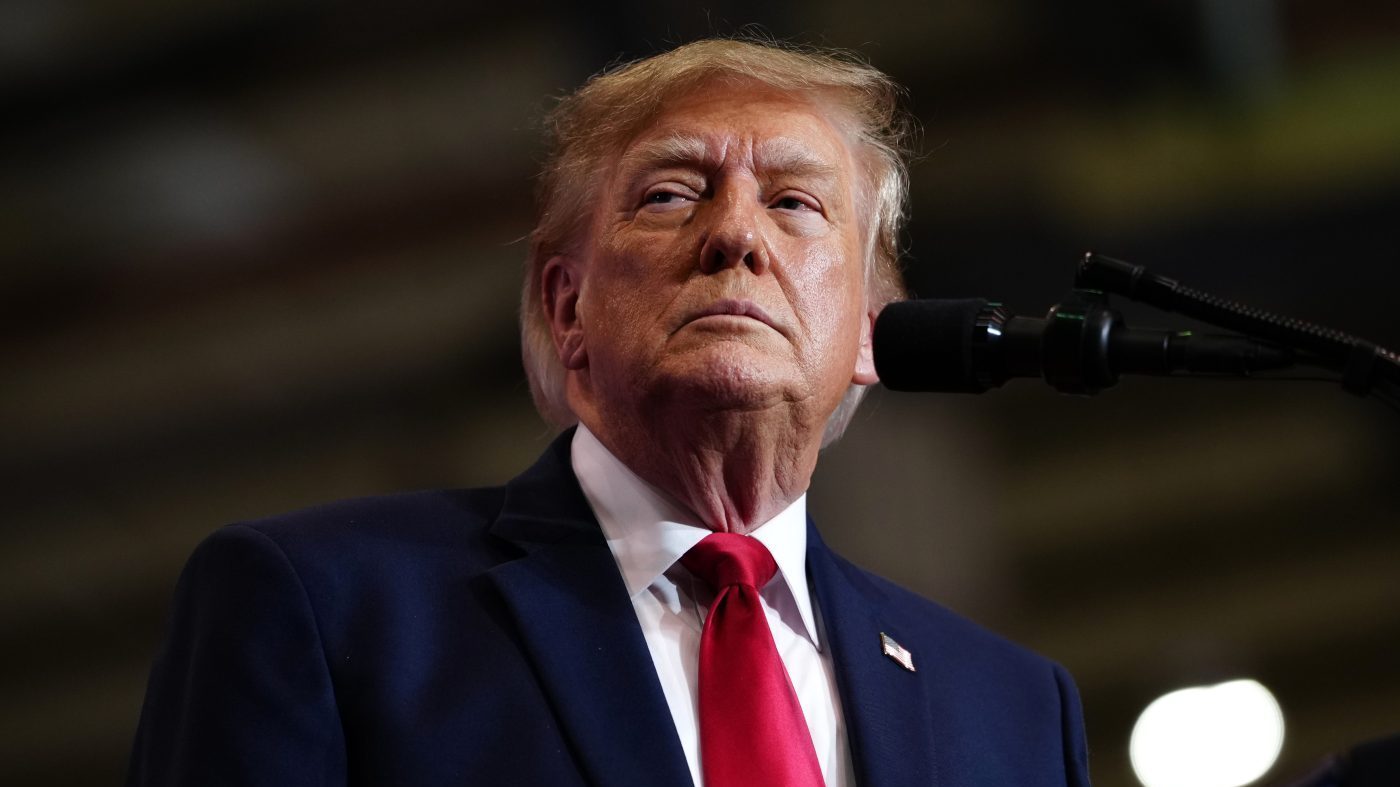
With just ten days until the midterm elections, former President Donald Trump is set to rally Republican supporters in Sioux City, Iowa, on Thursday, aiming to shore up support for the party's candidates in a state where the Senate race has tightened unexpectedly.
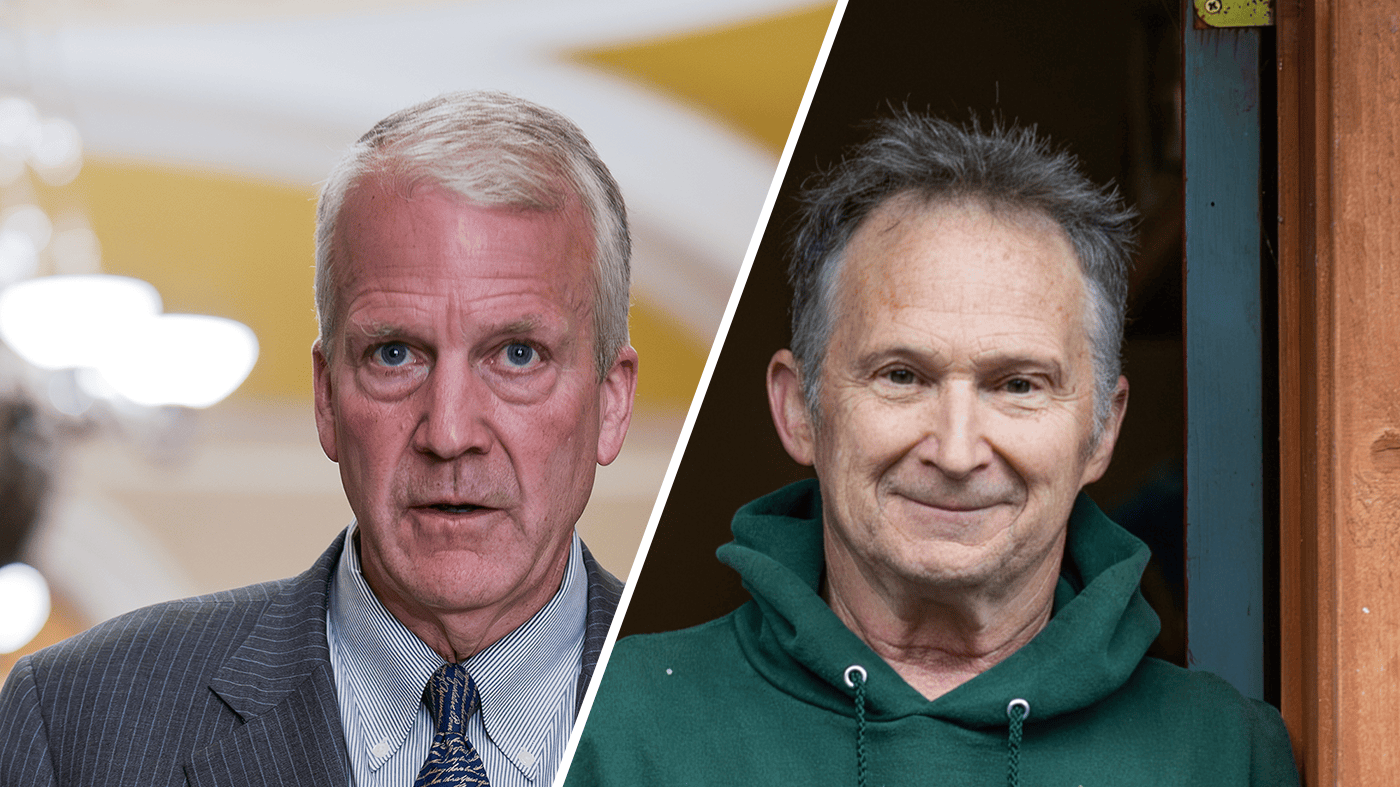
The rally comes on the heels of two high-stakes Senate debates on Wednesday night in Michigan and Kansas, where GOP candidates faced tough questions and Democratic challengers sought to tie their opponents to Trump's polarizing record. In Michigan, former Rep. Mike Rogers (R) and Democrat Abdul El-Sayed sparred over national security and Trump's influence. Rogers repeatedly attacked El-Sayed over allegations of past ties to the Muslim Brotherhood, which El-Sayed has categorically denied. El-Sayed, in turn, hammered Rogers for his alignment with Trump, a strategy that has resonated with some voters in the state, as noted in coverage of the debate.
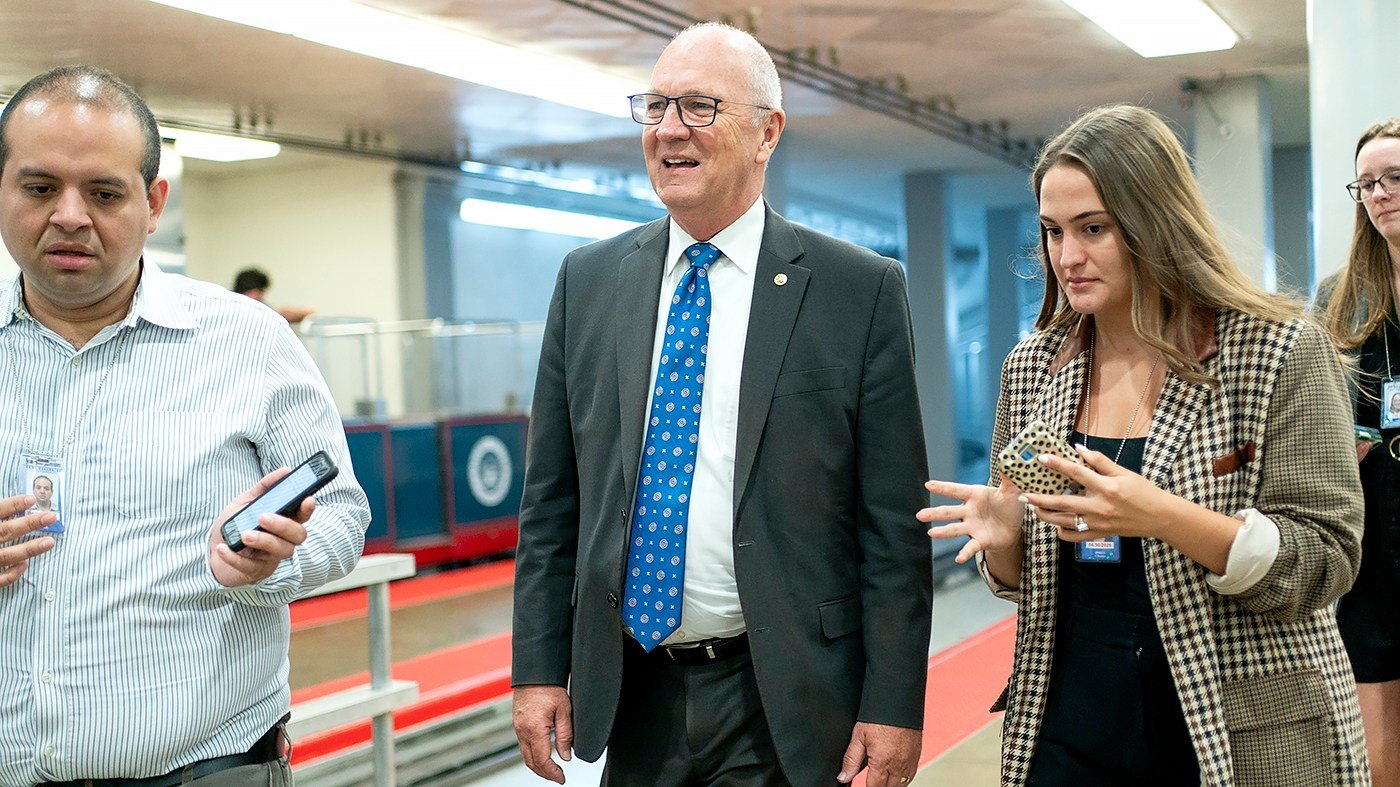
In Kansas, Sen. Roger Marshall (R) faced off against Democratic pastor Adam Hamilton in a race that has become unexpectedly competitive, with recent polls showing a single-digit gap. Marshall leaned on his conservative record, while Hamilton emphasized kitchen-table issues like healthcare and inflation. The debate highlighted the GOP's struggle in a state that has been reliably red but where dissatisfaction with the party's direction is palpable.
Trump's Iowa visit is part of a broader push to energize the base as Republicans brace for a challenging midterm environment. The former president's presence is intended to boost Rep. Ashley Hinson (R), who is locked in a tight race for an open Senate seat, and to help GOP gubernatorial nominee Kim Reynolds, who faces a surprisingly strong Democratic challenge. Trump's recent swing-state rallies have underscored the party's anxiety about retaining control of Congress.
In addition to rallying support, Trump will promote his Harvest Fuel Relief Program, announced earlier this week in Kansas, which aims to offset diesel costs for farmers during the harvest season. The program is seen as an attempt to appeal to rural voters, a key demographic in Iowa, and to counter Democratic criticism that the administration has ignored agricultural concerns.
Political analysts note that Trump's involvement could be a double-edged sword. While he remains popular with the GOP base, his high-profile endorsements have sometimes backfired in competitive races, as seen in Mississippi's Senate race, where his rally signaled GOP nervousness. In Iowa, however, his support may be crucial to turning out rural voters who are essential to Republican success.
Meanwhile, Democrats are capitalizing on the GOP's internal divisions and the controversy surrounding Trump's recent actions, including his pause on Russia sanctions, which drew bipartisan criticism. In Michigan, El-Sayed has sought to link Rogers to these controversies, while in Kansas, Hamilton has painted Marshall as a rubber stamp for Trump's agenda.
With the election just over a week away, both parties are making final pitches to voters. The outcomes in Michigan, Kansas, and Iowa will be critical in determining control of the Senate, and Trump's last-minute campaigning could tip the balance in several tight races.