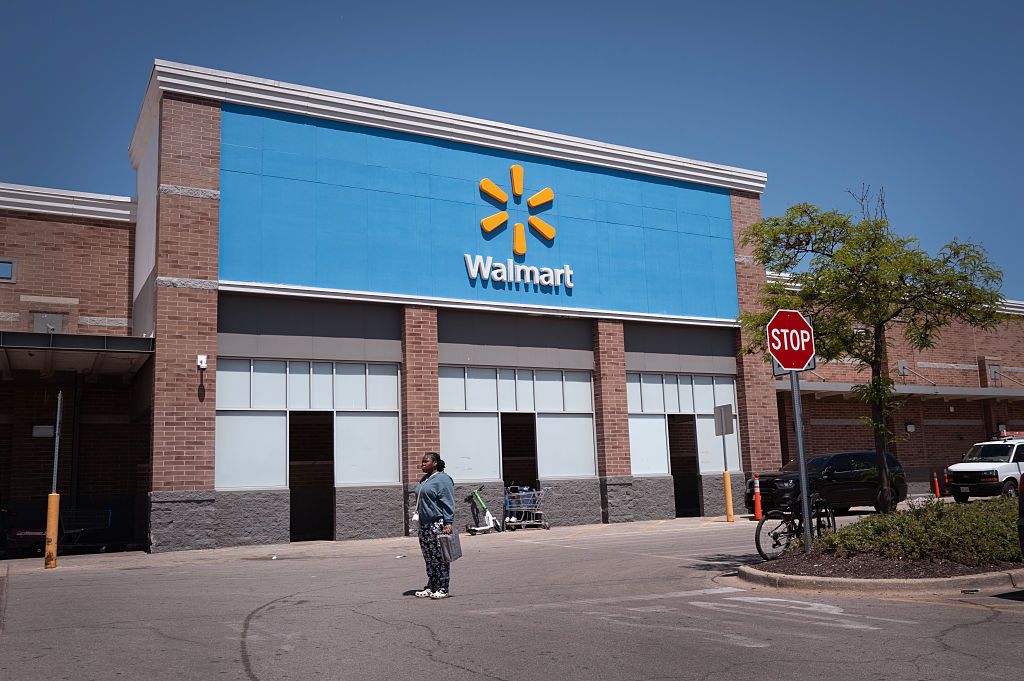
The Food and Drug Administration has escalated a recall of Walmart's private-label fruit cocktail, citing potential lead contamination in thousands of cans sold nationwide. The agency on Tuesday classified the action as Class II, a designation indicating that exposure to the product could lead to temporary or medically reversible health issues.
According to the recall notice, over 44,000 cans of Great Value Fruit Cocktail in Fruit Juice from Concentrate are affected. The cans may contain elevated levels of lead, a heavy metal that poses particular risks to children and pregnant women, though the FDA notes that the health consequences are not likely to be severe or permanent for most consumers.

This is not the first time Walmart's store-brand products have faced scrutiny. Earlier this year, a separate recall of Walmart pasta products was issued over listeria concerns, highlighting ongoing food safety challenges within the retailer's supply chain. The fruit cocktail recall adds to a growing list of consumer goods pulled from shelves due to contamination risks.
Lead exposure, even at low levels, can accumulate in the body over time. Symptoms of lead poisoning may include abdominal pain, headaches, and fatigue, but many people experience no immediate symptoms, making it difficult to detect without testing. The FDA's Class II classification reflects the potential for adverse effects but stops short of labeling the situation a severe health emergency.
Consumers who have purchased the recalled fruit cocktail are urged to check the lot codes and best-by dates listed in the official recall notice. They should either discard the product or return it to the point of purchase for a full refund. Walmart has not yet commented on whether the product remains on shelves, but typical recall protocols involve immediate removal from inventory.
This recall comes as the FDA ramps up its oversight of imported and domestic food products, particularly those containing canned fruits and vegetables. The agency has faced criticism in recent years for understaffed inspection teams and slow response times, but this action signals a more aggressive posture toward potential heavy metal contamination.
For consumers, the key takeaway is to verify whether their pantry contains any of the affected cans. The FDA's website provides a detailed list of UPC codes and production dates. Those with questions can also contact the company directly or consult their healthcare provider if they believe they have consumed the product and are experiencing symptoms.
While the recall is limited to a single product line, it underscores the broader issue of food safety in discount retail chains, where private-label brands often account for a significant share of sales. As the investigation continues, the FDA may update its guidance or expand the recall if additional contamination is found.