Russia launched a relentless overnight barrage of ballistic missiles at Kyiv, while the Russian military reported intercepting more than 800 Ukrainian drones aimed at Moscow and other cities. The attacks, which killed at least four people and wounded dozens across Ukraine, came just hours after President Vladimir Putin signaled tentative agreement to resume trilateral negotiations with Ukraine and the United States.
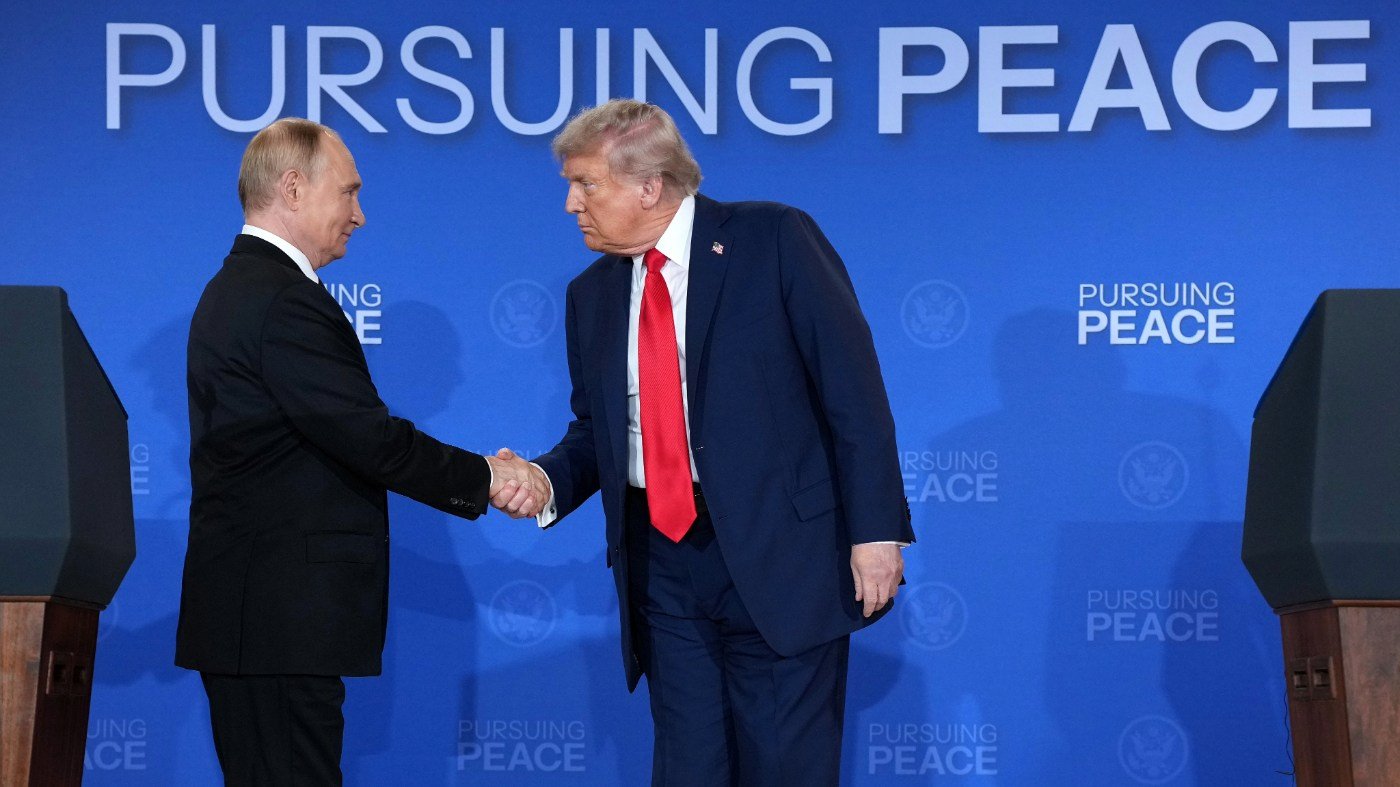
Putin's conditional consent emerged during talks in St. Petersburg with Steve Witkoff, U.S. President Donald Trump's special envoy, who had earlier voiced optimism about a breakthrough after meeting Ukrainian President Volodymyr Zelenskyy in Norway. However, no timeline has been set for the proposed three-way summit, and previous rounds of technical discussions in the UAE and Switzerland yielded little beyond prisoner exchanges.

Zelenskyy sees no shift in Moscow's posture
The aerial assault struck 12 Ukrainian regions overnight, with the northeastern city of Lozova bearing the brunt—two women, aged 50 and 60, were killed in a market strike, and dozens more were wounded. In Kharkiv, another fatality was reported. Kyiv endured three waves of 21 ballistic missiles, damaging residential buildings, energy infrastructure, a railway station, the subway system, and commercial areas. One civilian died in the capital.
According to Serhii Beskrestnov, an adviser to Zelenskyy, one missile carrying cluster munitions targeted downtown Kyiv, a tactic that disperses dozens of bomblets over a wide area. The strikes are part of a broader Russian campaign to cripple Ukraine's power grid, a strategy Kyiv officials describe as "weaponizing winter." Zelenskyy asserted that the bombardment proves Moscow's attitude remains unchanged, underscoring the fragility of any peace overtures.
Diplomatic contradictions and domestic criticism
Zelenskyy has repeatedly appealed to Washington for additional Patriot interceptor missiles and tougher sanctions on Russia. Yet the Trump administration has taken a different tack, agreeing to import Russian diesel and easing sanctions, while U.S. officials concede that Patriot ammunition is in short supply. Western analysts suggest Putin aims to sideline European allies and negotiate directly with Washington, a notion reinforced by the administration's dismissive stance toward Europe.
Kremlin spokesman Dmitry Peskov on Thursday confirmed that Putin had received an invitation to attend the G20 summit in Miami in December but had not yet decided whether to participate. Peskov praised the U.S. for its efforts toward a settlement, while accusing European capitals of fueling escalation.
Witkoff's recent meeting drew sharp rebukes in Ukraine and the U.S. after he lauded Putin as a "humanitarian" for releasing Stephen Hubbard, a retired American teacher imprisoned on mercenary charges. Ukrainian Foreign Minister Andrii Sybiha retorted on social media that the "brutal" strikes reveal the true nature of Russian "humanism," adding that "appeasement, servility, and flattery will not stop this war. Only strength will."
Massive drone offensive and battlefield exchanges
Russia's Defense Ministry claimed its air defenses destroyed 808 Ukrainian drones, with Moscow Mayor Sergei Sobyanin reporting 630 aimed at the capital, causing temporary flight restrictions at local airports. In retaliation, Russian forces struck Ukrainian drone and cruise missile production facilities, as well as transport infrastructure in Kyiv and the port of Odesa.
Amid the violence, a prisoner exchange saw Ukraine receive the bodies of 252 soldiers, while Russia received 25 of its own, according to Ukrainian and Russian officials. The exchanges, though modest, offer a rare point of cooperation.
As the five-year anniversary of Russia's full-scale invasion approaches, the conflict shows no sign of de-escalation. The latest strikes underscore the chasm between diplomatic rhetoric and battlefield reality, leaving Ukrainians braced for a harsh winter and an uncertain path to peace.