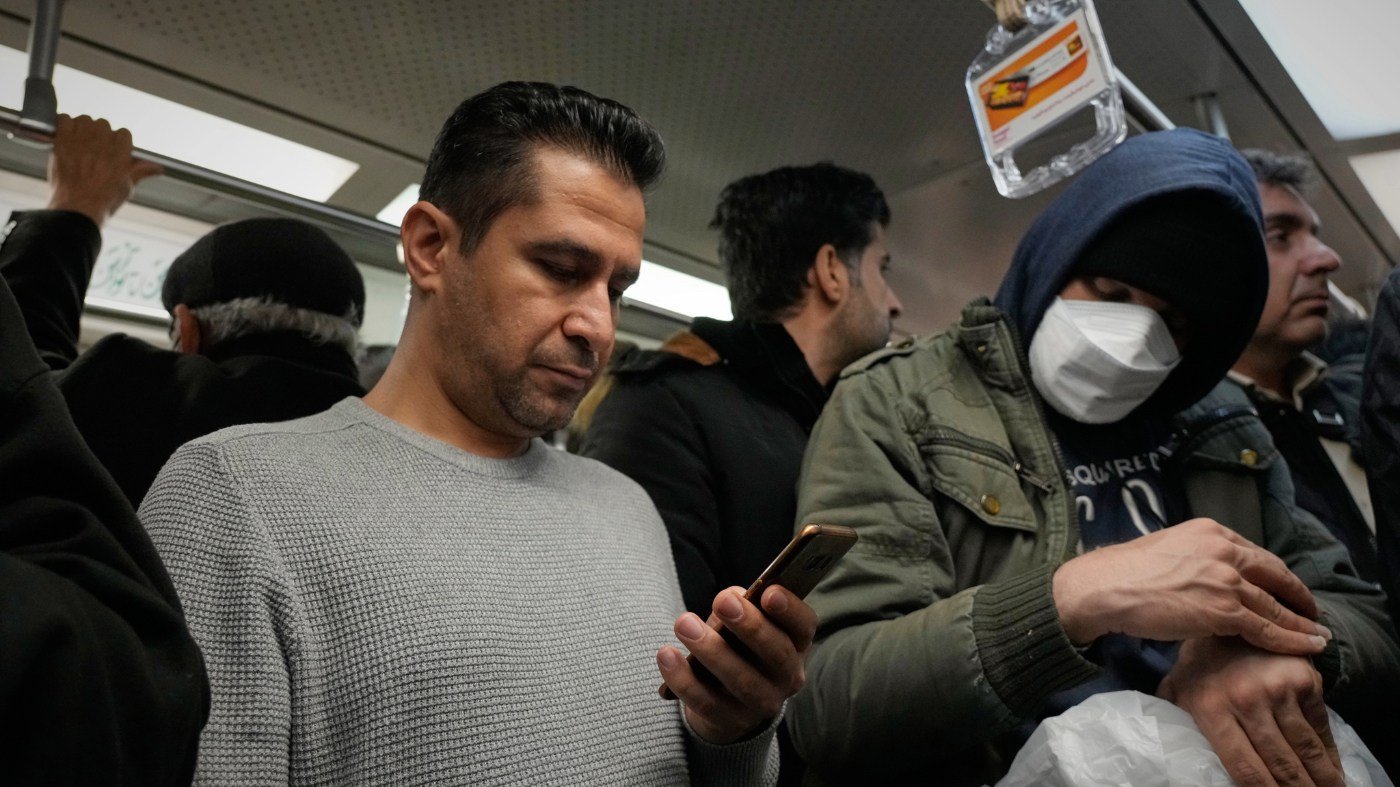
For nearly three months, Iran's citizens have been largely severed from the global internet. The nationwide blackout, initiated in February amid U.S. and Israeli military strikes, marked the longest such shutdown ever recorded. Iranians were left unable to contact relatives, access safety information, or seek critical medical advice while bombs fell. This extreme measure underscores Iran's slide into one of the world's most restrictive internet environments, according to the latest Freedom on the Net index released today by Freedom House.
The blackout is part of a broader strategy by Tehran and Moscow to restructure their digital infrastructure, aiming to replicate China's Great Firewall. Both governments are pushing citizens toward domestic, state-aligned platforms that facilitate surveillance and censorship, effectively cutting off access to global services. This move is designed to consolidate political control by limiting information flow and suppressing dissent.

Russia has escalated restrictions on popular messaging apps like WhatsApp and Telegram, slowing speeds to near-unusable levels. Authorities are promoting Max, a messaging platform developed by the government-friendly VKontakte (VK), which is laden with surveillance features. Similarly, Iran has criminalized the use of unauthorized VPNs, pushing citizens toward state-licensed providers that enable easy monitoring. During the conflict, prices for such services skyrocketed, with one user reporting paying around $20 per gigabyte—roughly a fifth of the average monthly wage.
Both nations have also announced whitelists of 'socially significant services' that must remain accessible during shutdowns, featuring state media and platforms like VK and Max. This effectively forces internet providers to prioritize government-approved content, further entrenching state control.
The human cost of this digital isolation is severe. Families are cut off from loved ones abroad, businesses struggle with disrupted commerce, and ordinary citizens face mass censorship and surveillance. For leaders in Iran and Russia, the promise of long-term political power outweighs the suffering inflicted on their people.
Democracies are urged to counter these efforts by investing in circumvention technologies. Satellite internet services, direct-to-cell capabilities, and decentralized mesh networks offer potential lifelines. The Open Technology Fund, a U.S. government-supported nonprofit, has been a key player in developing open-source anti-censorship tools. Expanding its funding is critical to supporting internet freedom in closed societies.
As Russia's decline demands a firm Western stance, the international community must recognize that digital connectivity is a fundamental tool for challenging authoritarian rule. Ensuring that Iranians and Russians can access the global internet is essential to breaking the grip of repressive regimes.
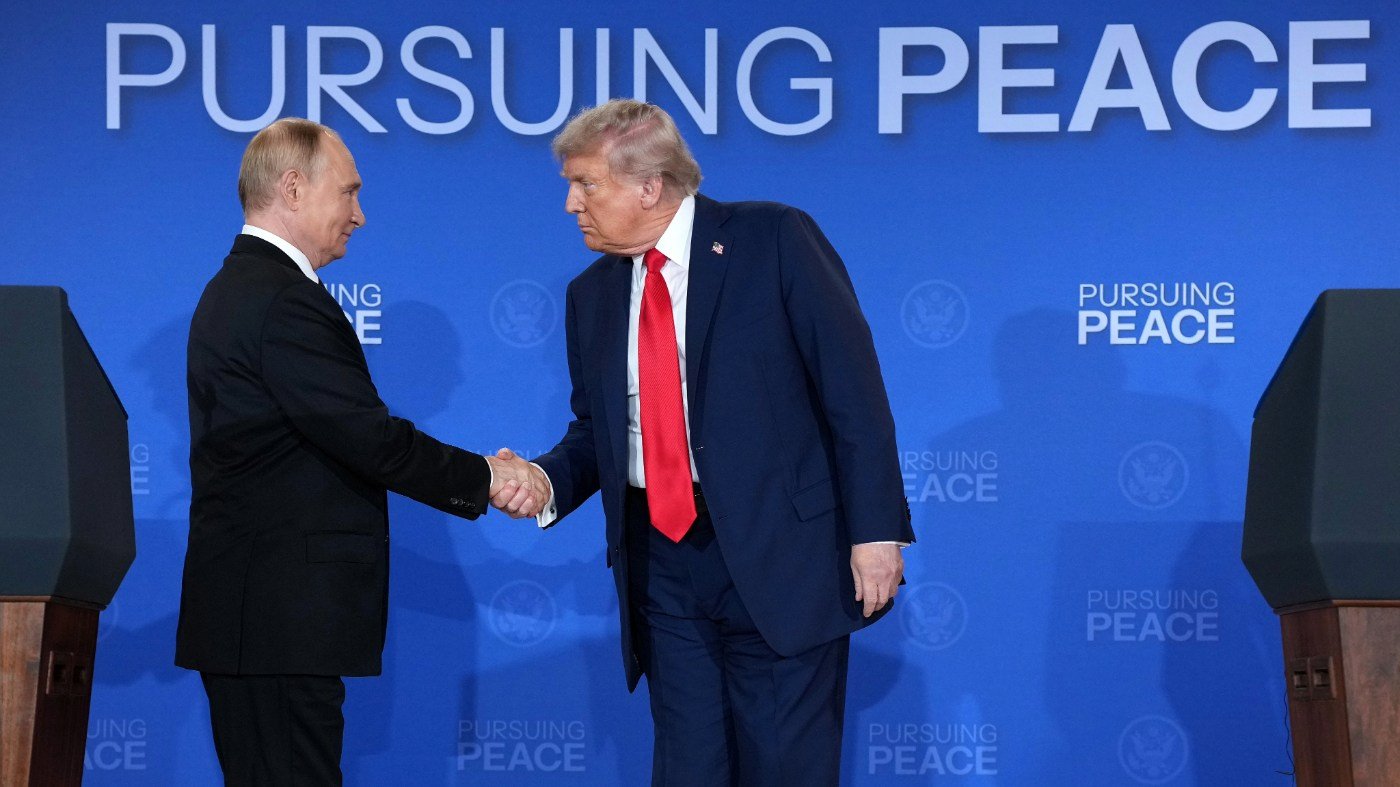
The recent release of American teacher Stephen Hubbard from Russian custody highlights the complex dynamics of international relations, but the broader issue of digital repression remains. As sanctions waivers are debated, the focus must remain on supporting civil society and internet freedom.
Kian Vesteinsson, deputy director for research at Freedom House and author of the report, emphasizes that the world's democracies must act decisively. 'The repressive leaders of Iran and Russia seek to carve their people off from the global internet to maintain their hold on power,' he said. 'Ensuring the people can remain connected is essential to breaking that grasp.'