A fresh survey from the health policy research group KFF reveals that while a solid majority of Americans still trust the safety of long-established childhood immunizations, opinions about the COVID-19 vaccine remain sharply split along partisan lines.
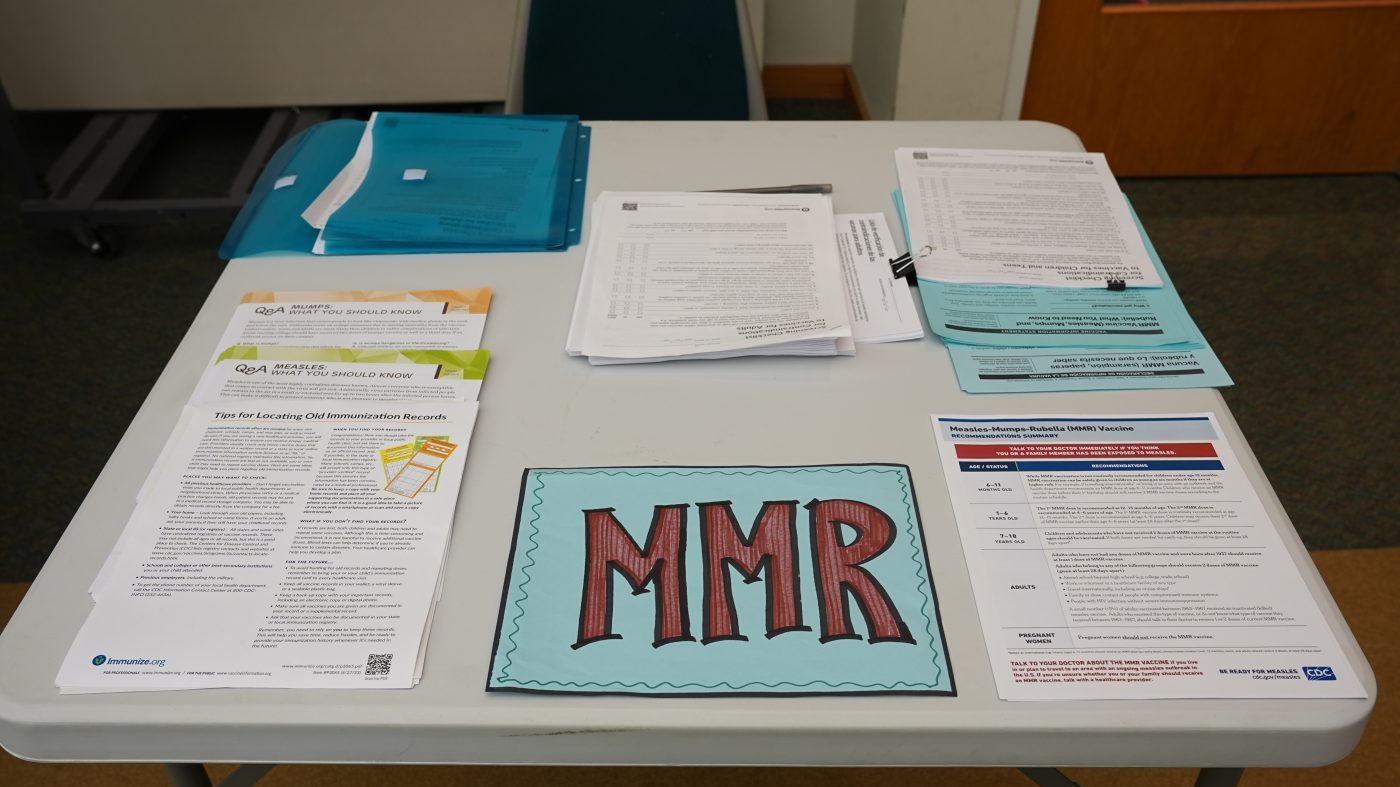
According to the poll, more than eight in ten adults said they are “very” or “somewhat” confident that the polio vaccine and the measles-mumps-rubella (MMR) vaccine are safe for children. That confidence, however, is not uniform across the political spectrum: 79% of Republicans expressed confidence in the polio shot, compared with 87% of Democrats. For the MMR vaccine, the gap widens to 77% versus 91%.
Even among those who identify with the “Make America Healthy Again” (MAHA) movement—often linked to vaccine skepticism—most said they believe the MMR and polio vaccines are safe. But the same cannot be said for other shots.
When asked about the flu vaccine, just 56% of Republicans said they were confident in its safety, versus 83% of Democrats. The divide becomes even more pronounced for the COVID-19 vaccine: only 21% of Republicans said they consider it safe for children, while 77% of Democrats did. Among MAHA supporters, that figure drops to 28%.
The hepatitis B vaccine also drew divergent views: 88% of Democrats said it is safe, compared with 59% of Republicans. This comes as the Trump administration pushes to remove the universal recommendation that newborns receive the hepatitis B shot—a move that has been temporarily blocked by a federal court.
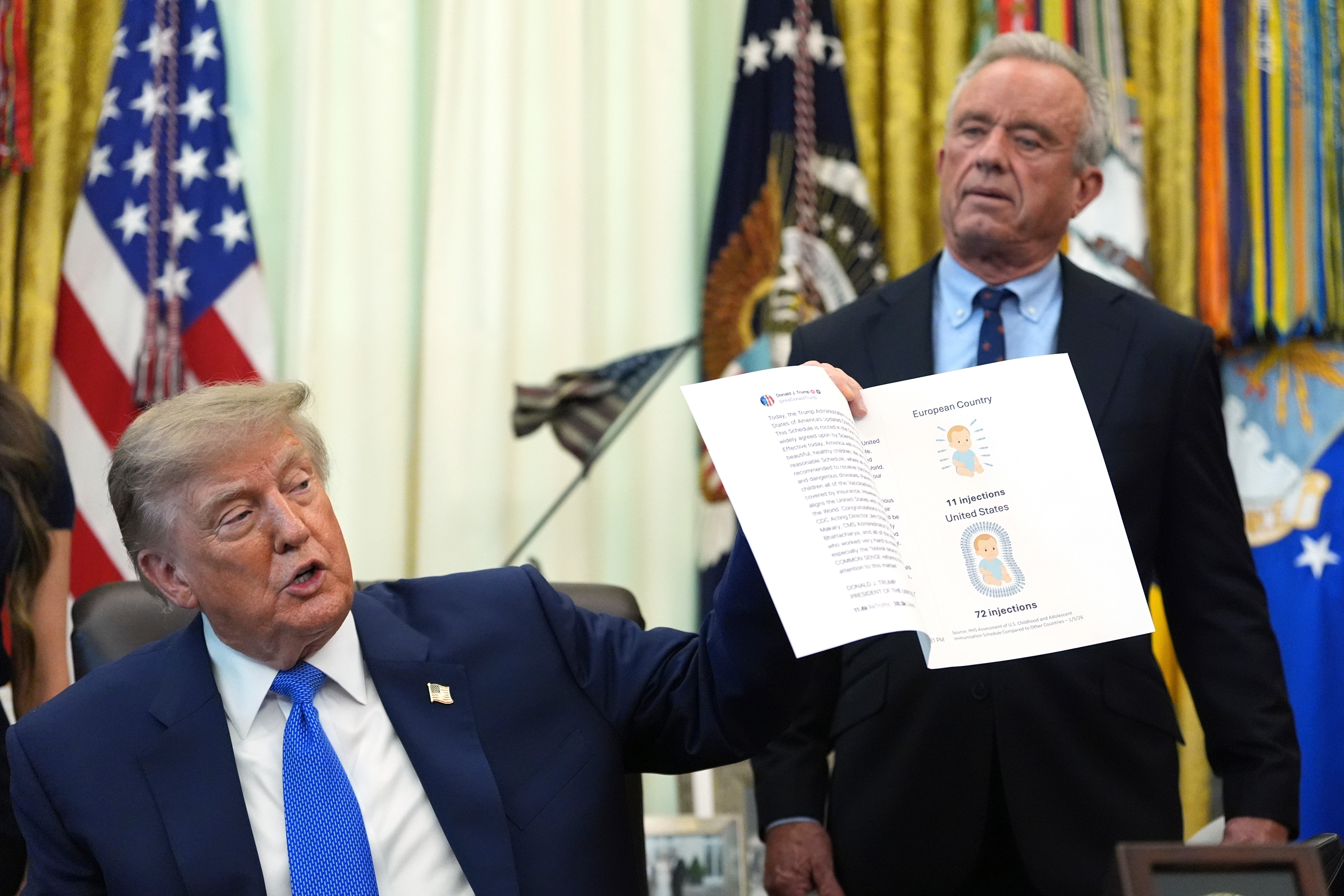
President Trump’s August executive order aimed to reduce the number of diseases covered by routine childhood vaccination from 17 to 11, and to require that the MMR vaccine be given as separate shots rather than in combination. Trump has falsely claimed that the combined MMR vaccine is “lethal” and that spacing out vaccines would lower autism rates—claims that have no scientific basis.
Despite the lack of evidence, the KFF poll found that roughly half of parents mistakenly believe that children are healthier when vaccines are spaced out and not given together in a single visit.
The survey was conducted online and by phone from September 16 to 21, using a nationally representative sample of 1,328 adults. The margin of error is 3 percentage points overall, but higher for some subgroups.
This partisan gap in vaccine confidence mirrors broader political divides on health policy, as seen in recent polling on tech CEOs’ political leanings and Americans’ views on the direction of the country.