The Trump administration on Friday unveiled a plan to accelerate oil and gas drilling approvals in Alaska's National Petroleum Reserve, a move that follows a formal request from an industry trade group. The Bureau of Land Management (BLM) said its proposal would consolidate multiple review processes into a single streamlined procedure, with an eye toward cutting approval times to as little as 60 days for certain permits and rights-of-way.
Background on the Reserve
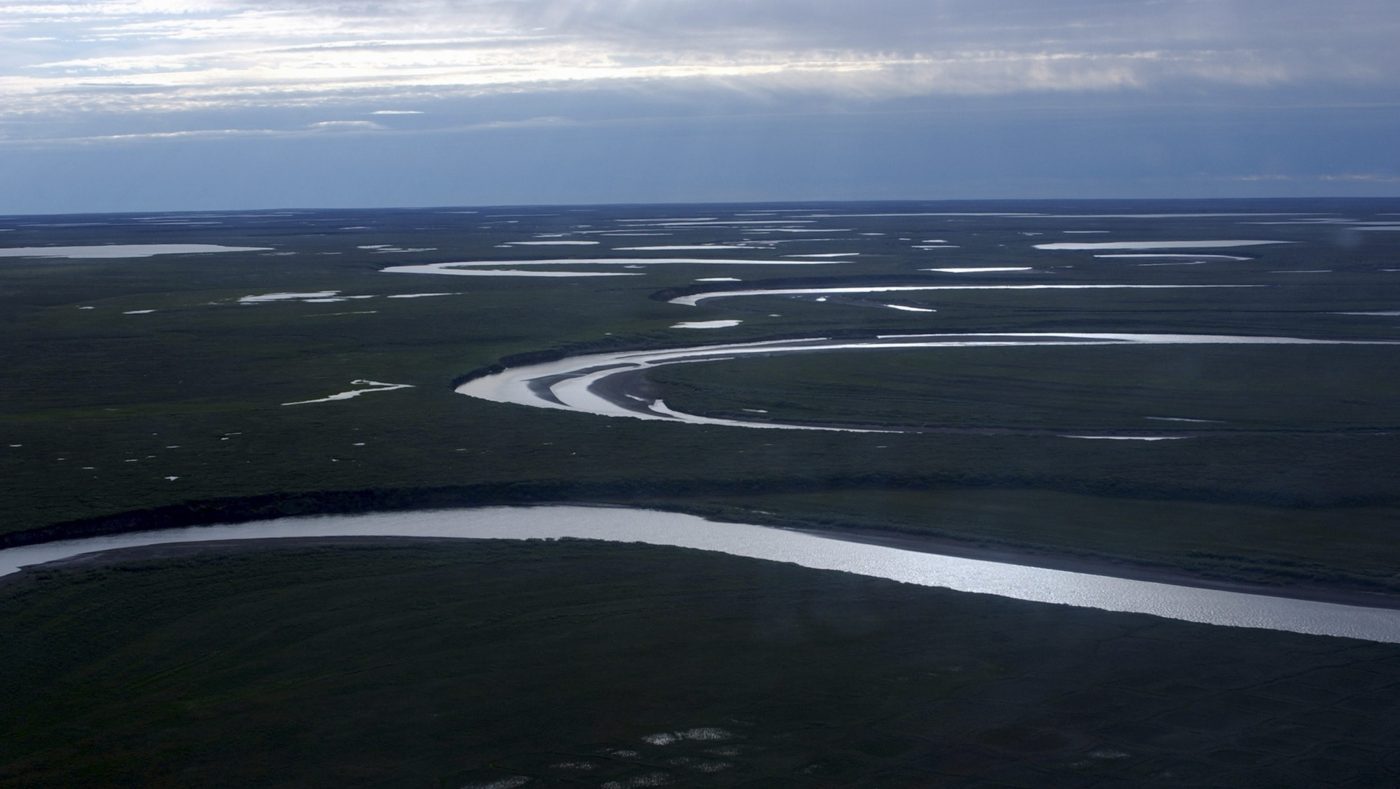
The reserve, established in 1923 by President Warren Harding as an emergency fuel supply for the U.S. Navy, spans roughly 23 million acres on Alaska's North Slope. While drilling has been permitted there for decades, environmental advocates have repeatedly raised concerns about the impact on caribou, migratory birds, and other wildlife that depend on the region's delicate Arctic ecosystem.
BLM officials framed the proposal as a necessary step to reduce bureaucratic delays and boost domestic energy production. In a statement, BLM Director Steve Pearce said, "Responsible development shouldn't be held back by redundant paperwork." He added that the initiative is "about working smarter, honoring the Trump administration's commitment to energy security, and ensuring Alaskans directly benefit from the resources in their backyard."
Industry Push for Efficiency
The move comes in response to a petition from the Alaska Oil and Gas Association, a trade group representing companies operating in the state. The petition called for a "uniform and efficient process to approve production projects similar to those that have already been approved" within the reserve, and it explicitly proposed the 60-day timeline for decisions.
Supporters argue that faster permitting will unlock billions of barrels of oil, create jobs, and reduce reliance on foreign imports. The proposal is part of a broader push by the administration to expand fossil fuel development on federal lands, a policy that has drawn sharp criticism from Democrats and environmentalists. The BLM's action also aligns with recent moves to roll back protections on other public lands, such as the legal battle over Utah's monument cuts.
Environmental and Legal Challenges Ahead
Critics, however, warn that fast-tracking approvals could undermine environmental safeguards and lead to irreversible damage. "This is a giveaway to the oil industry at the expense of Alaska's wildlife and the global climate," said a spokesperson for the Alaska Wilderness League. Legal challenges are widely expected, with conservation groups likely to argue that the BLM's expedited process violates federal environmental laws, including the National Environmental Policy Act.
The proposal also intersects with broader energy policy debates, including the administration's stance on EU digital rules and its push for energy dominance. The BLM will accept public comments on the proposal for 30 days before finalizing it, a process that could still face delays if litigation ensues.
What's Next
If finalized, the rule would apply to all future drilling applications in the reserve, potentially reshaping the pace of oil development in one of America's most remote and environmentally sensitive regions. The administration's aggressive timeline suggests it hopes to have the rule in place before the next election cycle, but opponents are already mobilizing to block it in court.
For now, the proposal marks another chapter in the long-running fight over energy versus conservation in Alaska, a battle that has intensified under the current administration. As the public comment period opens, both sides are gearing up for what promises to be a contentious review.