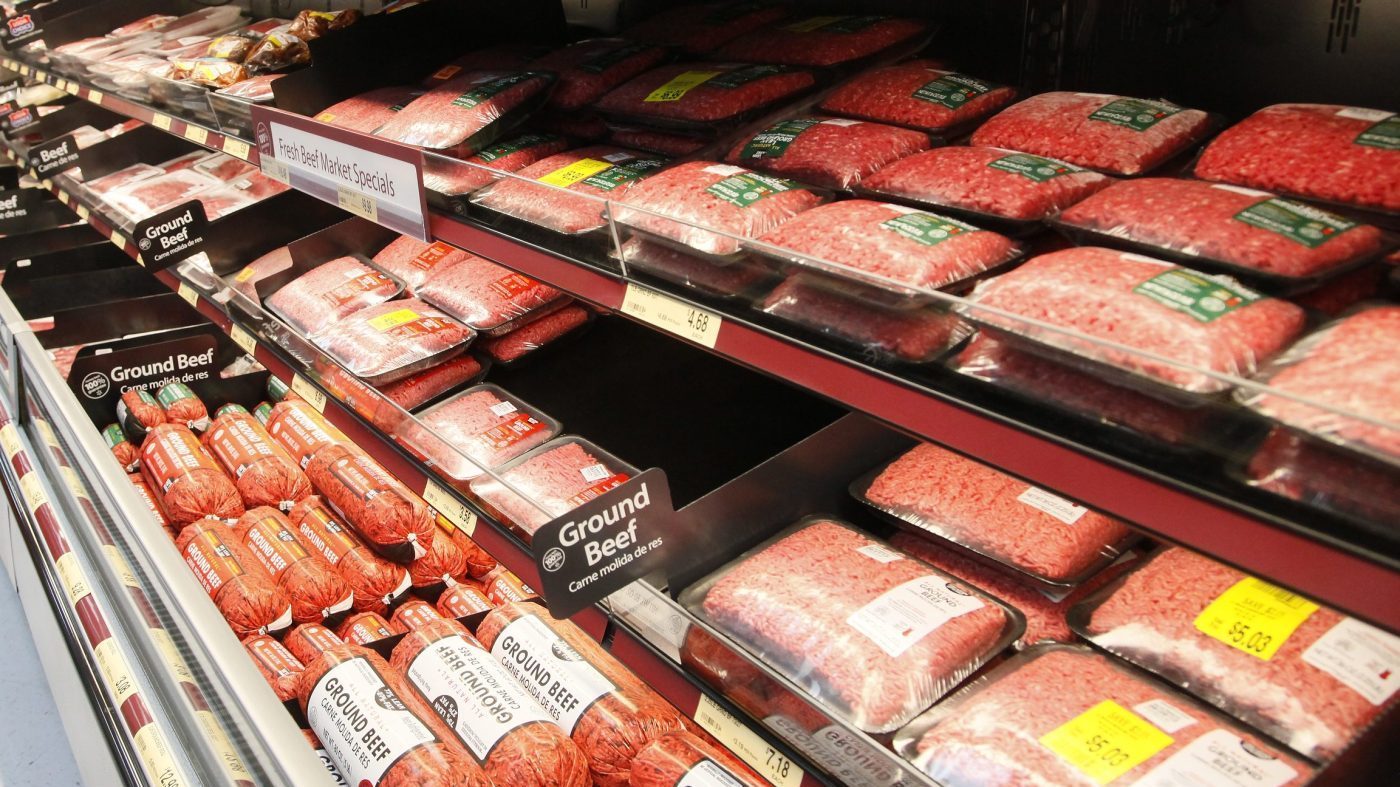
The Justice Department is widening its antitrust scrutiny of the beef industry, this time targeting the retail side. The Antitrust Division has sent letters to eight of the nation's largest grocery chains, demanding detailed records on how they price beef, according to an announcement posted on the department's X account earlier this week.
The letters, dated in July, seek information on retail sales, pricing strategies, costs, margins, and market analyses related to beef products, as reported by Newsweek. The targeted companies include Kroger, Publix, Walmart, Albertsons, Aldi, Ahold Delhaize USA, Costco, and Amazon.

“Beef prices are a critical concern to Americans, and a priority for this Justice Department,” the department wrote.
This move expands the DOJ's ongoing investigation into meatpackers, which began after President Trump accused them of manipulating beef prices. The probe has already led to significant legal action; Tyson Foods, for instance, agreed to pay $82.5 million in a class-action settlement earlier this year, after grocers alleged the company restricted supply to artificially inflate prices.
The administration has also taken direct steps to address beef costs. In August, Trump announced a 90-day suspension of tariffs on up to 300,000 metric tons of ground beef imports, with the condition that the imported beef be sold at 25 percent below current market prices. “This deal will reduce prices for Americans while giving space for our Great American Beef Herd to grow again,” he wrote on Truth Social at the time.
But the import plan has drawn sharp criticism from American ranchers and some Republican lawmakers. Senator Thom Tillis (R-N.C.) called it a mistake, arguing that temporary subsidies won't solve the underlying supply problem. “If you think that providing subsidized beef for some period of time is going to make farmers happy and prices go down on a systemic basis, you're wrong,” Tillis said. “It doesn't happen.”
The new retail-focused inquiry suggests the DOJ is looking beyond packers to the entire supply chain, including how grocers set their margins. This could signal broader concerns about competition in the food retail sector, echoing recent political pressure on prices ahead of the midterms.
Publix and Walmart did not immediately respond to requests for comment. The DOJ's letters are part of a larger effort to ensure that any savings from lower wholesale costs are passed on to consumers, a theme that has resonated with voters and politicians alike.
As the investigation progresses, the industry will be watching closely. The outcome could reshape how beef is priced at the grocery store, and whether the administration's push for lower prices yields lasting results or just temporary relief.