President Trump took to Truth Social on Monday to assure Americans that fuel costs will collapse once the conflict with Iran concludes, claiming that a victory would send oil prices "precipitously" lower. "Oil prices will drop precipitously, like everything else is dropping (but more!), when we WIN the war with Iran," he wrote. "Three Dollars a gallon, but ultimately, below Two Dollars a gallon. It will all happen quickly, and Iran will never have a Nuclear Weapon."
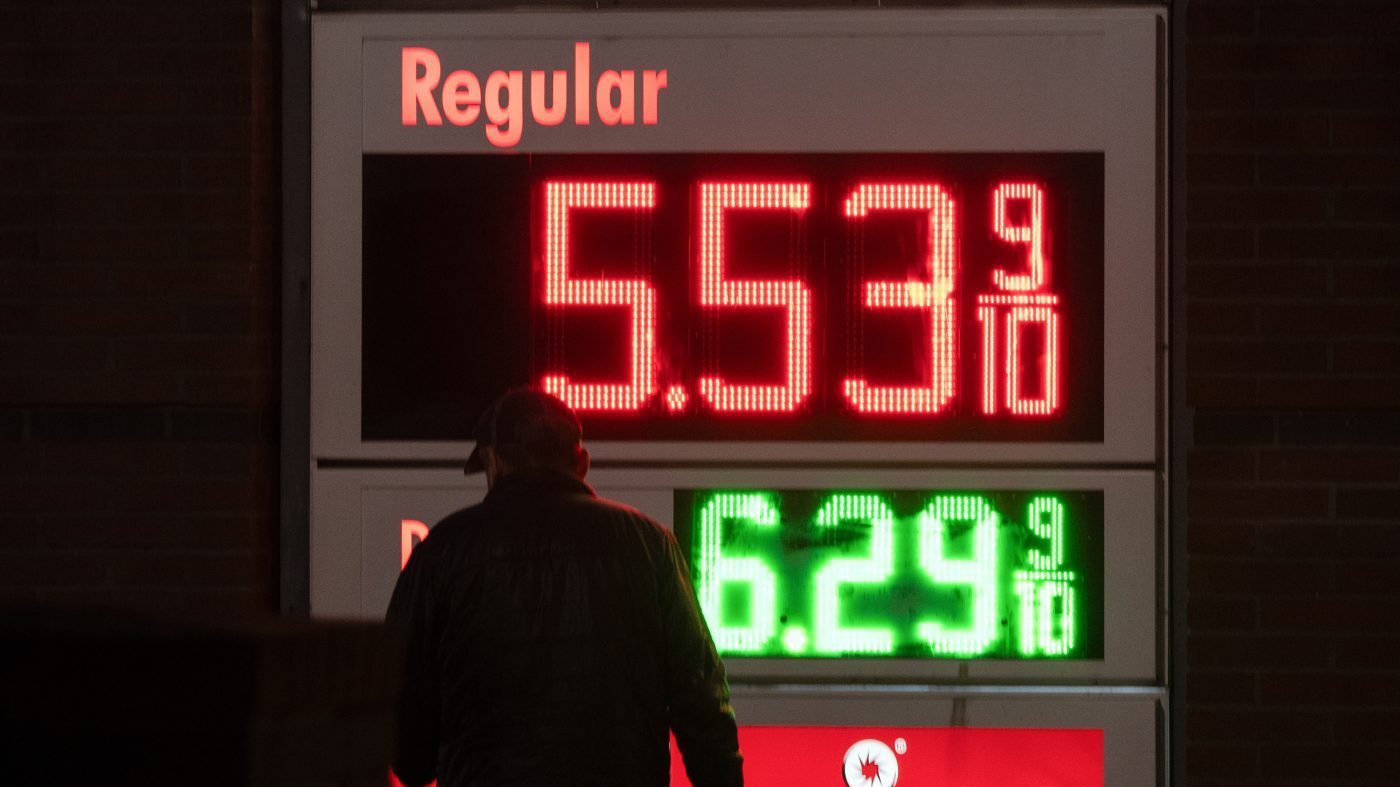
The president's optimism comes as the nation endures some of the highest gasoline prices on record. According to AAA, the national average for a gallon of regular hit $4.15 on Labor Day, surpassing the previous record of $3.82 set in 2012. Diesel prices also reached an all-time high on Friday at $5.85 per gallon, adding to the financial strain on households and businesses.
The root of the crisis lies in Tehran's blockade of the Strait of Hormuz, a critical chokepoint through which roughly one-fifth of the world's oil supply flows. Since the conflict erupted in February, Iran's closure of the strait has kept energy markets volatile and prices elevated for more than six months. Over the weekend, Iranian state media announced that a new "restricted zone" would be declared in the coming days, with commercial vessels entering the area without Tehran's cooperation facing sanctions.
Despite the president's bold predictions, his own administration has been cautious about forecasting fuel prices. Energy Secretary Chris Wright told CNN's Dana Bash on Sunday that he did not "want to have an opinion" on whether gas prices would rise further, though he conceded that the odds favored a decline. Wright also dampened hopes for a quick diplomatic resolution, suggesting that a nuclear deal with Iran might have to wait for a future administration. He made similar remarks to ABC News's Martha Raddatz, noting that an agreement may "await a next administration."
The collapse of an interim deal reached in June, which would have reopened the strait and eased prices, has further dimmed prospects for near-term relief. Both sides had agreed to the arrangement, but renewed strikes quickly unraveled it.
Trump has consistently downplayed the economic pain, calling high energy costs a "small price to pay" for ending Iran's nuclear ambitions, a central goal of the U.S. military campaign. He has also sought to shield Republican candidates from political fallout ahead of the November midterms, insisting last week that the GOP "respects the fact that we're not allowing Iran to have a nuclear weapon." Yet the war's impact on inflation and everyday expenses has soured public sentiment, and the president acknowledged in May that the financial situations of Americans do not drive his decisions on a deal.
Gas prices have occasionally dipped on diplomatic news, but recent strike exchanges have overshadowed any momentum toward talks. With the midterms approaching, the administration's handling of the conflict and its economic consequences remain a central political vulnerability.