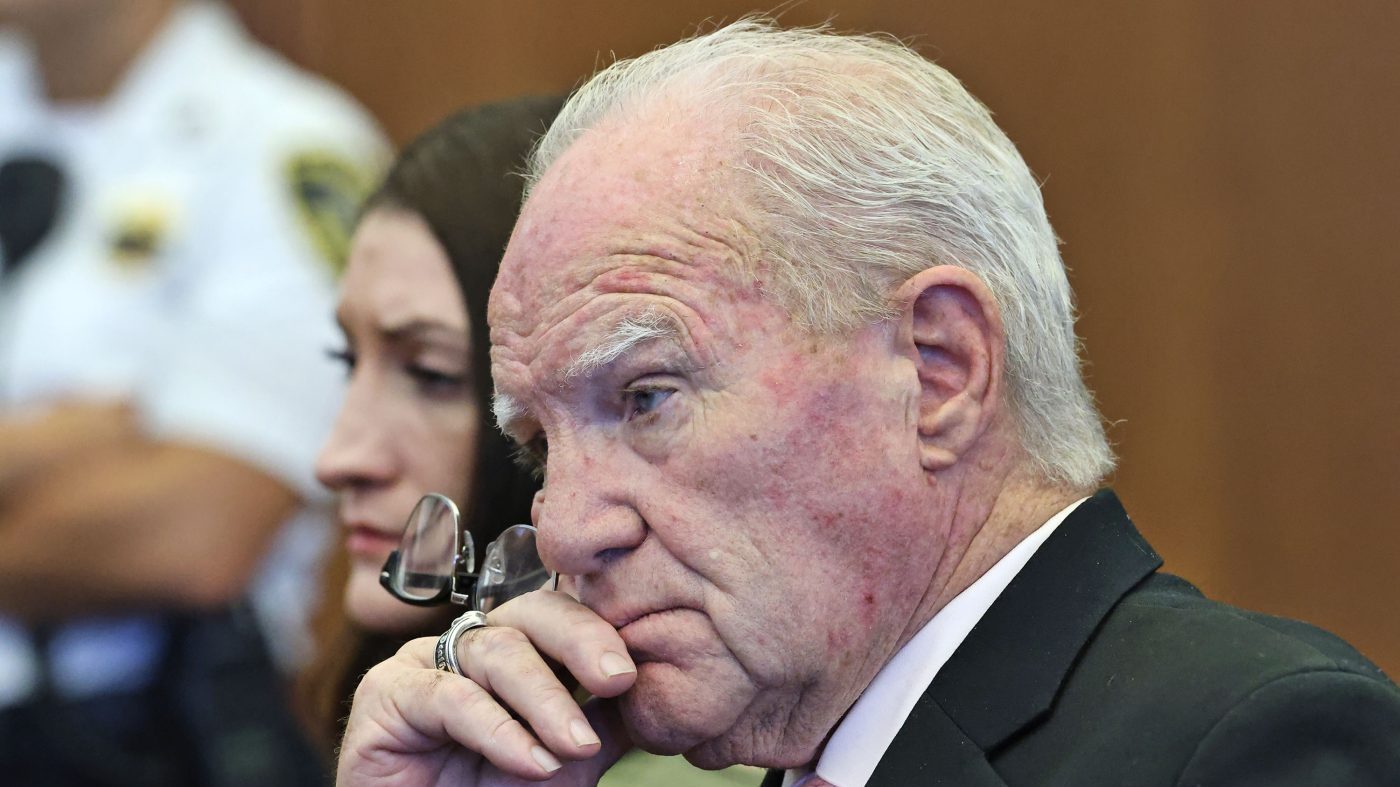
In the aftermath of a mistrial, the legal team for Lindsay Clancy is turning to the White House. Attorney Kevin Reddington said in a recent interview that he hopes President Trump will consider a pardon for his client, even as the case remains in state courts.
Last week, a judge declared a mistrial after jurors could not reach a unanimous verdict. Clancy faces murder charges in the deaths of her three young children. Prosecutors have portrayed the killings as premeditated, while the defense argues that Clancy suffered from postpartum psychosis and should not be held criminally responsible.
Speaking on Good Morning America, Reddington suggested that a negotiated resolution between prosecutors and the defense could be possible, and he explicitly raised the prospect of presidential intervention. However, legal experts note that a presidential pardon would not apply here, as Trump's clemency authority extends only to federal offenses. Clancy is being prosecuted under Massachusetts law.
Following the mistrial, the district attorney's office has not announced its next move. Options include retrying the case, entering into a plea agreement, or dropping the charges entirely. Reddington has indicated that the jury appeared to be leaning toward a not-guilty-by-reason-of-insanity verdict, with a single holdout preventing a final decision.
The case has drawn significant public attention, and Trump briefly commented on it last week, calling the deaths "a shame" and "a horrible tragedy." His remarks came amid a broader focus on criminal justice issues, including his recent emergency rulings to fast-track his agenda.
Legal analysts say that even if a pardon were possible, it would be highly unusual for a president to intervene in a state case. The request also comes as the White House is navigating other contentious matters, such as escalating trade tensions with Canada.
Reddington's appeal has sparked debate about the limits of executive clemency and the appropriate role of presidential power in state criminal proceedings. Some commentators have drawn parallels to other high-profile cases where defendants sought federal intervention, though legal precedent remains clear on the jurisdictional boundary.
For now, the Clancy case remains in limbo. The defense is expected to push for a favorable resolution, while prosecutors weigh the challenges of a second trial. The families of the victims have not publicly commented on the mistrial or the pardon request.
As the legal process continues, the intersection of mental health, criminal responsibility, and political intervention is likely to remain a focal point. The case has also prompted discussions about postpartum psychosis and its treatment, with advocates calling for greater awareness and support.