The Trump administration, like its predecessors, is firefighting across the globe—from the Middle East to Ukraine to East Asia—while its adversaries coordinate to undermine the Western-led international order that has ensured relative peace for 75 years.
Recent reports have linked U.S. involvement in the Ukraine and Iran conflicts to a depletion of American weapons stockpiles, raising concerns about the ability to deter challenges from Russia, China, and North Korea. Critics argue that diverting arms to Kyiv or to counter Iran's nuclear threat undermines America's own defense posture.
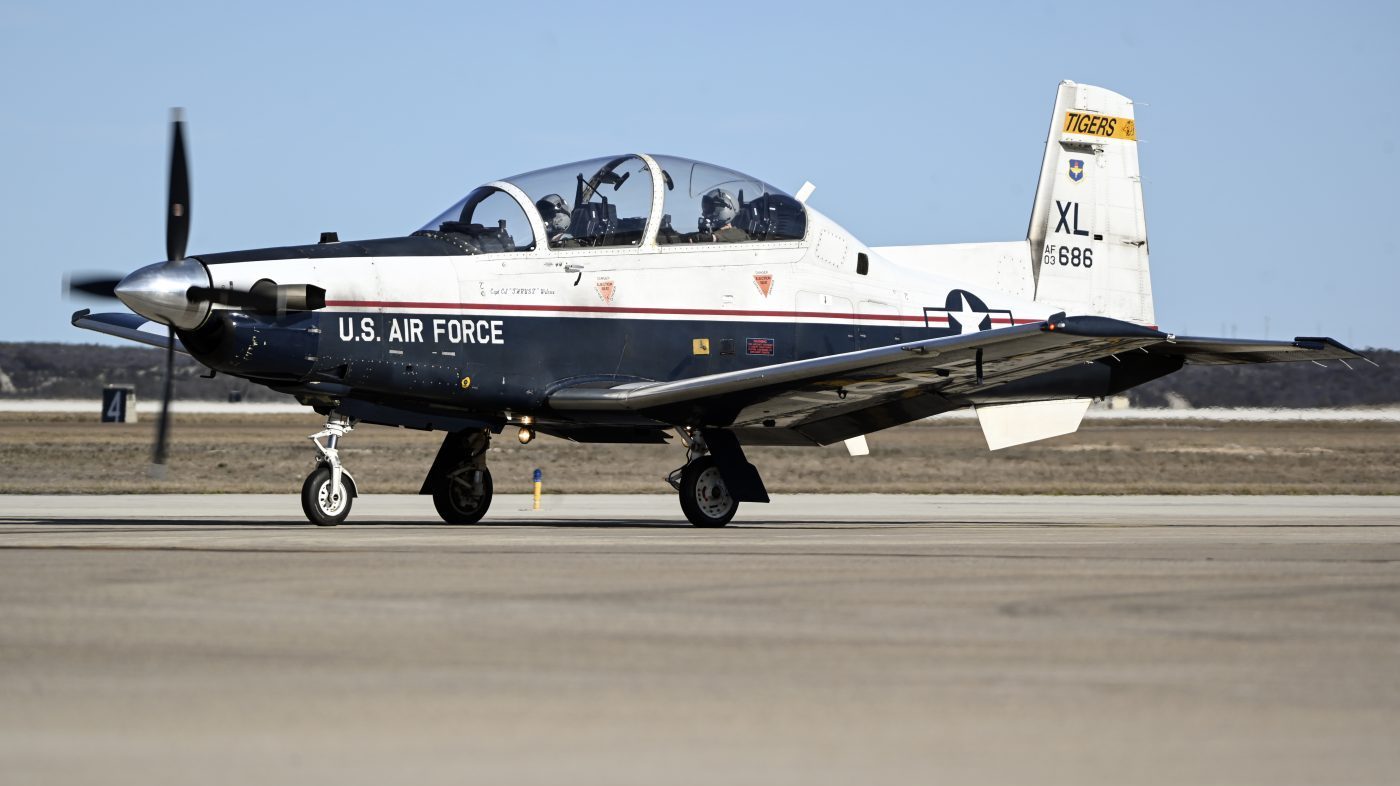
An official report to Secretary of Defense Pete Hegseth confirms that the "divide, distract, and conquer" strategy of U.S. enemies is succeeding. Washington's growing reluctance to take on new security commitments—bordering on isolationism—gives adversaries free rein to pursue aggression elsewhere. Extended deployments are also straining Navy personnel and equipment, as seen with the USS Abraham Lincoln carrier group returning to Thailand after a 10-month tour, disrupting maintenance schedules.
This drain on munitions, manpower, and strategic attention validates the collaboration among the "new evil empire"—China, Russia, and North Korea—who are rushing to bolster Iran against the U.S., Israel, and the West. Without a change in course, Tehran is unlikely to abandon its nuclear ambitions, domestic repression, or support for terrorism.
The current trajectory is unsustainable. America's strategic credibility, not just with Iran but globally, is eroding. If this continues, the predictable outcome is a major and lasting failure of U.S. policy, allowing Iran and its authoritarian allies to further undermine the international order.
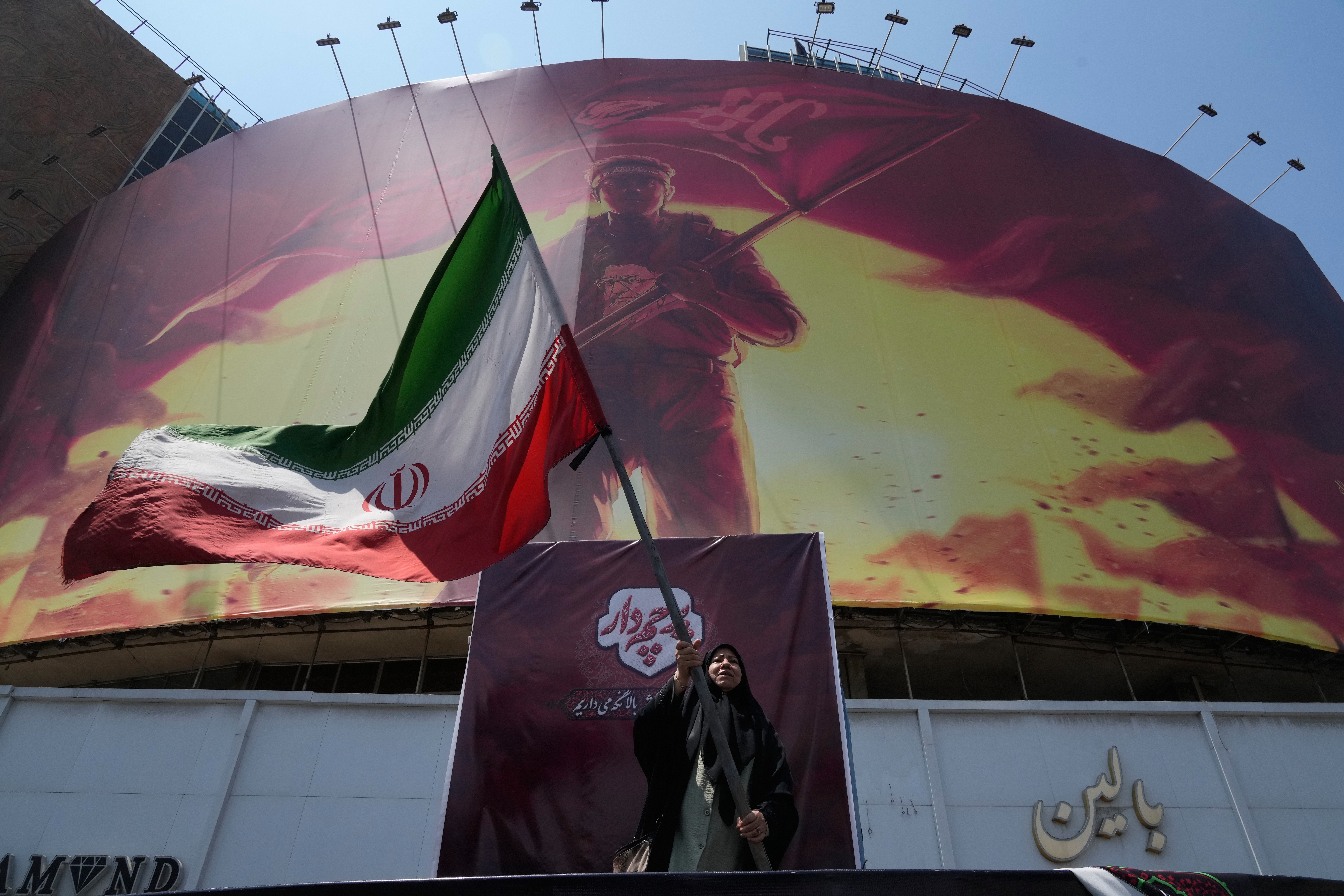
The only long-term solution to the 47-year-old Iran problem is regime change—the path Trump initially urged when he called on Iranians to rise up. But that call was ill-timed and unsupported by military and information operations, leading to a catastrophic crackdown that killed tens of thousands and left the regime more vengeful.
Trump's renewed bombing of Iran and his repeated appeal for Iranians to "rise up" raise questions about U.S. commitment. Would Washington, perhaps with Israel, systematically eliminate the IRGC leadership? Would it cut off financial support from China? Would it arm the Iranian population or establish a protected liberation zone? These operations, combined with a strategic communications campaign—reviving agencies like Voice of America and Radio Free Europe that helped win the Cold War—could finally bring the regime down.
Success in Iran could earn Trump the Nobel Prize he covets and eclipse his vanity projects. But without a coherent strategy and the will to follow through, the window for regime change may close, leaving the U.S. to face an emboldened Iran and a crumbling international order.