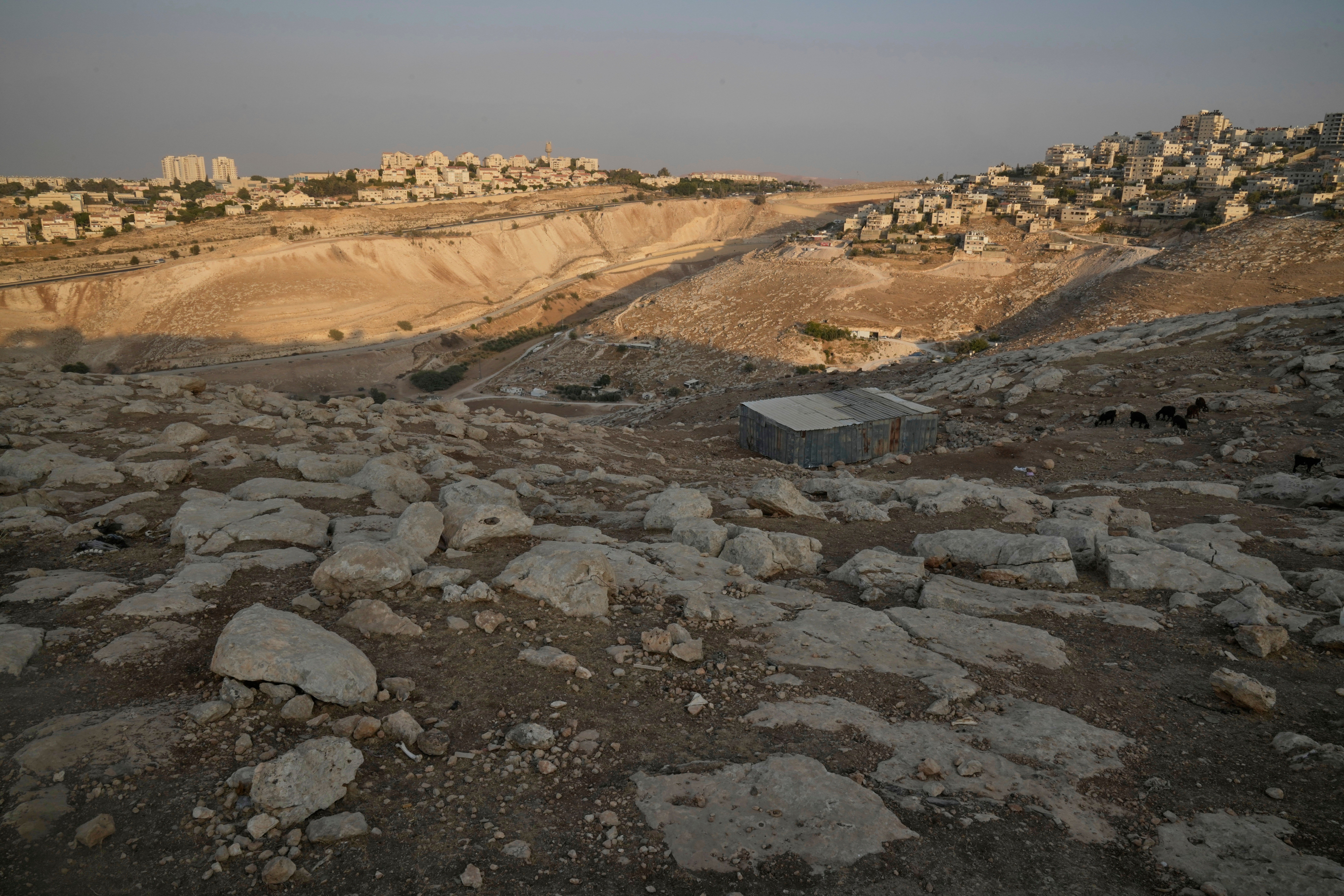
In a coordinated diplomatic move, Canada, France, and the United Kingdom announced on Tuesday a joint ban on imports originating from Israeli settlements in the occupied West Bank. The leaders framed the measure as a decisive step to salvage the two-state solution, which they argue is under immediate threat from Israel's expansionist policies.
Canadian Prime Minister Mark Carney, UK Prime Minister Andy Burnham, and French President Emmanuel Macron issued a joint statement declaring that the time for passive opposition had passed. "One year ago, we recognized the State of Palestine," they wrote. "The time has come to take further action to uphold our commitment to protect the two-state solution, our interests and to stand up for our values, before it is too late."
The announcement follows Israeli Prime Minister Benjamin Netanyahu's decision to advance a controversial housing project in the E1 area, a strategically sensitive zone east of Jerusalem. The planned development, which includes seven residential compounds totaling 1,234 housing units, has drawn international condemnation for years. Israel's Construction and Housing Ministry has set an October 19 deadline for contractors to bid on the project.
In their statement, the three leaders cited "systematic settlement expansion in the West Bank, including the Government of Israel's latest decision to progress the E1 settlement, as well as the dramatic increase in settler violence, pose a direct and urgent threat to that vision for peace." They nonetheless reaffirmed their commitment to maintaining a robust partnership with Israel, emphasizing their "unwavering commitment to Israel's security."
The move has also drawn attention in Washington, where a group of Democratic senators had earlier urged Netanyahu to reverse the E1 plan. Secretary of State Marco Rubio, responding to the new ban, made clear the United States would not join the effort. "We were made aware that they were going to make this decision," Rubio told reporters. "We heard their argument as to why, but look, we share the goal of stability."
In London, Foreign Secretary Ed Miliband outlined additional punitive measures in a House of Commons speech, including sanctions on individuals and companies supporting settlement construction, as well as restrictions on arms licenses and other exports that could facilitate the expansion. "Our argument is not with the people of Israel, with whom the U.K. has unshakable bonds," Miliband said. "Our argument is with the conduct of its government."
Israel's response was swift and sharp. Foreign Minister Gideon Sa'ar announced a ban on 11 British lawmakers and a lawyer from entering Israel, accusing the UK of spreading "outrageous lies." The list includes members of three UK political parties and attorney Fahad Ansari, who has represented Hamas's political arm in British courts. Ansari called the ban a "badge of honour."
Israel also moved to close Britain's consulate in East Jerusalem, remove British representatives from the International Gaza Support Center, and end UK participation in a U.S.-led mission to Gaza. Sa'ar warned that "whoever acts against Israel, Israel will act against them, and they will lose their influence and relevance in the region."
The escalating dispute comes amid broader tensions in the region, including Canada's trade tensions with the United States and a shifting geopolitical landscape. The settlement ban marks a rare instance of key Western allies taking direct economic action against Israel, signaling a potential shift in how the international community addresses the long-stalled peace process.