The United States military conducted a new round of strikes against Islamic Revolutionary Guard Corps (IRGC) targets inside Iran on Tuesday, according to U.S. Central Command (Centcom). The operation began at noon and was a direct response to a series of attacks on American forces in the region.
On Monday, the IRGC launched one-way attack drones and missiles at the King Hussein and Azraq military bases in Jordan. Iranian media also reported that the IRGC targeted Centcom personnel and helicopters at Al Minhad Air Base in the United Arab Emirates. These assaults follow a period of relative quiet on the military front, with the recent operations breaking a tense, unofficial monthlong pause in strikes.
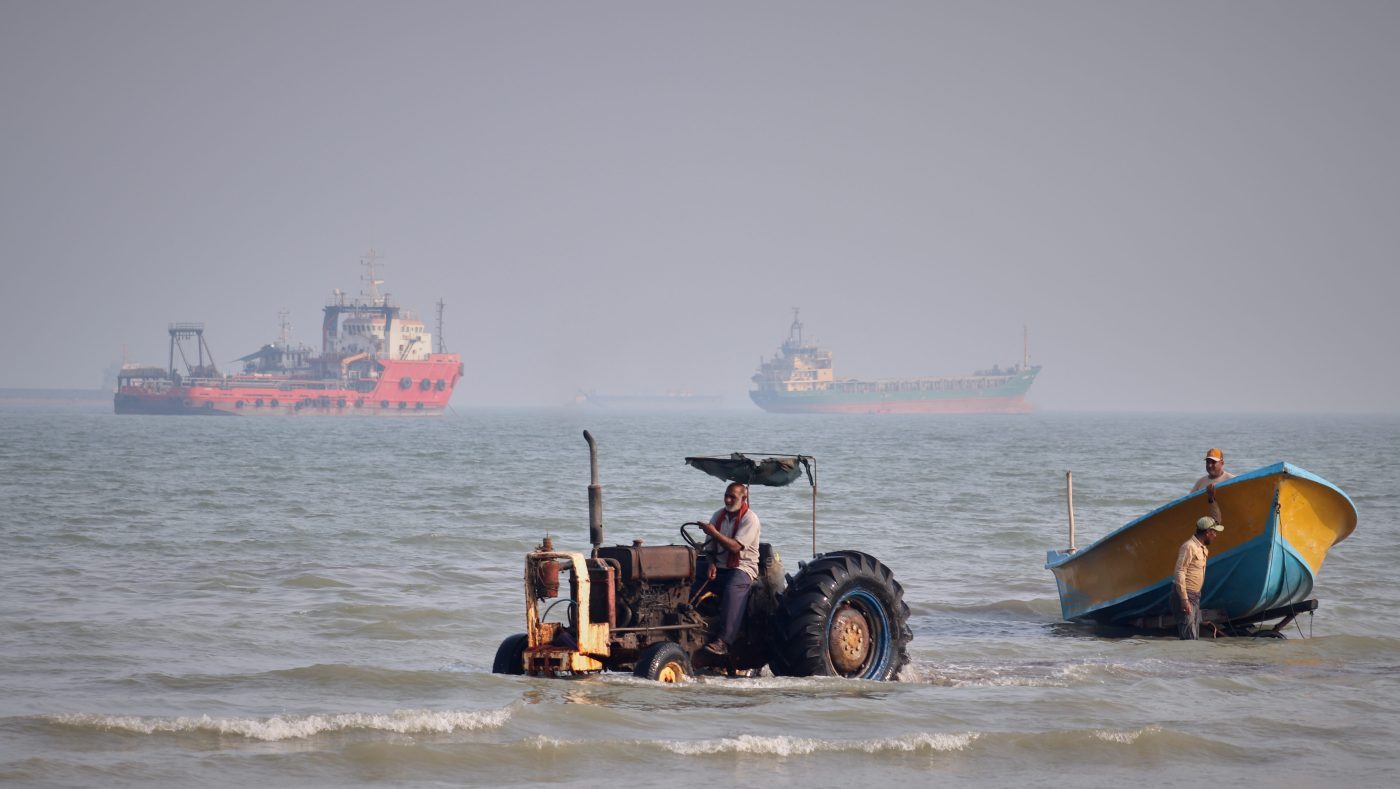
In a statement on X, Centcom said: "The strikes follow recent attempted attacks by the IRGC against commercial shipping in the Strait of Hormuz and against American service members deployed to the region." The U.S. military has also been dealing with Iranian attempts to disrupt commercial shipping, including efforts to plant mines and seize vessels in the vital waterway.
As the conflict approaches its six-month mark, President Trump is facing a Tehran that has shown little willingness to capitulate under military pressure. Negotiations aimed at curbing Iran's nuclear program and ensuring the free flow of oil through the Strait of Hormuz have made little progress. Iran's effective chokehold on the strait has severely restricted global oil and gas exports, contributing to higher energy prices worldwide.
The U.S. has imposed a naval blockade on Iranian oil exports through the strait and has been working to escort stranded tankers and clear mines from shipping lanes. Centcom reported that since resuming the blockade in July, the U.S. military has redirected 84 commercial ships, disabled three, and boarded another two. Despite these efforts, traffic through the strait remains at a trickle.
In a rare conciliatory move, Iranian President Masoud Pezeshkian said on Tuesday that Iran is prepared to return to a Memorandum of Understanding (MOU) signed with the U.S. in June, provided President Trump honors the commitments outlined in that document. Pezeshkian made the remarks at the Shanghai Cooperation Organization summit in Kyrgyzstan, as reported by the Associated Press. The MOU collapsed earlier when Iran claimed the text granted it control over the Strait of Hormuz, a point the U.S. disputed.
Meanwhile, Treasury Secretary Scott Bessent has escalated economic pressure on Tehran under a campaign dubbed "Operation Economic Outcast." Bessent issued a global warning that the U.S. intends to "economically asphyxiate" the Iranian regime, insisting that Tehran will only return to meaningful negotiations under severe financial strain. He stated, "We are tracking down the IRGC's assets… We know where in the British Virgin Islands your accounts are, at these trust companies, we know the $100 million houses you have around the world, we're going to freeze those."
The combination of renewed military action and intensified economic sanctions signals a hardening U.S. stance, even as Tehran hints at a potential return to diplomacy. The coming weeks will be critical in determining whether this dual-track approach can force a change in Iranian behavior or further escalate the confrontation.