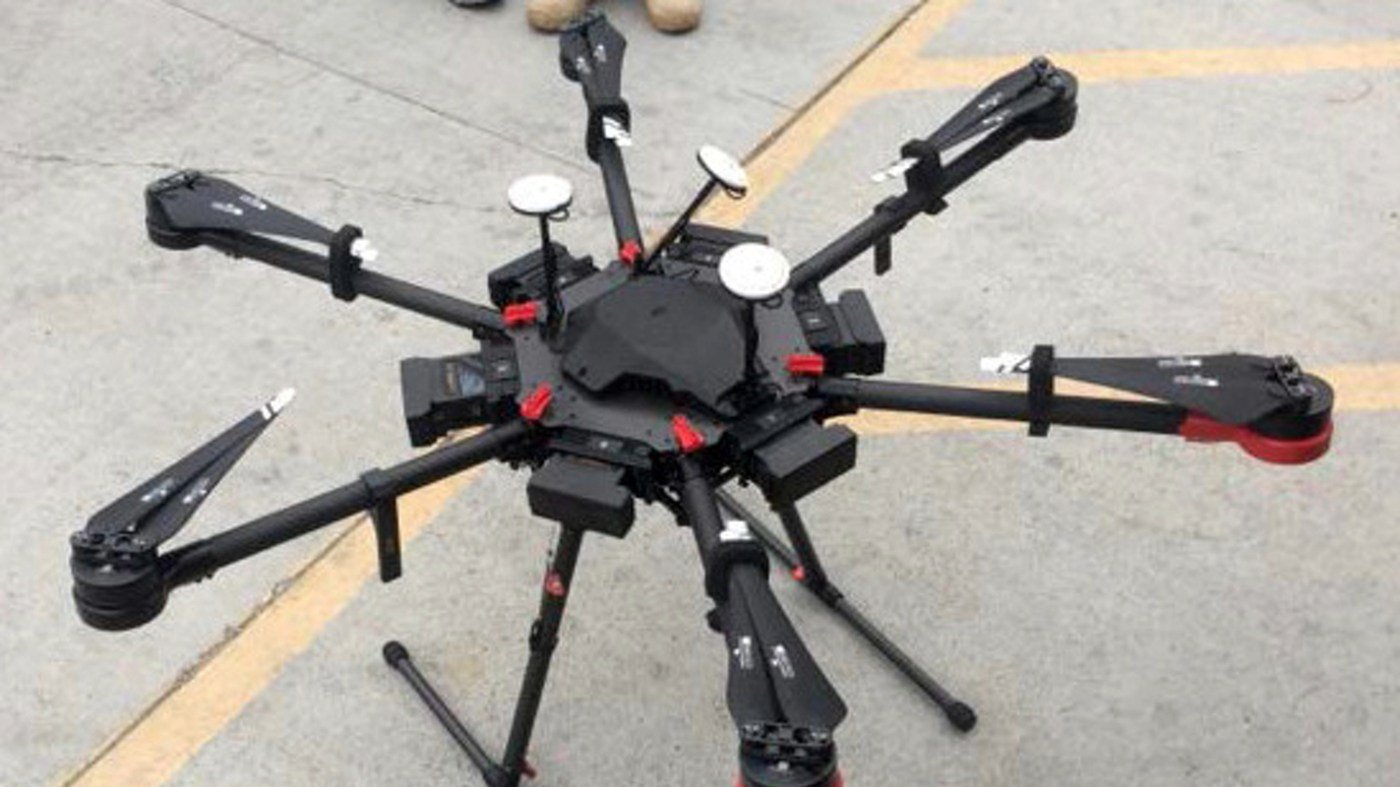
Customs and Border Protection (CBP) sources report a 75% decline in suspected cartel drone sightings in Texas' Rio Grande Valley since the U.S. military began deploying high-energy lasers in August. The sharp drop follows the Army's integration of the laser system into its layered defense network, which has successfully disabled hostile unmanned aircraft that cartels use for surveillance and smuggling support.
Pentagon officials confirmed that military forces, operating under U.S. Northern Command (NORTHCOM) and North American Aerospace Defense Command (NORAD), shot down 300 suspected cartel drones in the first eight months of the year. Of those, 100 were destroyed in August alone, when the laser system was fully operationalized. The technology, purchased in 2025 as part of the Army's scalable directed-energy program, has proven more effective than previous electronic warfare jamming, which allowed drones to resume operations once operators unjammed them.
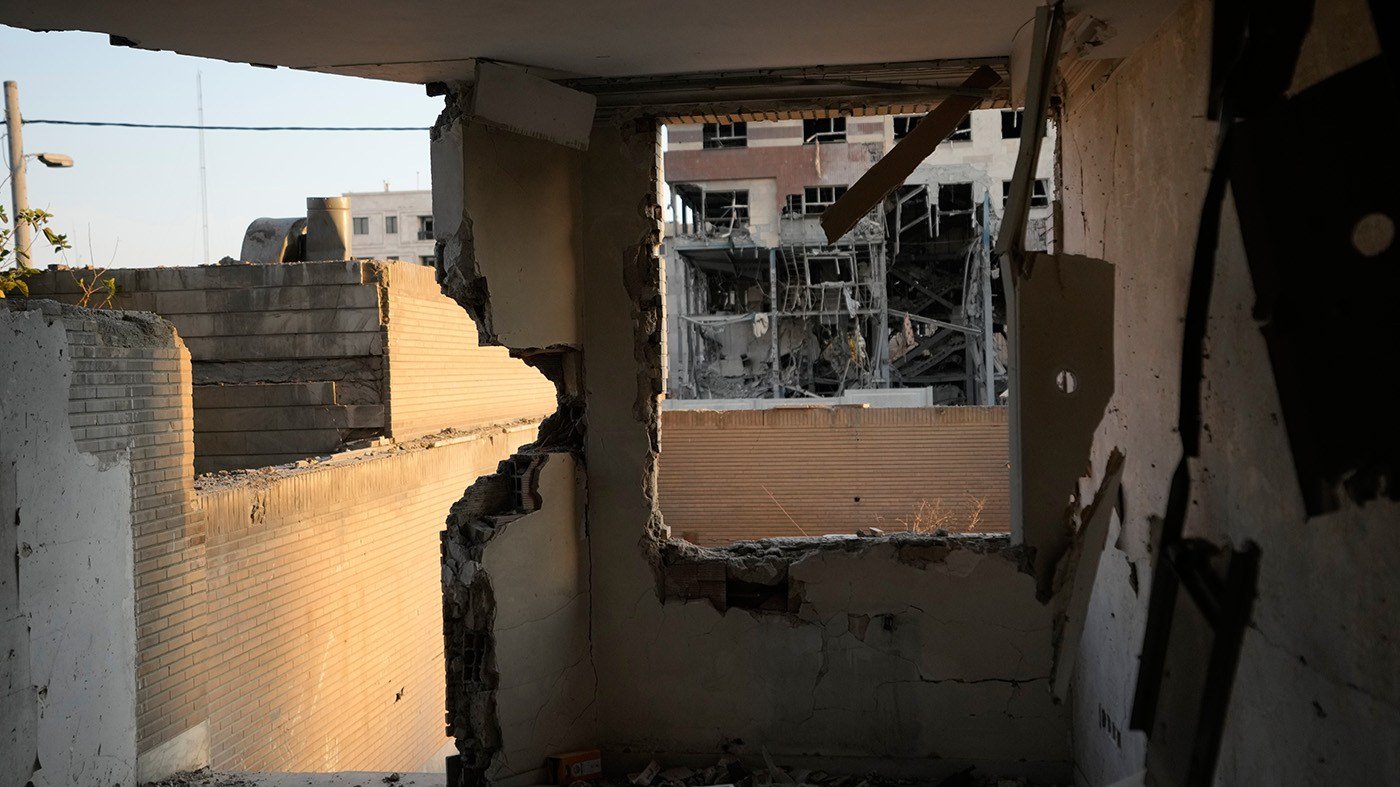
Gen. Gregory Guillot, commander of NORAD and NORTHCOM, highlighted the success in a statement: "Frontline troops have the right authorities and are leveraging a highly capable network to thwart threats to the forces conducting the territorial integrity mission." The laser's ability to completely disable drones removes them from cartel arsenals, a key advantage over jamming.
The drop in sightings, however, may not solely reflect the lasers' effectiveness. Officials acknowledge that cartel operatives could be altering routes or adopting new tactics to continue monitoring U.S. activity. The drones have been used to surveil law enforcement and military personnel, providing smugglers with aerial intelligence along the border.
In late August, troops used the laser to down three hostile drones in the Rio Grande Valley that were directly supporting threats to U.S. personnel. By September 4, that number had risen to 11. The military has not publicly linked any specific cartel to the drone activity near Fort Bliss in El Paso, Texas.
The deployment has not been without complications. The Federal Aviation Administration (FAA) briefly closed airspace around El Paso earlier this year amid concerns about laser testing near civilian traffic. Restrictions were lifted within hours, and the FAA and Pentagon have since completed a formal safety assessment. Military officials now coordinate with the FAA before and after each laser use to ensure civilian aircraft safety.
White House border czar Tom Homan said Monday that the administration is "aware of all drone activity and we're mitigating it." The U.S. is also coordinating with Mexican officials, who have committed to curbing cartel operations. Mexico's defense secretary noted that both countries are sharing drone intelligence and conducting "mirror operations," where each nation acts on its own side of the border in coordinated efforts.
The laser's success comes amid broader concerns about cartel capabilities, including cargo hijackings by cartels in other sectors. The military's use of directed energy also raises questions about future applications, as seen in drone attacks on U.S. bases elsewhere. While the 75% reduction is significant, officials remain vigilant about adapting to cartel countermeasures, ensuring the border mission stays ahead of evolving threats.