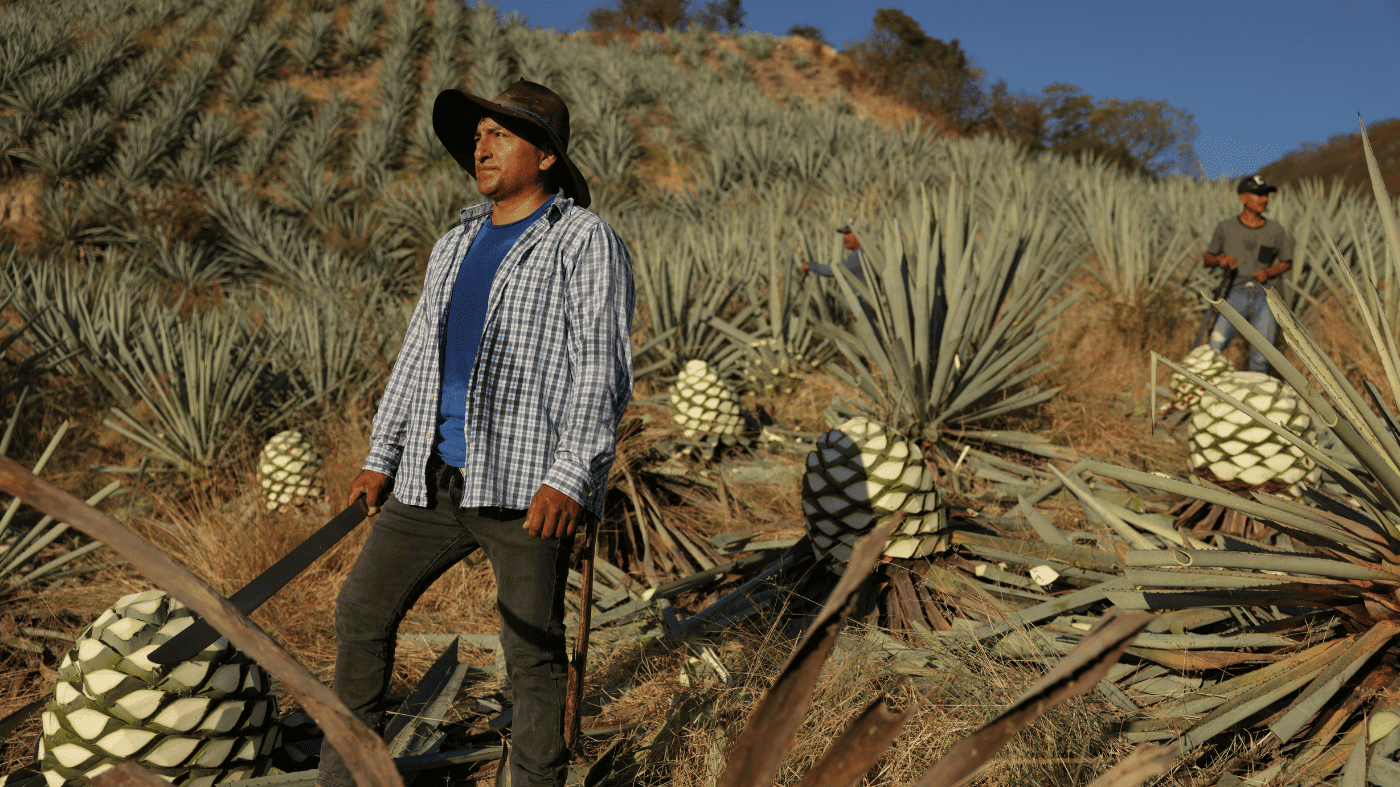
In the rugged hills of Oaxaca, the sweet, smoky scent of roasting agave has long signaled tradition. Today, it also signals economic promise. Mexico produced 7.7 million bottles of mezcal in 2025, a dramatic jump from a decade earlier, and the spirit has become a favorite in high-end bars from Mexico City to New York.
But that success story is now colliding with a grim reality: Mexico is the world's most dangerous country for in-transit cargo truck hijackings, and the roads that carry mezcal from Oaxaca's mountain villages to the U.S. border have become prime targets for organized crime.
Recent incidents illustrate the threat. In September 2024, armed hijackers seized a truck loaded with Monte Alban mezcal on the Mexico-Tuxpan highway near Zempoala. In July 2025, thieves made off with a truck carrying 9,000 bottles of premium agave spirits valued at $1.3 million in Guanajuato. Days later, another hijacking in Hidalgo netted 64 tons of bottled alcohol.
These thefts are part of a broader pattern. Criminal groups specializing in cargo theft focus on easily resold goods, and beverages like mezcal and tequila are attractive targets for informal markets. While Oaxaca itself is not yet a hijacking hotspot, shipments moving north through Puebla, Mexico State, Michoacan, Jalisco, and Guanajuato face increasing danger.
Private security analysts now rank Puebla—the main transit point for U.S.-bound mezcal from Oaxaca—as the worst state for cargo truck hijackings. Local authorities and residents in some Puebla towns are reportedly colluding with criminal groups to hide stolen merchandise and obstruct investigations, a dynamic also seen in states surrounding Mexico City.
Data from the Mexico Cargo Truck Hijacking Data Portal, compiled by Reliance Partners, shows that in the first six months of 2026, more than 79 percent of all hijackings occurred in Mexico State and Puebla—both controlled by President Claudia Sheinbaum's Morena party.
The stakes are high. Mezcal sales in the U.S. are booming, with an average of 20,000 trucks crossing the border from Mexico in 2025. The global mezcal market is projected to exceed $1 billion by the early 2030s. Oaxaca produces about 90 percent of Mexico's mezcal, and the industry is a rare bright spot in one of the country's poorest states, which attracted just $5 million in foreign direct investment in 2025.
Unlike tequila, which has largely shifted to industrial production, most mezcal is still made by small, family-owned distilleries using traditional underground ovens and donkey-driven mills. For these artisans, the loss of a single truckload can be devastating.
President Sheinbaum has overseen a decline in overall violence since taking office in late 2024, but her administration has been slow to investigate allegations that Morena officials are colluding with criminal groups. The governors of Oaxaca, Puebla, and Mexico State are all Morena members, raising questions about political will to crack down on hijacking rings.
As the mezcal industry grows, its future depends on safe passage along Mexico's highways. A political failure to address cargo theft could undermine one of the country's most promising export stories.