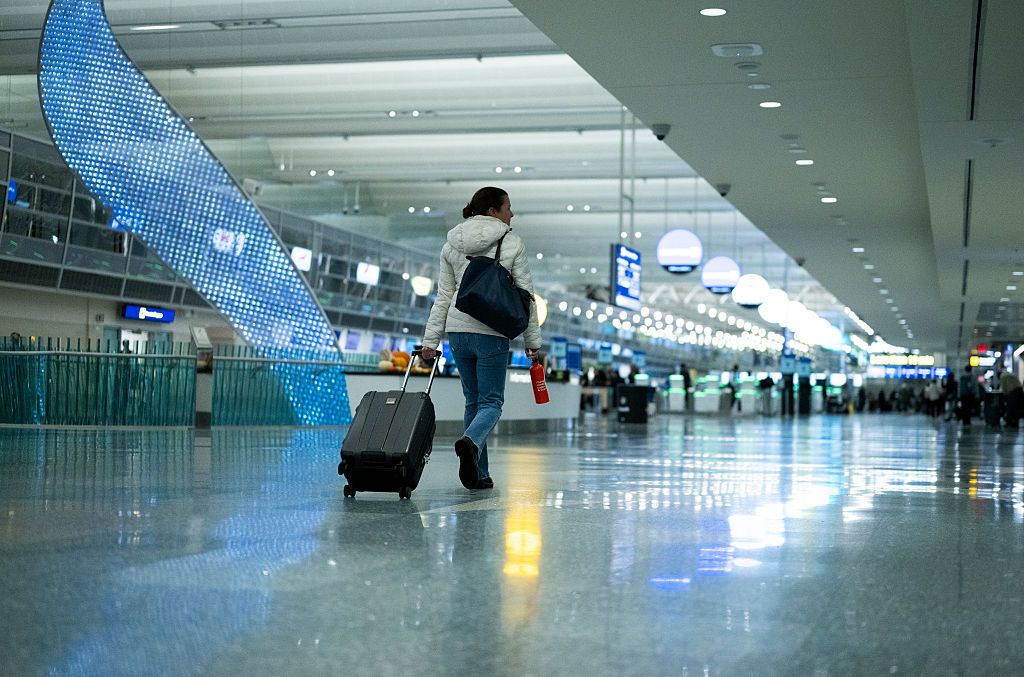
Flying can be a stressful ordeal, but a new study suggests that some airports are managing to make the experience significantly better for passengers. The 2026 JD Power North America Airport Satisfaction Study, released Wednesday, highlights airports that are "defying the odds" despite record-breaking crowds, frequent flight delays, and long security lines.
According to the study, the key differentiator is investment. Airports that have recently completed or are nearing completion of major capital improvement projects are seeing the biggest gains in passenger satisfaction. These projects focus on streamlining passenger flow, upgrading food and beverage options, and enhancing the overall terminal experience.

Top Performers by Airport Size
The study categorizes airports into three groups—mega, large, and medium—and ranks them based on traveler evaluations of ease of travel, trust, facilities, staff, departure and arrival experiences, and retail and dining options. Here are the top 10 in each category, with scores out of 1,000:
Mega Airports
- 1. Minneapolis-Saint Paul International – 684
- 2. Detroit Metropolitan Wayne County – 663
- 3. Phoenix Sky Harbor International – 642
- 4. LaGuardia – 638
- 5. Harry Reid International – 634
- 6. San Francisco International – 630
- 7. Miami International – 628
- 8. John F. Kennedy International – 626
- 9. Boston Logan International – 622
- 10. Orlando International – 621
Large Airports
- 1. Tampa International – 715
- 2. Portland International – 708
- 3. Dallas Love Field – 698
- 4. Kansas City International – 692
- 5. Raleigh-Durham International – 685
- 6. Nashville International – 683
- 7. Louis Armstrong New Orleans International – 682
- 8. Salt Lake City International – 682
- 9. Southwest Florida International – 680
- 10. John Wayne Airport – 677
Medium Airports
- 1. Charleston International – 712
- 2. Ontario International – 705
- 3. Indianapolis International – 695
- 4. Milwaukee Mitchell International – 694
- 5. Hollywood Burbank – 688
- 6. Palm Beach International – 682
- 7. Cincinnati/Northern Kentucky International – 675
- 8. Pittsburgh International – 672
- 9. Albuquerque International – 671
- 10. Jacksonville International – 671
Minneapolis-Saint Paul took the top spot among mega airports for the third consecutive year, while Tampa International led large airports, and Charleston International topped the medium category. The full results are available on the JD Power website.
Capital Improvements Pay Off
Michael Taylor, managing director of travel, hospitality, and retail at JD Power, noted that "for the better part of the last decade, nearly every airport, from the largest international hubs to midsized airfields, has undertaken a significant capital improvement project aimed at streamlining passenger flow, adding attractive food and beverage options and improving overall passenger experience."
The study found that average satisfaction scores rose by 14 points for mega airports, 13 for large, and 16 for medium airports, even as passenger traffic increased. Taylor added, "On the whole, [airport improvement] efforts are finally starting to pay off in the form of higher overall passenger satisfaction scores. However, when it comes to the individual experiences of passengers, every detail counts and the specific design and structural decisions airports make can have a significant influence on how passengers spend their time – and their money – in the terminal."
With more than 3 million people flying into and out of U.S. airports daily, according to the FAA, these rankings offer a snapshot of which airports are delivering a smoother journey. For travelers, the results could inform future flight choices. Meanwhile, the ongoing push for modernization continues, with some airports also exploring new security screening initiatives and privatized screening options to further improve the passenger experience.
The study is based on responses from 24,710 U.S. and Canadian travelers who flew between July 2025 and July 2026. As airports continue to invest in upgrades, passengers are reaping the benefits, but as Taylor emphasizes, the devil is in the details.