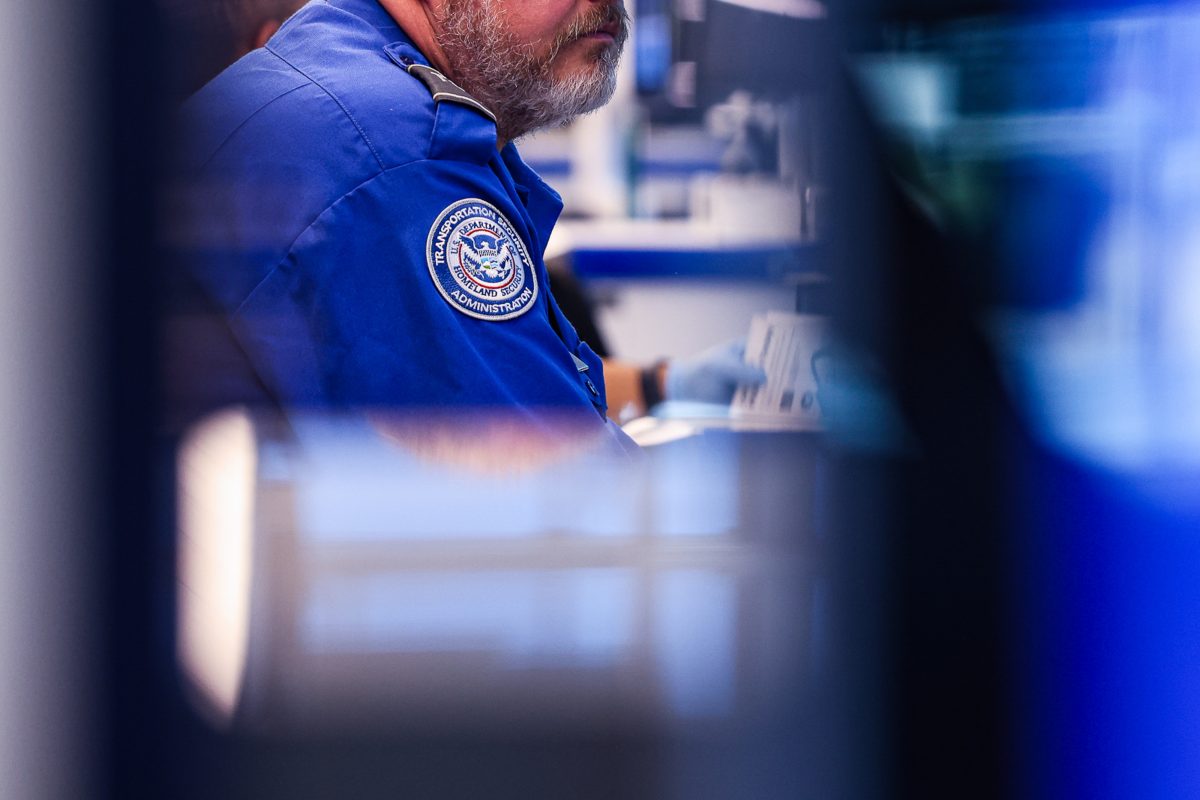
Three American airports are set to join the Transportation Security Administration's new TSA Gold+ initiative, a move that will shift passenger screening from federal officers to private contractors. The airports are Charleston International in South Carolina, Des Moines International in Iowa, and Tampa International in Florida.
TSA launched Gold+ earlier this year as a "public-private partnership" that lets airports bring in outside firms to handle security checkpoints, while still operating under TSA's federal standards. The agency says the program will let private vendors "tailor" security to each airport and could speed up deployment of new screening technology. A TSA spokesperson declined to give a timeline for when the three airports will switch over, but stressed the agency remains "committed to operational stability and supporting our employees" throughout the transition.
Union opposition and security concerns
The plan has drawn sharp criticism from the American Federation of Government Employees (AFGE), the union representing TSA workers. At a May congressional hearing, AFGE President Everett Kelley argued that private screeners may lack the standardized training and accountability that TSA officers have provided since the agency was created after 9/11. "We need trained professionals conducting security screening who are accountable to the public, not to a contractor's bottom line," Kelley said.
Chris Finlay, president of AFGE Local 556, went further, telling Nexstar's WFLA that the program is "selling the safety of the American people to the lowest bidder." He also disputed the idea, floated on the Gold+ website, that privatized security would be immune to government shutdowns, noting that contractors would still be paid from the same federal funding pool that supports TSA.
How Gold+ differs from existing programs
Privatized screening is not new. TSA already runs a smaller Screening Partnership Program (SPP) at 20 airports, including San Francisco and Kansas City. But Gold+ goes further: under SPP, contractors use TSA-owned equipment, whereas Gold+ vendors would supply their own screening machines and potentially develop new innovations. Kelley called that prospect "troubling," warning that the federal government would be "ceding direct operational control of the most sensitive technology in the aviation security enterprise to private vendors."
Not everyone is opposed. Jeff Price, a security consultant who helped implement some SPP programs, told WFLA that private investment could help bypass bureaucratic hurdles and field advanced tech more quickly. Brian Mulcahy, CEO of the Des Moines Airport Authority, echoed that optimism, saying Gold+ "aligns well with our primary goal which is to make travel EASY." He added that passengers would see the same professional screening process but with newer technology that could move lines faster.
Job protections and lingering doubts
The three airports have said current TSA officers will be able to keep their jobs if they choose, though they would become employees of the new contract security firm. TSA has promised comparable pay and benefits, and officers who leave can receive severance or pension benefits. But Finlay is skeptical, recalling that when an airport he worked at in Florida privatized over a decade ago, the new contractor "called workers in three weeks after they had taken over" with different terms than promised.
As the program rolls out, the debate over whether private screening can match federal standards is likely to intensify. The AFGE has vowed to keep pressing its case on Capitol Hill, while TSA and the participating airports are betting that Gold+ can deliver a smoother, more efficient traveler experience without compromising security.