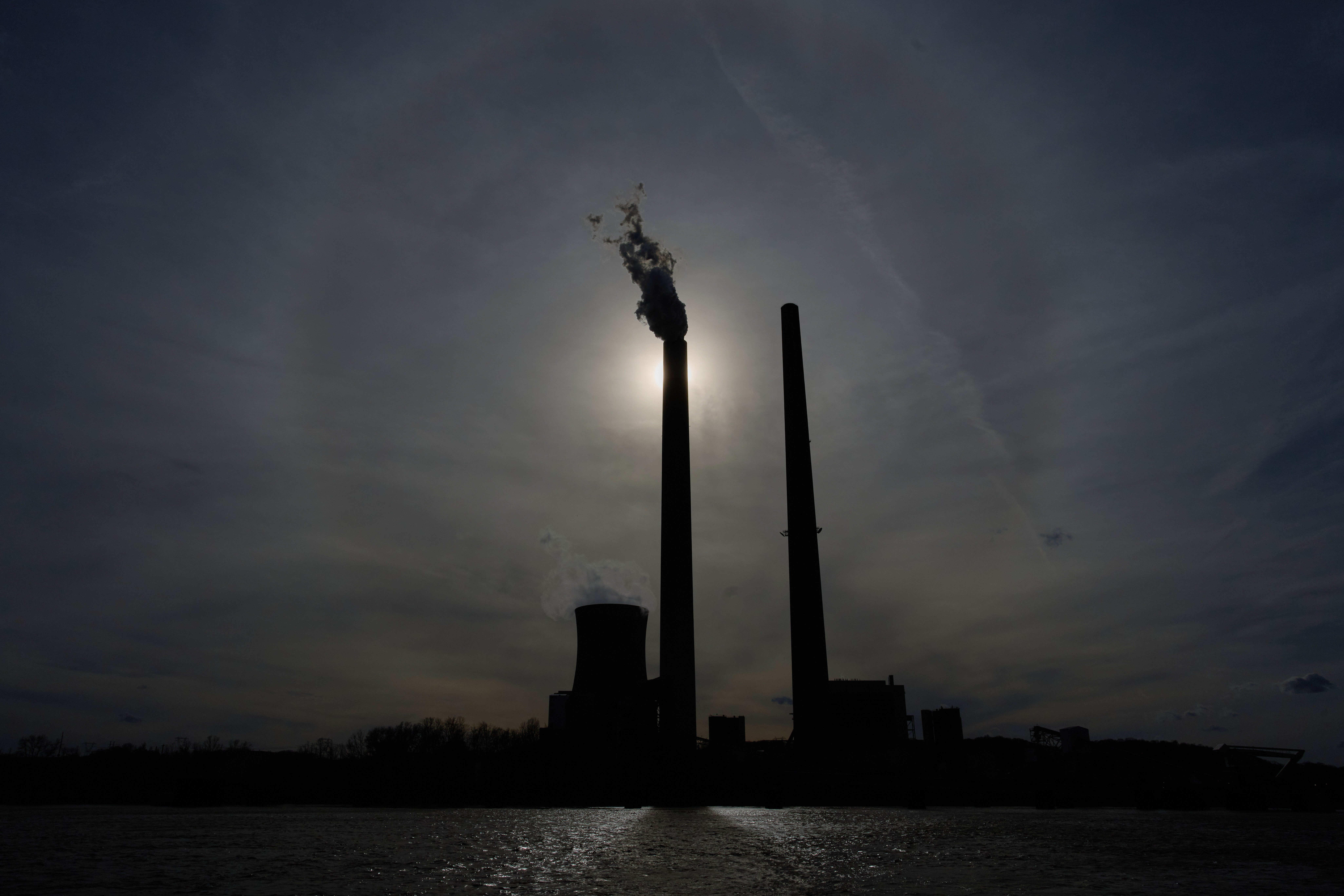
The Environmental Protection Agency on Monday finalized a rule that dismantles key federal limits on greenhouse gas emissions from coal- and gas-fired power plants, a major victory for the fossil fuel industry and a significant setback for climate policy.
The move targets the Biden administration's Clean Power Plan 2.0, which had required existing coal plants and new gas plants to capture 90% of their carbon dioxide emissions. The EPA's new rule repeals most of those requirements, leaving only limited pieces of Obama- and Biden-era regulations in place, according to EPA assistant administrator Aaron Szabo.
In a separate proposal, the EPA is also seeking to declare that the Clean Air Act does not authorize it to regulate power plant emissions for their climate impacts. If finalized, Szabo said, that determination could block future administrations from imposing similar rules—effectively cementing the current administration's approach for years to come.
Szabo framed the rollback as a win for consumers, saying it would allow "American families and businesses [to] experience lower electricity costs … thanks to an increased power supply." An EPA analysis projects that eliminating the rules could cut electricity prices by an average of 1.4% by 2035, and the agency claims the final rule will save $310 billion.
But those savings come with a steep environmental cost. When the administration first proposed killing the regulations last year, it estimated that by 2035 the move would result in an additional 123 million metric tons of carbon dioxide entering the atmosphere—equivalent to putting nearly 29 million more gas-powered cars on the road. The power sector is responsible for roughly a quarter of U.S. emissions, making it a central target in the fight against climate change.
Environmental groups reacted with alarm. "It's really just the Trump EPA putting their head in the sand," said Meredith Hankins, federal climate legal director at the Natural Resources Defense Council. She pointed to recent heat waves and the approaching El Niño season as evidence that climate impacts are already here, adding, "The Trump EPA is trying to say, 'Well, that's not our problem.'"
Industry representatives, however, applauded the decision. Rachael Marsh, chief legal officer at the Edison Electric Institute, a trade group for investor-owned utilities, said in a statement that the group "welcomes EPA's repeal" of the Biden-era rule.
The rollback is part of a broader pattern: the administration has already repealed climate rules for cars and trucks, and President Trump has repeatedly called climate change a "hoax." The latest action comes amid rising electricity demand and growing public concern over power prices, a politically charged issue that the administration is leveraging to justify its deregulatory push.
With midterm elections looming, the move is likely to intensify the debate over energy policy, with Democrats expected to attack it as a gift to polluters and Republicans framing it as a necessary step to keep energy affordable. The EPA's proposed reinterpretation of the Clean Air Act could also spark a legal battle that may reach the Supreme Court, setting up a high-stakes fight over the federal government's authority to address climate change.