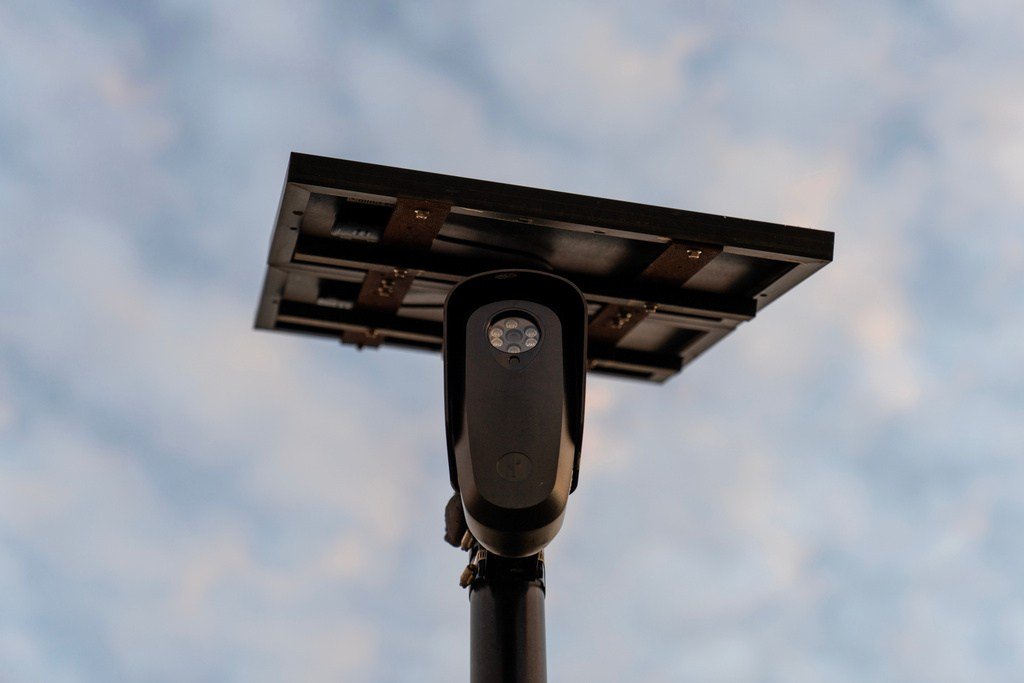
The political landscape is littered with the wreckage of hasty decisions made under the glare of public outrage. Today, that pattern is repeating itself in the contentious debate over police surveillance technology, as lawmakers on both sides of the aisle rush to ban or restrict tools like automated license plate readers.
According to one advocacy group tracking surveillance, nearly 90 communities severed ties with Flock Safety—the largest provider of license plate readers—in a single month, a fourfold increase from the previous month. This wave of “De-Flocking” has swept across the political spectrum, with Florida Governor Ron DeSantis ordering the removal of all such cameras from state highways and Texas halting state funding for them. Progressive city councils have joined the chorus, all citing fears of an encroaching surveillance state.

While a pause to evaluate a contract with a tech vendor might be prudent, preemptive bans and blanket prohibitions are panic moves that foreclose thoughtful policymaking. As Greg Newburn, director of criminal justice at the Niskanen Center, argues in a new op-ed, these reactions are a dangerous echo of past legislative overreactions.
History is replete with examples of Congress and local governments acting impulsively. The 1986 drug sentencing laws, rushed through after the overdose death of basketball star Len Bias, created the infamous 100:1 crack-powder disparity. The Patriot Act, signed in the wake of 9/11, was passed before many lawmakers even read it. And within months of George Floyd’s murder, at least 20 major cities cut police budgets by a combined $840 million—moves many later reversed as crime surged.
The problem, Newburn notes, is not that lawmakers responded to real problems, but that they conflated “something should be done” with “something must be done right now.” Crises force decisions under maximum pressure and minimal deliberation, a recipe for error. The current surveillance debate has fallen into that trap, with valid concerns about privacy and due process being overshadowed by reflexive bans.
Newburn points out that while unchecked surveillance power is a genuine threat—as the Patriot Act demonstrated—the lesson should not be to overcorrect in the opposite direction. Instead, careful deliberation is needed to determine which uses of technology are legitimate and what safeguards are required.
Even when lawmakers revisit rushed policies, the damage is often irreversible. Congress waited nearly 25 years to reduce the crack-powder sentencing disparity, leaving thousands to serve sentences later deemed unjust. The “defund the police” movement was reversed faster, but not before budgets were slashed and public safety suffered.
Another reason to resist categorical bans is that technology is constantly evolving. Today’s crude tools will improve in accuracy and capability, and a flexible regulatory framework will be far more effective than a permanent ban based on current limitations.
Law enforcement surveillance raises difficult questions that won’t be answered by ideological food fights on social media. The unglamorous work of weighing costs and benefits—What problem does a technology solve? What risks does it pose? Can safeguards mitigate those risks?—is essential. As Newburn concludes, “governing well requires the courage to slow down.”
Related: GOP faces backlash over AI data centers and surveillance and license plate readers and Fourth Amendment concerns.