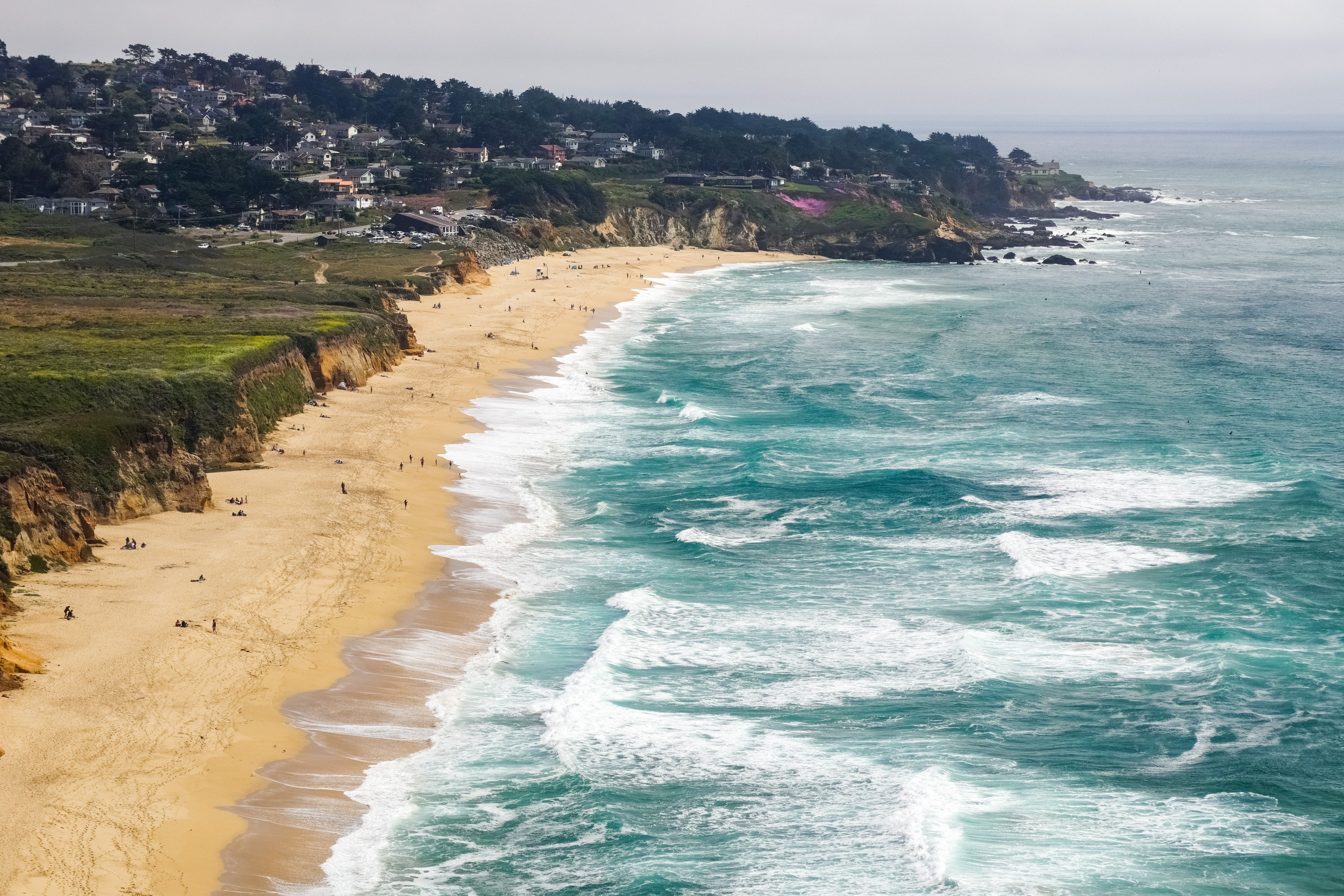
Environmental laws are often dismissed as top-down mandates that ignore local expertise. But the Coastal Zone Management Act stands as a counterexample—a Nixon-era law that empowers 35 coastal and Great Lakes states and territories to shape federal decisions affecting their shores, balancing national interests with regional priorities. Now, that model of cooperative federalism is under direct assault from the Trump administration, which is leveraging the law to seize control of California's coastline.
Christine Todd Whitman, a former Republican governor of New Jersey and EPA administrator under George W. Bush, warns that the administration's move is a dangerous overreach. “The best results come from state-federal partnership, not presidential fiat,” she writes in an op-ed. The stakes are enormous: coastal counties, if considered a single economy, would rank third globally in GDP—behind only the United States and China. Gambling with that economic engine to favor select industries, she argues, is both reckless and a threat to the freedoms of nearly 130 million coastal residents.
The conflict began when Commerce Secretary Howard Lutnick ordered NOAA to reopen a routine evaluation of California's coastal management program—a review that had been completed but not finalized under the Biden administration. Citing economic factors and industry preferences, Lutnick's directive signals a predetermined outcome. Under the Coastal Zone Management Act, once a state's program is certified, it has authority to assess and condition federal projects—from offshore drilling to subsea cables to military exercises—that could affect its coastal zone.
California has used that authority effectively for nearly five decades, collaborating with ten presidents to manage its coast while growing into the world's fourth-largest economy. The state has preserved 22% of its coastline as parkland, expanded public access, and built a $60.5 billion coastal economy supporting over 600,000 jobs. Its record is compelling: of more than 3,700 federal actions reviewed, California approved or negotiated improvements in 96% of cases—hardly the obstructionist portrait painted by the administration.
Whitman, who has deep experience with environmental governance, points out that California's success contradicts the administration's narrative. The state is a hub for venture capital, attracting three times more than the rest of the nation combined in the first half of this year. It ranks second in commercial space launches and seventh in crude oil production. These achievements, she argues, demonstrate that state-federal partnership works—and that Washington's intervention is unnecessary and harmful.
The administration's push is tied to expanding offshore drilling, space launches, and seabed mining—policies backed by some Republicans. But Whitman cautions that political pendulums swing, and this initiative creates a dangerous precedent: a president of any party could exploit it to override state priorities. The move also ignores the real risks of offshore drilling, such as oil spills that have historically devastated fisheries, beaches, and coastal communities.
Whitman notes that the administration is targeting California precisely because its coastal management is considered the strongest in the nation. “If it falls first to a federal takeover, then like dominos, other states will easily follow,” she warns, eroding one of the best examples of federalist governance. The selective nature of the administration's approach is telling—it abandoned Atlantic offshore drilling plans after opposition from Republican leaders in that region, while pressing forward against California.
This should alarm every American, regardless of party. The right to manage the coast should remain equal under the law for all coastal states. As Whitman concludes, “Washington doesn't have a monopoly on wisdom.” The administration's power grab, she argues, is a short-sighted gamble that could have lasting consequences for the nation's economy, environment, and federal balance. The question is whether voters will hold the administration accountable before it's too late.