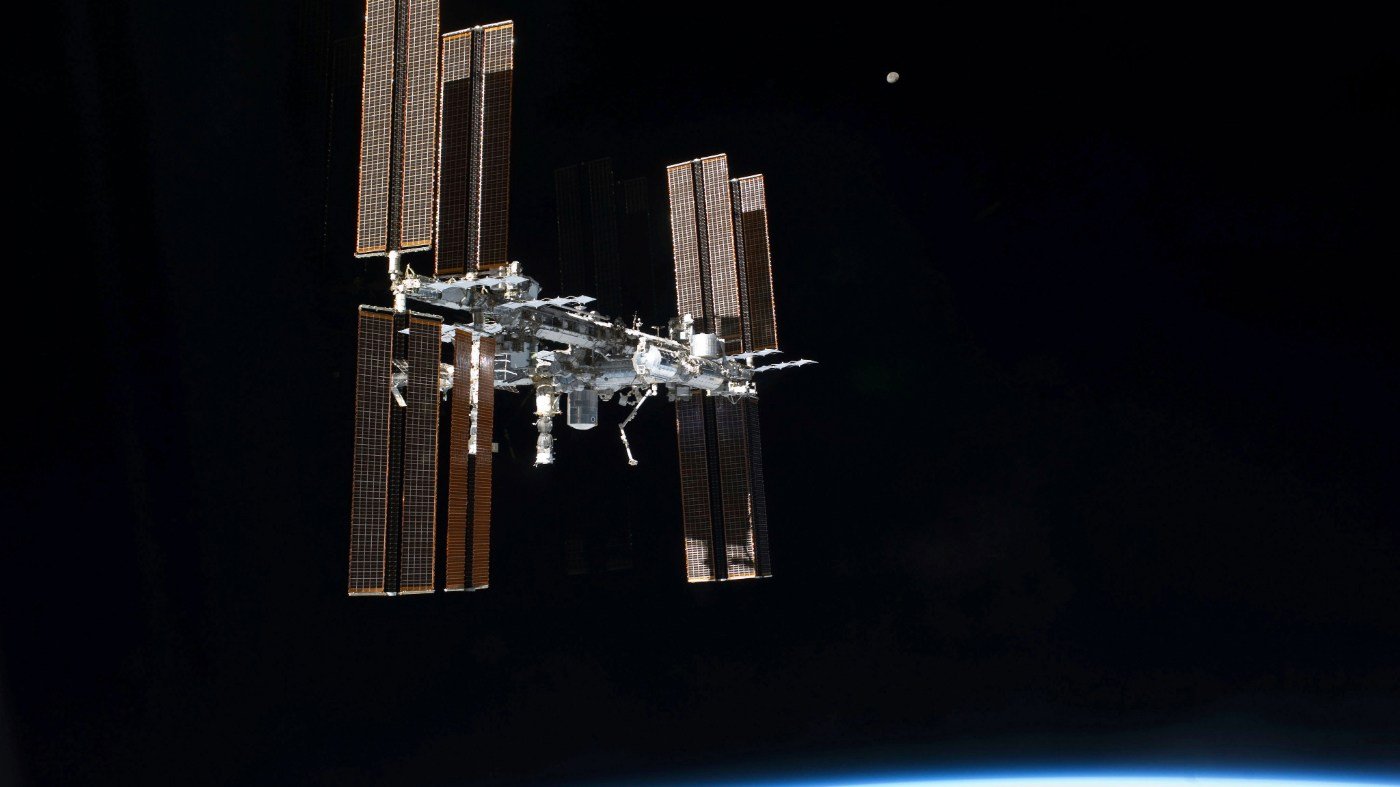
A heated debate is unfolding over the future of America's presence in low Earth orbit, with two prominent figures offering contrasting visions for the post-ISS era.
Phil McAlister, a former senior NASA manager who played key roles in the Commercial Crew and Commercial Orbital Transportation Systems programs, warns that when the International Space Station retires in 2030, SpaceX's Elon Musk plans to phase out the Falcon 9 rocket and Crew Dragon capsule. That would leave the United States without a domestic means to transport astronauts to orbit. Several private companies are developing commercial space stations, but they lack reliable transportation options.

McAlister is highly critical of alternatives like Boeing's Starliner, suggesting they fall short. He proposes that NASA initiate a low Earth orbit strategy by paying private astronauts to conduct experiments and other work aboard commercial stations.
NASA Administrator Jared Isaacman counters that while the agency hasn't abandoned low Earth orbit, excessive government involvement could undermine commercialization. He argues that if NASA becomes the primary customer for a commercial station, it risks becoming the only customer, making the venture "commercial in name only." Isaacman insists that companies must secure their own funding and customers, potentially building their own transportation systems, before NASA can be just one of many users.
Given these conflicting views, what could spur the development of a robust commercial space infrastructure? One proposal resurrects the "zero gravity, zero taxes" concept from the early 2000s. That idea would grant a 20-year federal tax holiday on goods and services produced in space, incentivizing private investment in orbital manufacturing and related facilities.
Congress tried to pass such legislation in 2000, 2001, and 2005, but it stalled. The Congressional Budget Office estimated a $10 billion revenue loss over two decades, effectively killing the measure. However, proponents argue that with no commercial space industry currently existing—aside from satellites and Earth observation—the actual tax loss would be minimal. Moreover, taxes on wages of space industry employees, who would mostly reside on Earth, would likely offset any corporate tax shortfall.
Reviving this legislation could provide the catalyst needed to kickstart a commercial space economy, even as NASA pivots to lunar missions. It might also encourage Musk to reconsider retiring Crew Dragon, perhaps spinning it off into a separate venture like "Dragon Space Line."
The push to return to the Moon and venture to Mars is undeniably historic, but low Earth orbit commercialization matters too. McAlister is right about the need for action, and Isaacman is right that NASA shouldn't dominate. A tax incentive could strike that balance, allowing the private sector to lead while the government supports from the sidelines.