Vice President JD Vance is refusing to bow to mounting pressure from media figures, some Republicans, and pro-Israel advocates who have called on him to publicly break ties with Tucker Carlson. The criticism, which has intensified in recent days, centers on accusations that Carlson has made antisemitic remarks, expressed anti-Israel views, or shown disloyalty to former President Donald Trump.
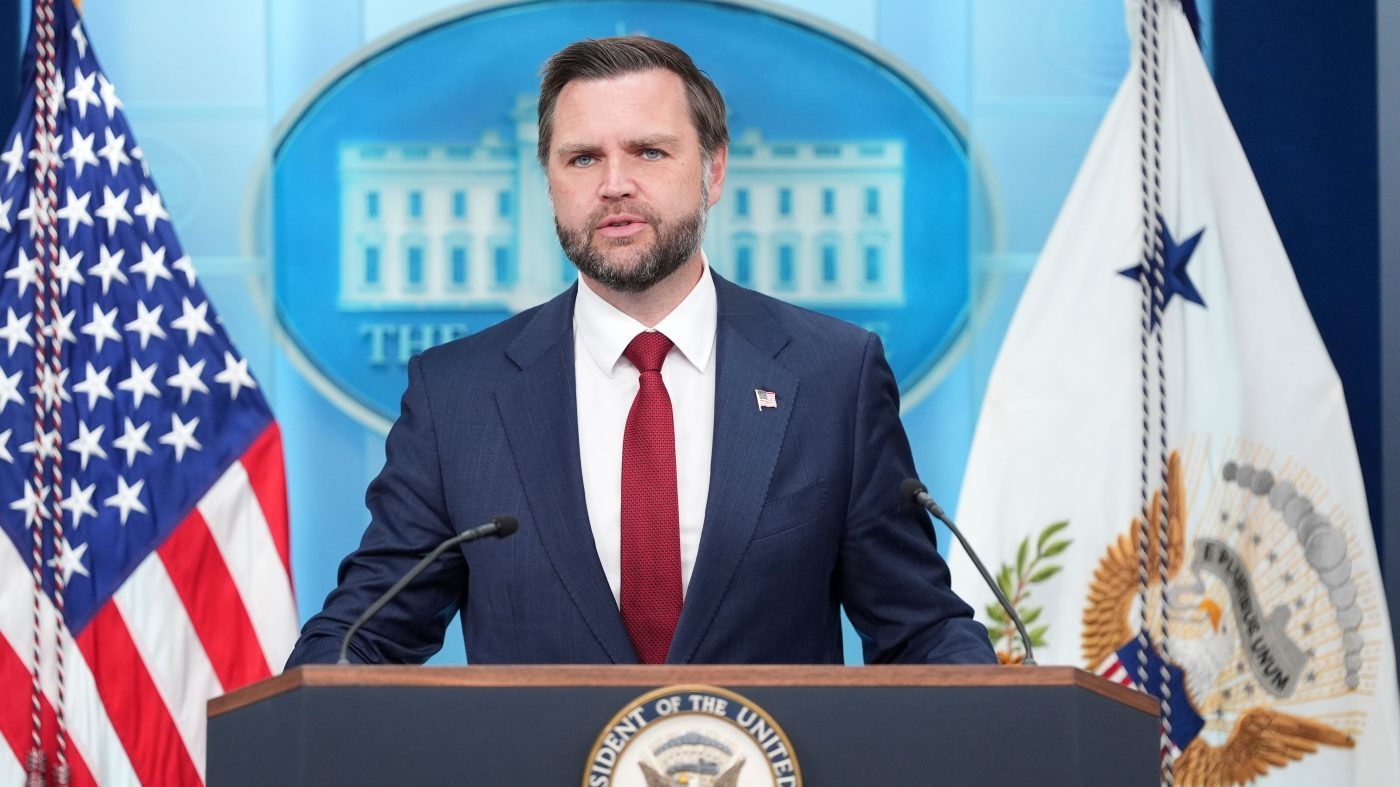
During a recent White House press briefing, Vance was asked directly about his relationship with Carlson. Instead of sidestepping the question, he acknowledged their friendship and made clear he would not sever it over policy disagreements. "Everybody knows that Tucker Carlson and I are friends," Vance said. "And I think it's very obvious that Tucker has said some things that I disagree with." He added, "I'm not going to play the game where I throw friends under the bus because I have political disagreements with them."
Vance's comments come as a direct rebuke to a political culture in Washington where distancing oneself from controversial figures has become routine. His stance highlights a broader debate within the GOP about loyalty, free speech, and the limits of political orthodoxy. The vice president's defense of Carlson aligns with his earlier positions on family policy and his willingness to engage in contentious issues.
In his remarks, Vance emphasized the importance of maintaining friendships across political divides. "If you have a disagreement with someone politically — even over a deeply held issue — you should still be friends with that person," he said. "Because the whole republic depends on people of different perspectives being able to talk to one another."
This sentiment echoes a famous line from the 1995 film The American President, in which President Andrew Shepherd argues that true citizenship requires tolerating speech that makes one's blood boil. Vance appears to embrace that ideal, even as many in the media and politics push for stricter ideological purity.
The pressure on Vance is part of a larger pattern of cancel culture that has affected both the left and the right. Critics argue that Carlson, who has nearly 18 million followers on X, has used his platform to question the foundations of American democracy, a claim that resonates with many voters who feel disenfranchised.
Vance's decision to stand by Carlson has drawn praise from some conservatives who see it as a principled stand against political expediency. It also comes amid speculation about his future ambitions, including potential 2028 presidential prospects. His handling of this controversy could solidify his standing with the GOP base.
However, the controversy is unlikely to fade quickly. Defenders of Israel and Jewish groups have called on Vance to reconsider his association with Carlson, citing specific comments that they say cross the line into antisemitism. Vance has not backed down, insisting that dialogue and friendship are essential to a functioning republic.
As the debate continues, Vance's position represents a clear choice: either yield to the demands for cancellation or uphold the principle that political differences should not preclude personal relationships. For now, he has chosen the latter, signaling that he is willing to take political risks for the sake of free speech.