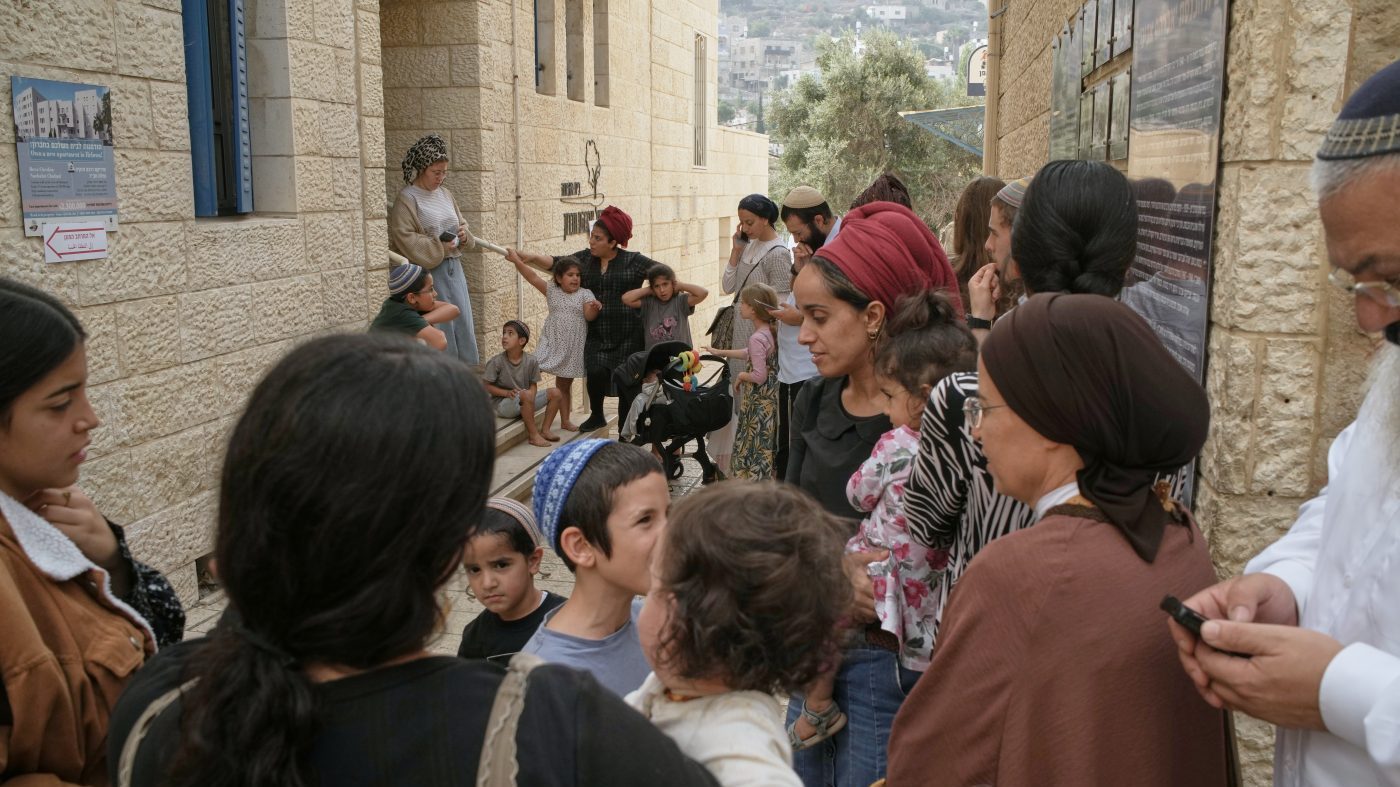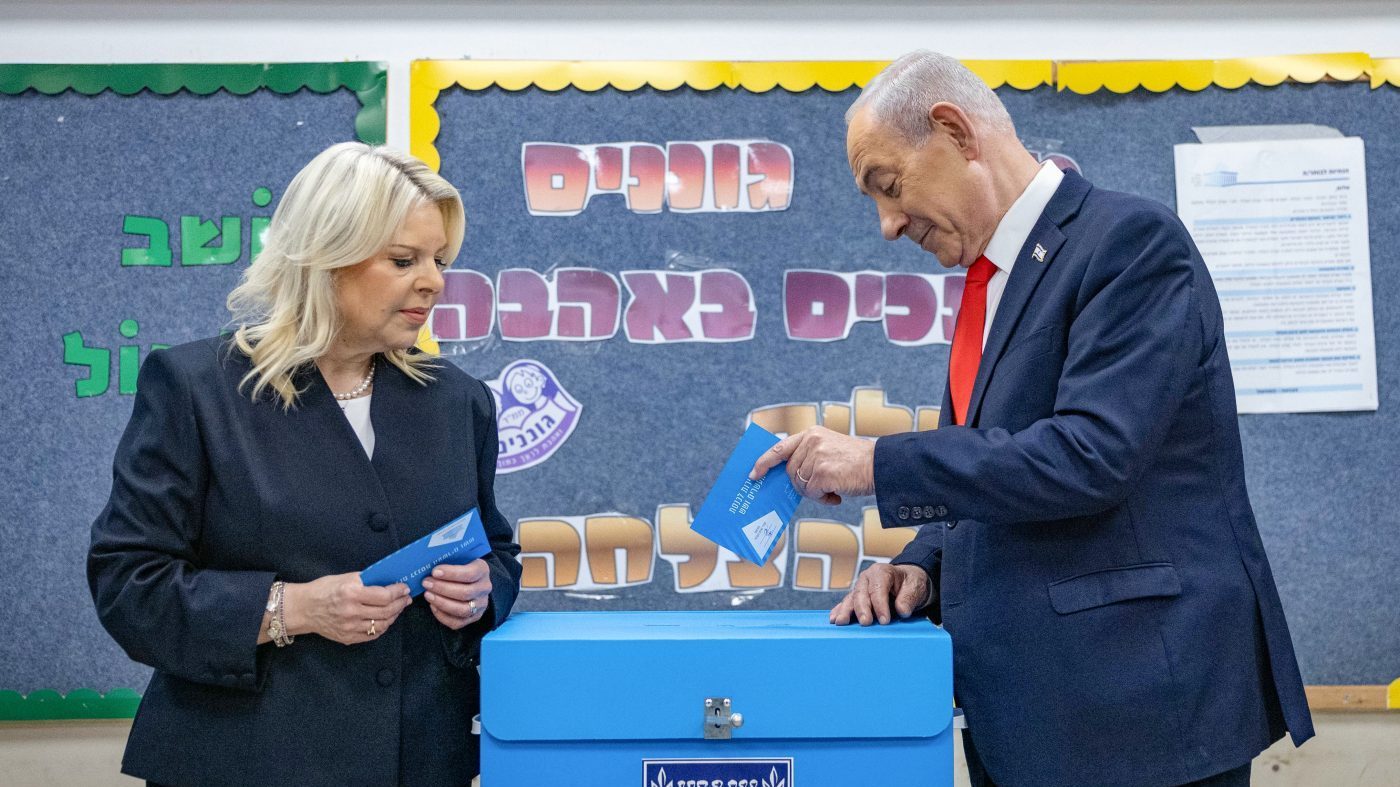
Israelis cast their ballots on Tuesday in a pivotal election widely viewed as a referendum on Prime Minister Benjamin Netanyahu's leadership, with record turnout reported across the country. Polls closed at 10 p.m. local time (4 p.m. EDT), setting the stage for a potential shift in the nation's political landscape.
The vote comes amid intense scrutiny of Netanyahu's handling of the October 7, 2023, Hamas attack on a music festival, which killed around 1,200 people. Since then, his government has pursued a military offensive in Gaza that, according to Gaza's Health Ministry, has resulted in more than 74,000 Palestinian deaths as of late September. The toll has fueled domestic discontent and international criticism, making this election one of the most consequential in Israel's history.
Netanyahu, who has served as prime minister for nearly 19 of the past 30 years, faces challenges from multiple opposition leaders, including his former military chief of staff and a right-wing nationalist. The campaign has been marked by deep divisions over security, governance, and the future of the region.
Record Turnout and Allegations of Intimidation
Turnout reached a 50-year high, with over 74% of eligible voters participating as of 8 p.m. local time, according to the Central Elections Committee. This marks a 3.7 percentage point increase from the 2022 election. The surge was particularly notable in Arab-majority towns, which have historically seen lower participation.
Netanyahu, however, has accused Arab voters of attempting to "steal the election" in an effort to mobilize his base. In a post on X, he wrote, "We're at war for our home. Muslim Brotherhood supporters are raiding the polling stations and stealing the elections. Go out and vote, recover it!!"
His Likud party announced plans to send religious Jewish observers to polling stations in Arab communities to "prevent fraud," a move critics say is designed to intimidate Arab voters, who make up about one-fifth of the population. These allegations echo similar tactics seen in other contested elections globally, such as disputes over election integrity in other democracies.
Coalition Math and the Race to 61
Israel's electoral system differs from the U.S. model: voters choose parties, not individual candidates, and each party's share of the vote determines its seats in the 120-member Knesset. After the vote, party leaders have up to 42 days to form a coalition of at least 61 members to support a prime ministerial candidate.
If no leader can assemble a majority, President Isaac Herzog can hand the mandate to another lawmaker, who then has 28 days to try. Should that fail, Israel would face another election. Polling suggests coalition-building may be difficult, potentially leading to prolonged political uncertainty.
The outcome will have immediate implications for the ongoing conflict in Gaza, as well as for regional stability. The international community is watching closely, with some analysts drawing parallels to other high-stakes elections, such as Venezuela's contested electoral process. Netanyahu's fate could also affect relations with the U.S. and other allies, as seen in previous disputes over election legitimacy.
As results begin to trickle in, both Netanyahu and his opponents are bracing for a long night of negotiations. The final composition of the Knesset will determine whether Israel moves toward a new coalition or heads back to the polls, deepening a political crisis that has already lasted years.