President Trump on Tuesday said he would accept the outcome of next week's midterm elections only if they are conducted fairly, a caveat that Democrats immediately seized on as evidence he is preparing to dispute unfavorable results.
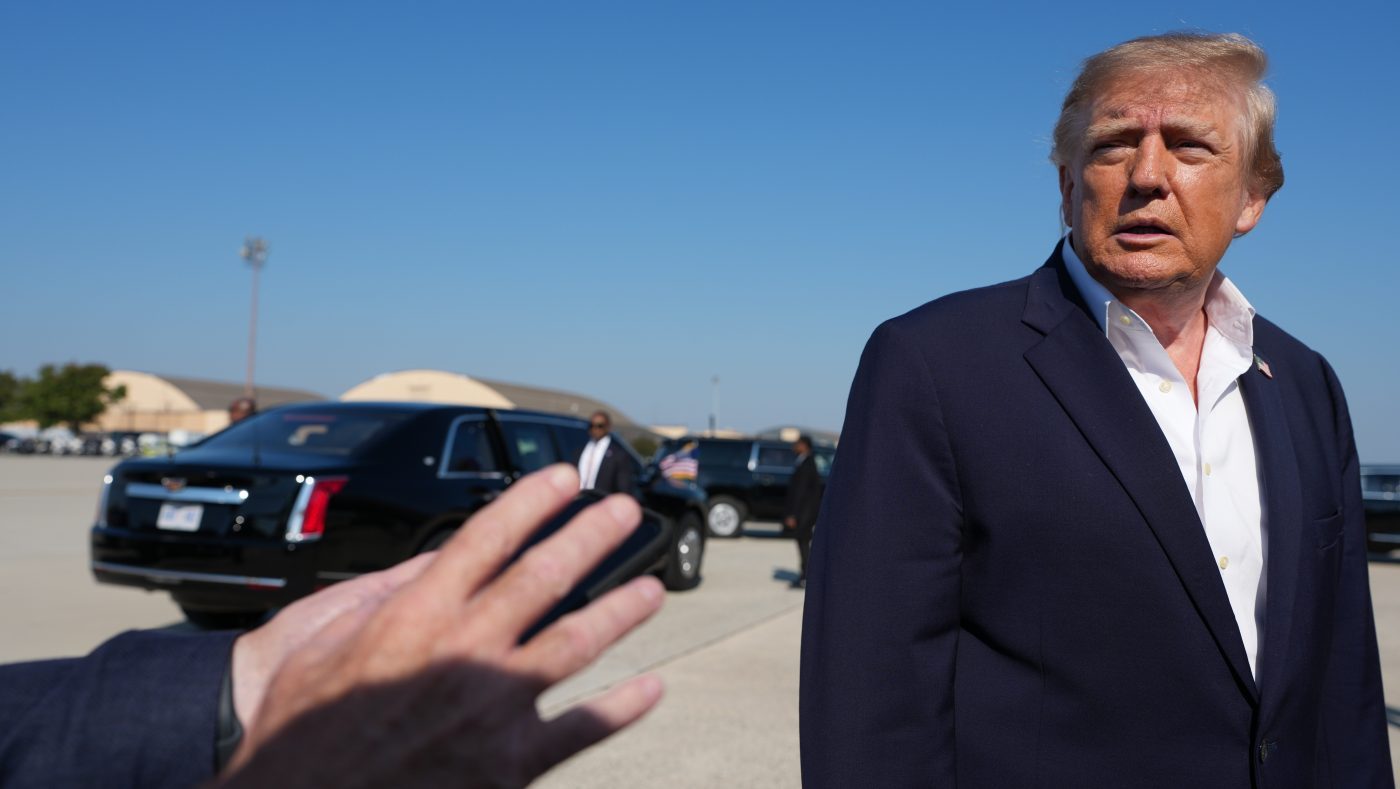
Speaking to reporters at Joint Base Andrews before departing for a campaign rally in Texas, Trump said, "I will respect the results if they're honest elections." The remark adds to a growing pattern of preemptive skepticism about the electoral process, particularly in competitive races.
His comments follow a Monday social media post in which he urged supporters to back Republican Senate candidate Michele Tafoya in Minnesota, warning that "the only way she can lose is if they cheat by playing games with the Ballots as they come in." He also declared that the federal government would be "watching closely" for fraud in that race.
Democrats responded sharply. Senator Tina Smith of Minnesota accused Trump of "blatantly laying the groundwork to steal an election if his chosen candidate doesn't win," adding that Minnesota voters have rejected him three times and are poised to do so again. Her remarks came amid broader concerns about election integrity rhetoric, which some see as a precursor to contesting results—a dynamic that has fueled Democratic optimism in final polling.
The Justice Department has also waded into election-related legal battles. Over the weekend, it filed a lawsuit seeking to block certification of Alaska's Senate race if incumbent Republican Dan Sullivan loses, arguing that a candidate with the same name—Dan J. Sullivan, who is running as a Republican—could confuse voters and undermine the integrity of the vote.
Attorney General Todd Blanche defended the suit in a tense CNN interview on Sunday, asserting that the presence of two similarly named candidates could lead to "Alaskans being confused and not having their vote heard." He did not rule out criminal implications but stressed the risk to voter intent.
Critics view the Justice Department's intervention as an unprecedented federal intrusion into state election processes, especially given the president's own statements. Some legal experts note that such actions could set a dangerous precedent for how the federal government engages with election administration.
Trump's remarks and the administration's legal maneuvers come as the midterms approach, with control of Congress at stake. The president has repeatedly questioned the integrity of U.S. elections without providing evidence, a stance that has intensified debates over voting rights and election security.
As the campaign season enters its final days, the focus on election integrity is likely to remain central, with Democrats urging vigilance and Republicans countering that they are protecting against fraud. The coming week will test how these competing narratives play out at the ballot box.