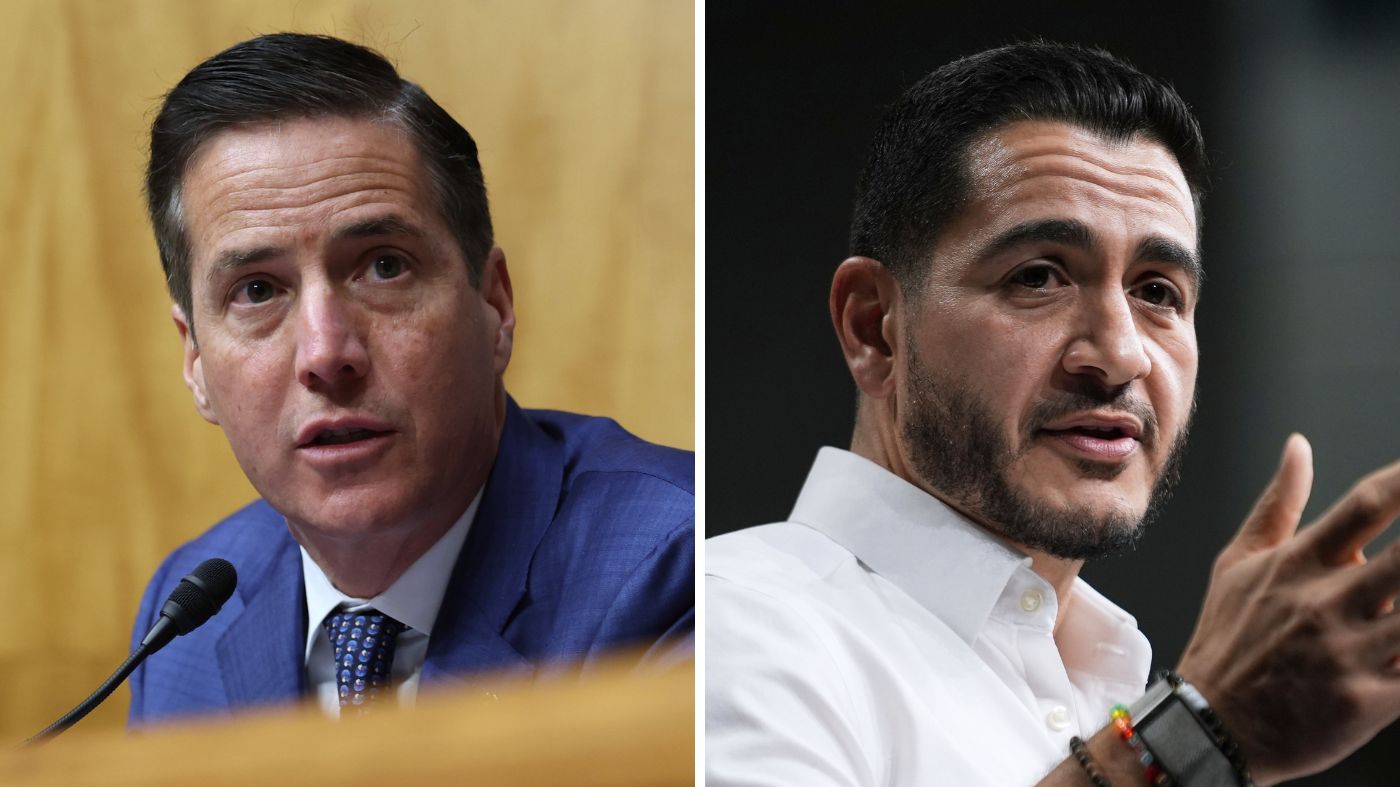
A new political advertisement from Cenk Uygur's Rebellion PAC is drawing sharp criticism from a Michigan Democrat who says it distorts the debate over U.S. aid to Israel and could hurt her party's chances in the upcoming elections.
Rep. Haley Stevens, who recently lost a primary to Abdul El-Sayed in Michigan's Senate race, took to social media to condemn the ad. She wrote that the ad's framing—which suggests that American taxpayers are struggling because of billions sent to Israel—is both inaccurate and politically damaging.
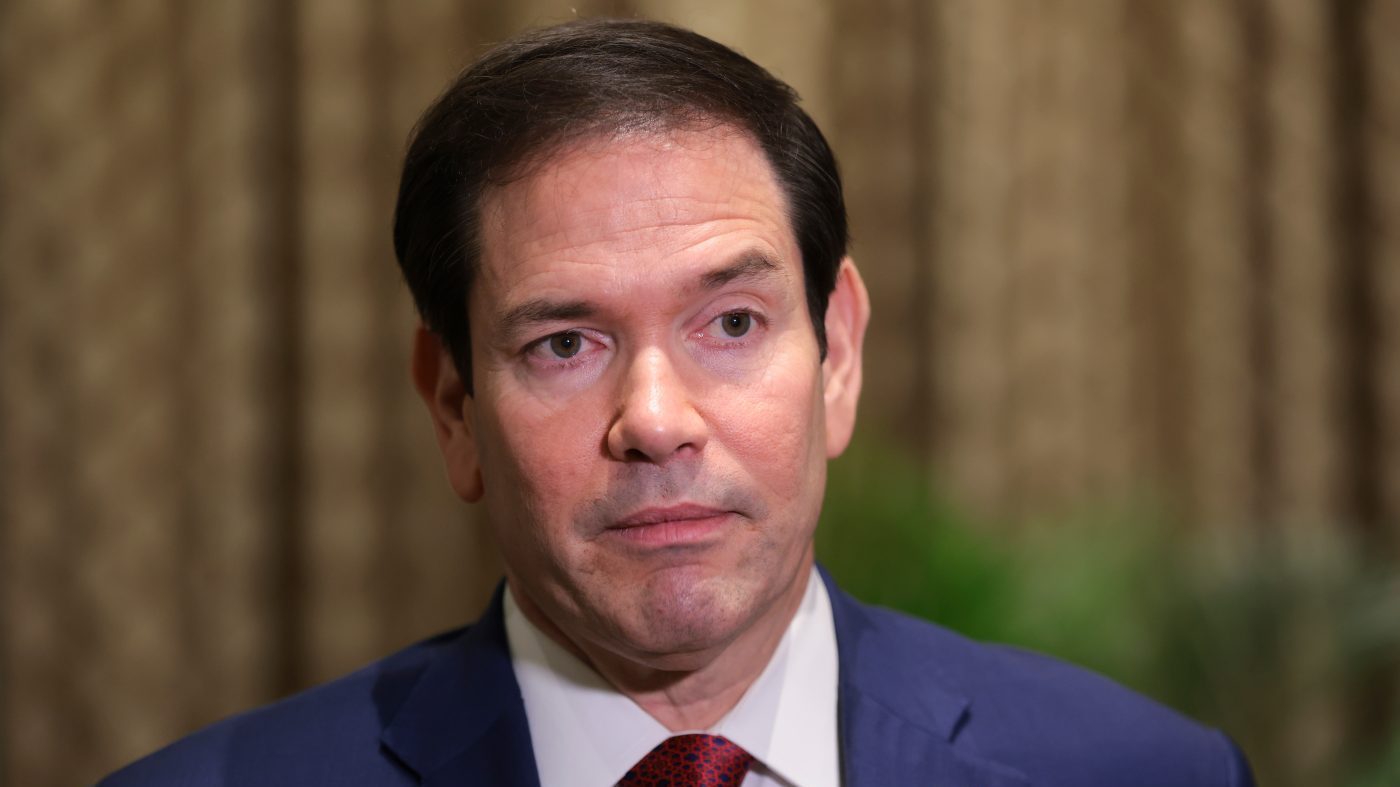
“This type of fearmongering about Israel is wrong. It is not a winning strategy for any state. It does nothing to help Michigan Democrats win up and down the ballot in eight days,” Stevens posted on X. She argued that the real drivers of high costs are domestic issues like housing, healthcare, and the federal tax code, not aid to Israel.
Stevens is not alone in her criticism. New York Times columnist David French called the ad “vile,” noting that it ignores the terrorist violence Israel has faced. “One does not have to agree with all Israeli policies (I certainly don’t) to know that this is a grotesque caricature,” he wrote.
The ad, which appears to support El-Sayed's Senate bid and other Democrats, claims that Republicans will send every last dollar to Israel while Americans struggle with inflation. But as the original commentary pointed out, the $26 billion referenced in the ad was appropriated by Congress two years ago with bipartisan support and signed by President Biden. It funds Israeli security and U.S. military operations against terrorists in the region—not, as the ad implies, a campaign to kill Palestinians.
While skepticism about foreign aid is legitimate, the ad's emphasis on Israel as the cause of domestic economic pain is misleading. The U.S. faces a trillion-dollar deficit driven by broad spending on defense, Medicare, and Social Security. Israel's share is a fraction of that. As the commentary noted, Democrats are proposing an expansive and expensive agenda that would increase spending on healthcare and education, not reduce it. And they are not promising significant cuts to defense either.
The ad also ignores the fact that Republicans, with a few exceptions like Sen. Rand Paul, have been complicit in the spending spree that fuels inflation. But the commentary argued that at least GOP economic policy tends to support growth, whereas far-left proposals from figures like Bernie Sanders and Elizabeth Warren could be more damaging.
Stevens' rebuke highlights a broader tension within the Democratic Party over how to handle the Israel issue, especially in states like Michigan with significant Arab American and Jewish populations. The political future of figures like Ocasio-Cortez may also be linked to this race, as the party's left wing pushes for a more critical stance toward Israel.
As the election nears, Democrats are wary of alienating voters with ads that blame Israel for domestic problems. The renewed threat of U.S.-Israel strikes on Iran adds another layer of complexity, and the calls for Israel to moderate its government reflect the sensitivity of the issue.
Ultimately, the debate over foreign aid is a distraction from the real economic challenges facing American families. As Stevens said, Democrats should focus on lowering costs and fixing the tax code—not on scapegoating Israel. Voters should see through the ragebait and consider what policies will actually deliver prosperity.