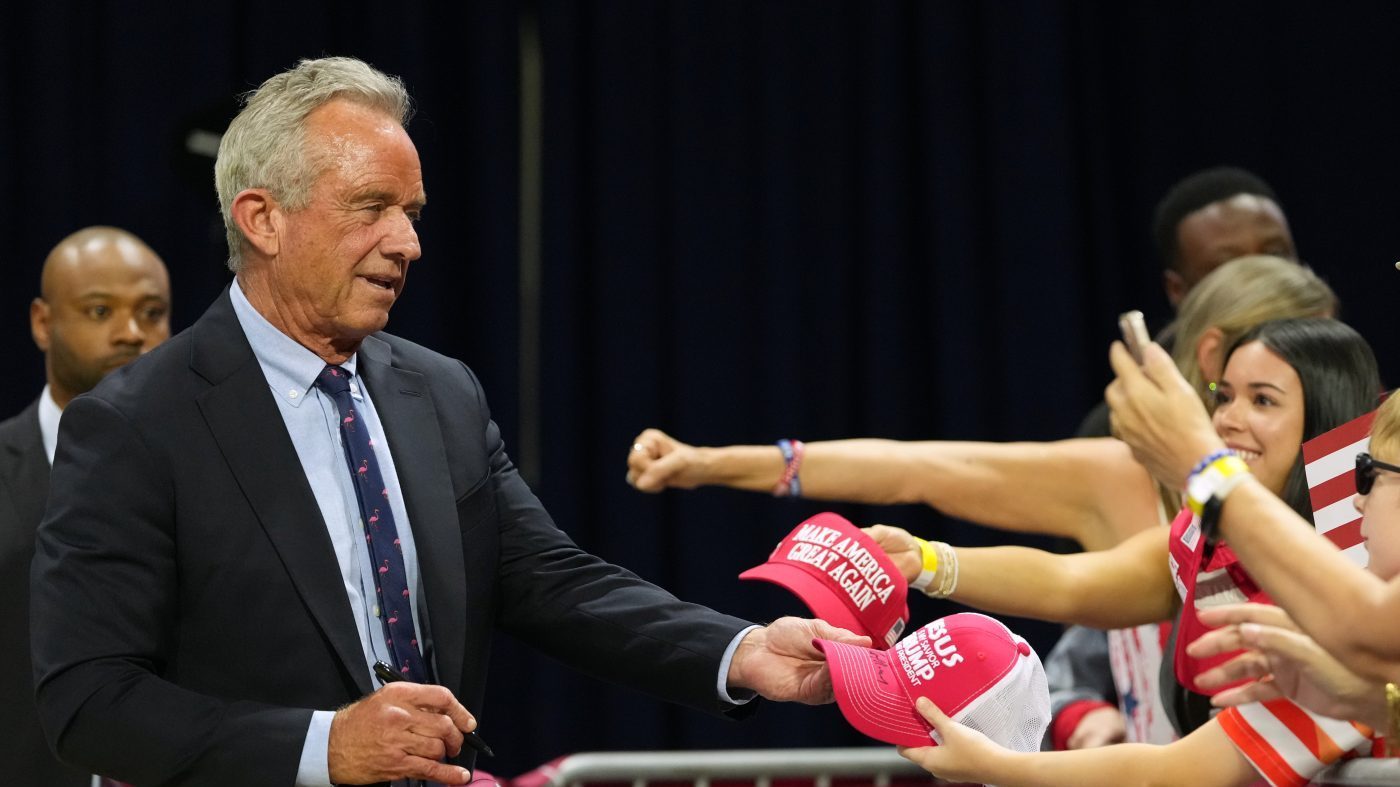
Health and Human Services Secretary Robert F. Kennedy Jr. announced Monday that more than 250 hospitals have committed to serving healthier meals to patients, marking a significant expansion of his “Make America Healthy Again” (MAHA) agenda and its emphasis on treating food as medicine.
Speaking at a press conference hosted at the Corewell Health Lifestyle and Culinary Medicine Practice in Grand Rapids, Michigan, Kennedy said he expects improvements in patient satisfaction, pointing to early adopters as evidence of the initiative’s potential.

“We expect that we’ve already seen good results on that from the changes in the hospital food at Tampa General, which was one of the first hospitals to actually change its menu,” Kennedy said. “They are looking — that hospital is looking on its own at measuring actual health outcomes. We’re confident that that’s going to happen.”
The pledge, named “Make Hospital Food Healthier,” requires participating hospitals to “review the latest nutrition science and use evidence-based dietary practices to strengthen food service programs.” Specific changes include limiting sugar-sweetened beverages and refined carbohydrates while increasing fiber-rich whole grains. Hospitals that sign the pledge will receive a badge to display on their websites, signaling their commitment to the initiative.
Tina Freese Decker, president and CEO of Corewell Health, explained at the press conference that the meals provided under the pledge would be customized to individual patient needs.
“We really work with our physicians and nutritionists and clinicians to make sure that it’s as healthy as possible,” said Freese Decker. “We serve thousands of people every day, three times a day, plus our team members, and each meal is organized by what they need, what is going on with their life, their chronic illness, why they may be in the hospital, and so we really work to customize it.”
The announcement comes as Kennedy’s MAHA agenda continues to shape federal health policy, though it has drawn criticism from some Democrats who argue it undermines public health programs. The move also aligns with broader efforts to integrate nutrition into medical care, a concept gaining traction among health policymakers.
Hospitals participating in the pledge include a mix of large academic medical centers and community hospitals, though the full list has not been publicly released. The initiative is voluntary, but Kennedy signaled that federal incentives might follow for institutions that demonstrate improved patient outcomes.
This push is part of a wider political battle over health care, with doctors flooding midterm races as Democrats counter MAHA’s influence. Meanwhile, the broader health care landscape faces challenges, including rising premiums and falling enrollment, which could affect hospital budgets and their ability to invest in nutrition programs.
Kennedy’s focus on hospital food is part of a larger strategy to leverage federal authority to reshape American dietary habits, a theme he has championed since taking office. The pledge’s badge system is designed to create public accountability, allowing patients to identify hospitals that meet the new nutritional standards.
Critics question whether voluntary pledges will lead to meaningful change, but supporters argue that even incremental improvements in hospital meals could have significant public health benefits, particularly for patients with chronic conditions like diabetes and heart disease.