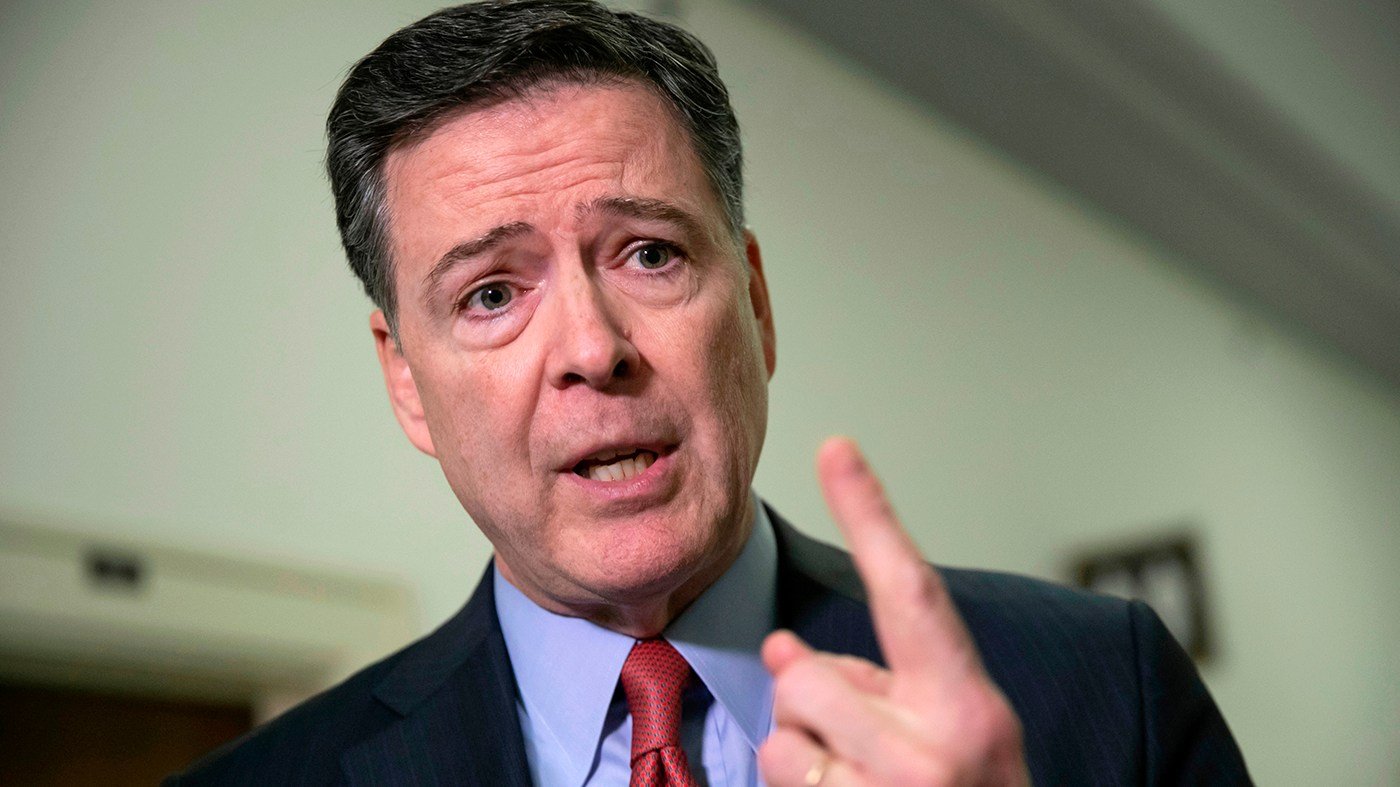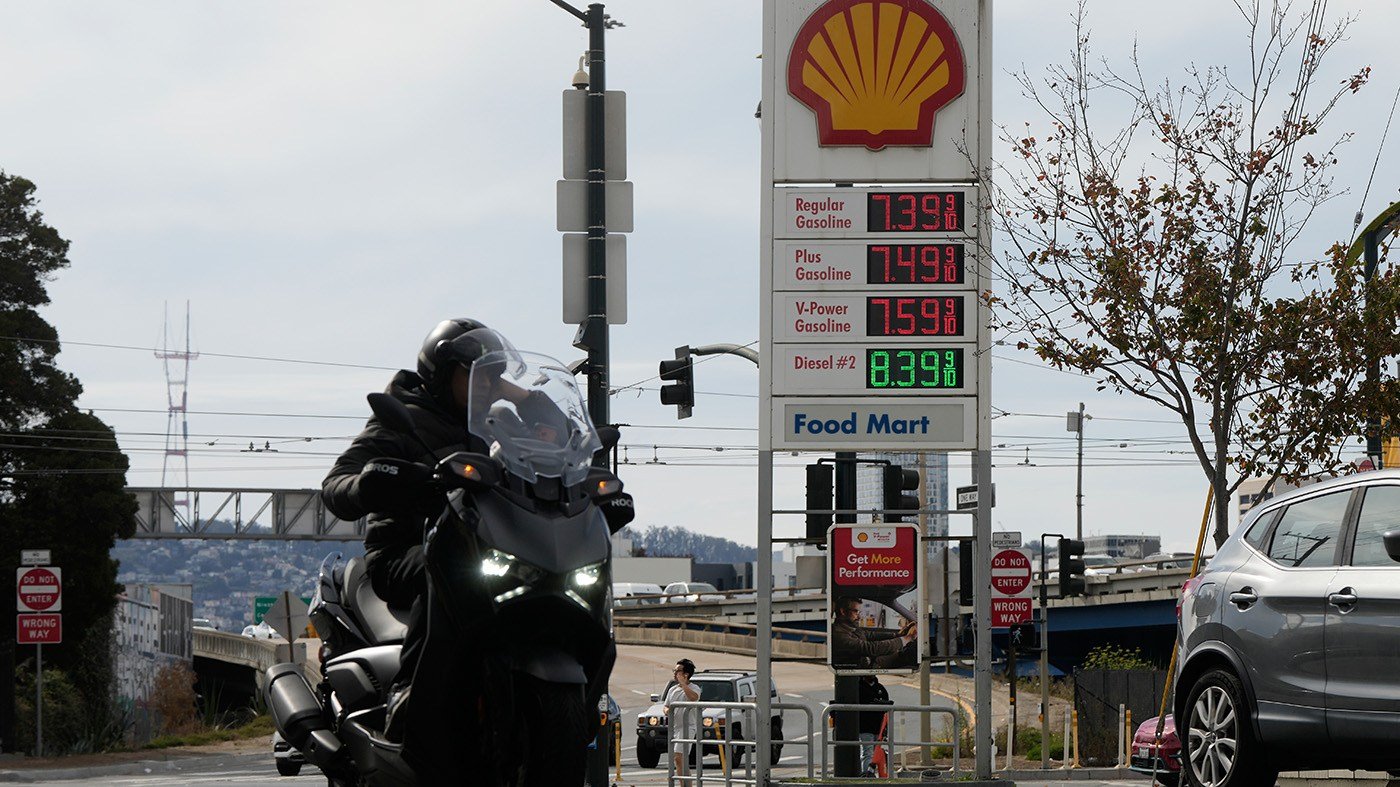
With the midterm elections just days away, soaring fuel costs have become a political liability for Republicans, who are bracing for voter backlash over the highest gas prices in years. The national average for a gallon of regular gasoline hit $4.29 on Monday, up $1.23 from a year ago, according to AAA data. Diesel prices have climbed even more sharply, pinching farmers, truckers, and rural communities that form the GOP's core constituency.
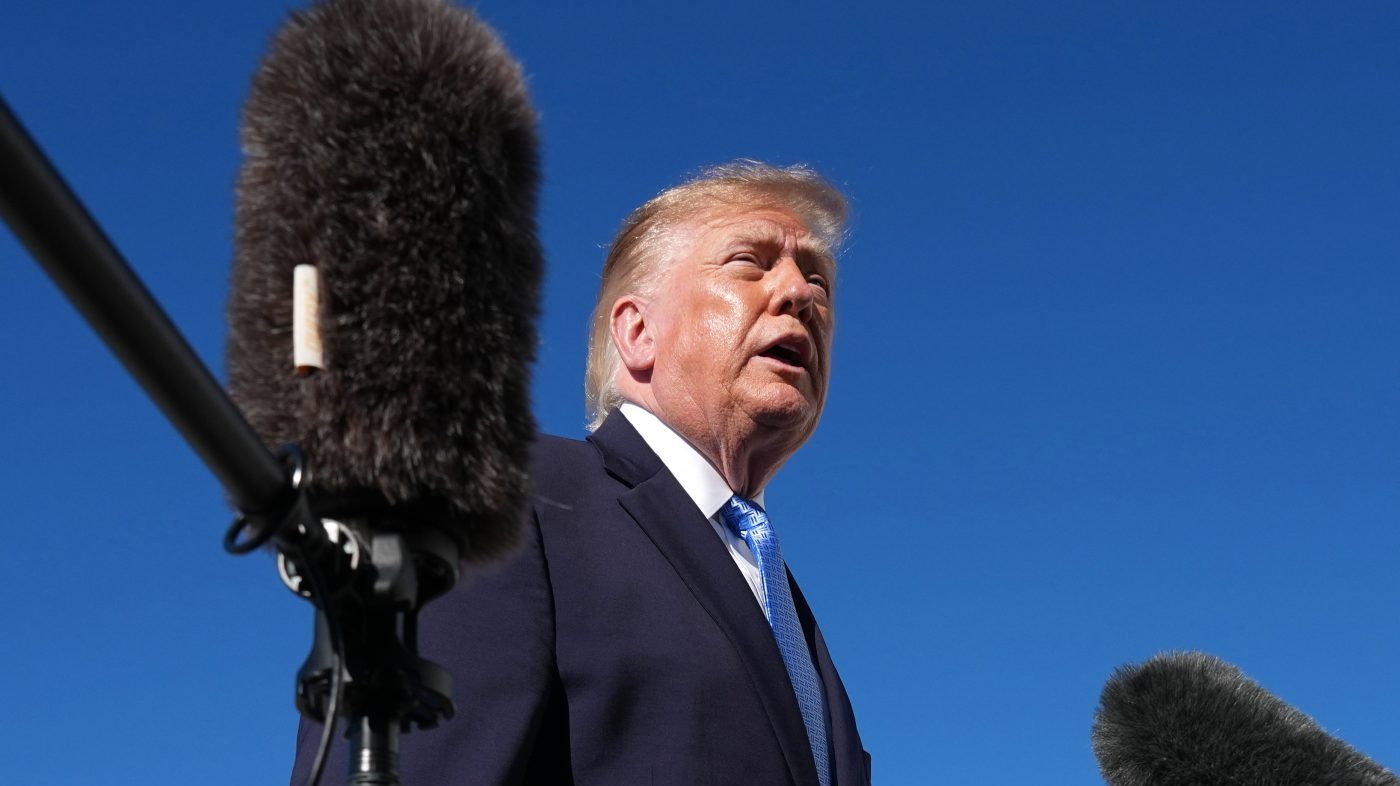
President Trump's approval rating on the economy has cratered amid the price surge. A CNBC poll released this month found that 65 percent of registered voters disapprove of his handling of the economy, up from 60 percent in July. That erosion is particularly dangerous for Republicans in competitive districts and states, where even small shifts in turnout or independent voters can decide outcomes.
"I expect it to be a leading cause of Republicans' political woes in this midterm election," said Matt Dallek, a professor of political management at George Washington University. "The problem for a party in power with the price of gas is that ... you see it everywhere you go. People talk about the cost of living and inflation, you know, it's very abstract, but gasoline ... makes it very concrete."
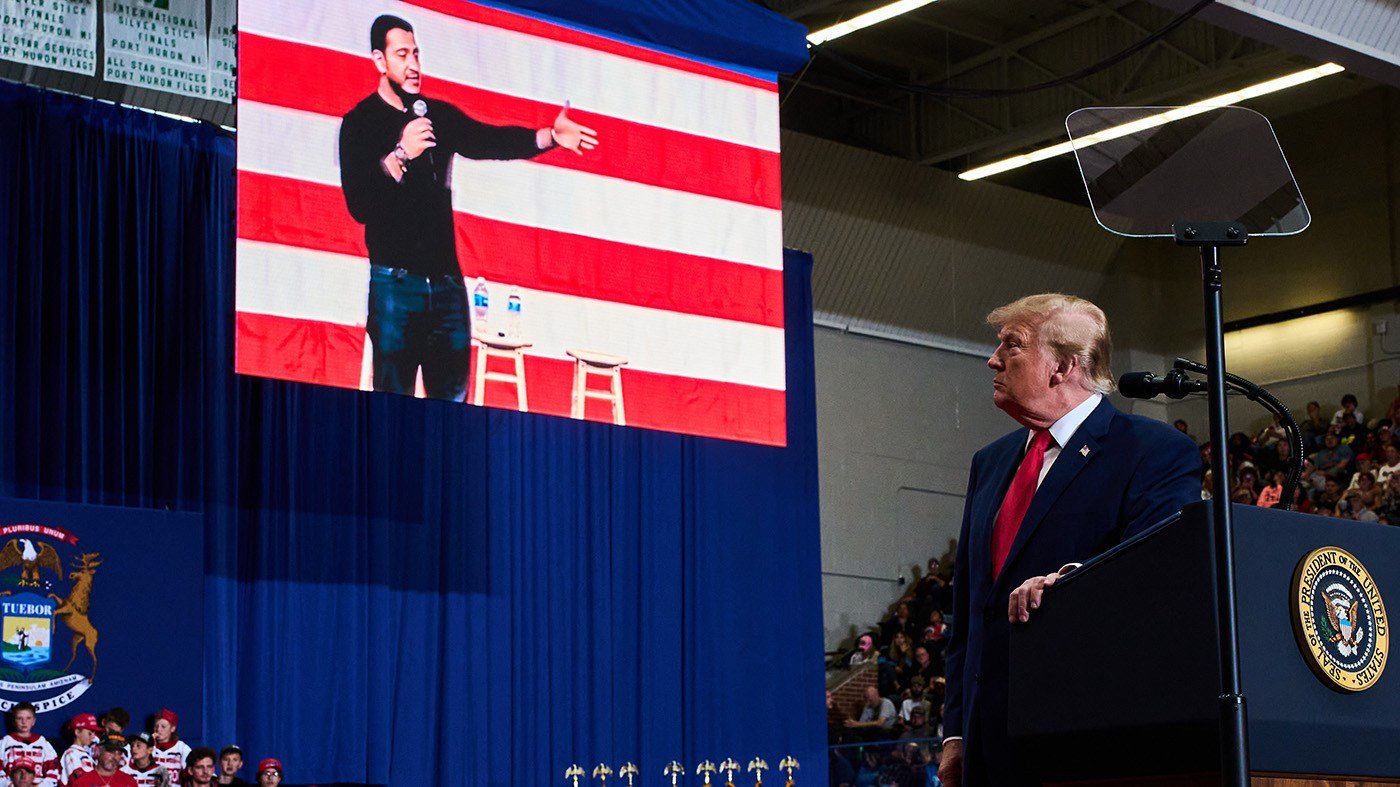
Democrats have seized on the issue, hammering Republicans for supporting the Iran war, which they argue has disrupted global oil markets. In Michigan's Senate race, Democrat Abdul El-Sayed attacked his opponent, former Rep. Mike Rogers, during a debate: "The consequences of this war are that you are paying nearly $5 in gas. You're paying more in groceries because of the price of diesel. He has cheerlead this war all along because he stands hip-to-hip with Donald Trump."
In Iowa, Democratic Senate candidate Josh Turek released a closing ad on Monday accusing Republican Rep. Ashley Hinson of voting "over and over for policies that have jacked up prices," while pledging to work to lower them. In farm-heavy states like Iowa and Kansas, where Republicans hold Senate seats, diesel prices are a major flashpoint. In Maine, heating oil costs have become a central issue in the Senate race, with Democrat Troy Jackson noting that "we're paying 80 percent more this year than we were last year for heating oil." (Sen. Susan Collins has voted to halt military actions in Iran, though other Republicans have blocked such measures.)
Democrat-aligned groups are running targeted ads on fuel costs in key House races, using man-on-the-street interviews and even placing stickers on gas station pumps that blame the GOP. "It's cutting through more than other issues because you don't need to talk politics for people to be seeing how it's hurting them," said Democratic strategist Eddie Vale, who is working on a Wisconsin campaign. He believes the issue could flip moderate Republicans or blue-collar Democrats who previously backed Trump, and may also depress turnout among right-wing voters who feel "disappointed" and "disbelieving" in Trump's promises.
Republican strategist Keith Naughton acknowledged the peril. "Gas prices are a negative for the Republicans," he said. "They're the party in power, and gas prices have clearly gone up ... and then diesel prices have gone up in particular ... and that really goes at a vote base for them." He noted that losing even a slice of rural and working-class voters could tip close races. His advice: change the subject to cultural issues and argue that Democrats lack real proposals—though he conceded, "It's a huge challenge, but I mean, I don't think you've got many other options."
Research supports the political danger. Laurel Harbridge-Yong, a political science professor at Northwestern University, said her studies show that "even controlling for other economic measures ... rising gas prices were associated with declining presidential approval." In midterms, she explained, "gas prices have almost a double penalty" for the president's party, since they hurt both the president's standing and perceptions of the economy. With polls showing the race tightening, Republicans are scrambling to counter the narrative, but for now, the pump price remains a stubborn reminder of the costs of the war in Iran—a conflict that may escalate after November and keep energy markets volatile.