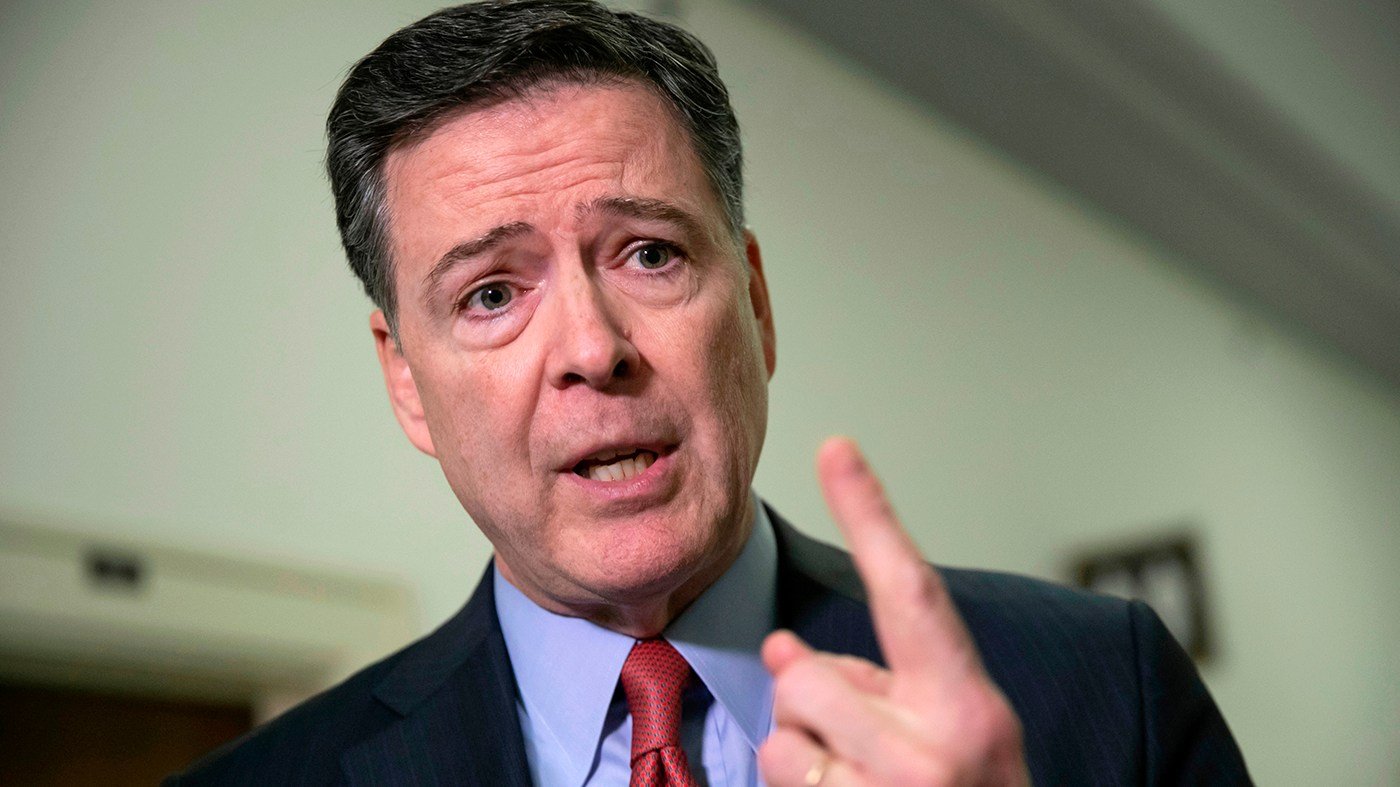
The Justice Department has filed new criminal charges against former FBI Director James Comey, accusing him of unlawfully disclosing national defense information in 2016. The charges, unsealed Monday at Comey's request, mark the third federal prosecution brought against him by the Trump administration.
Court records show Comey was charged with two counts on Oct. 5, but the complaint remained sealed until a federal judge granted his motion to make it public. The exact nature of the alleged disclosures has not been detailed in the unsealed documents, but they relate to his tenure at the FBI during the 2016 election cycle.
This latest action follows two other federal cases against Comey. In North Carolina, he faces charges tied to a now-deleted social media post featuring seashells arranged to read "86 47," which prosecutors claim was a threat against President Trump's life. That case has drawn criticism from legal experts who argue the interpretation is strained.
The new indictment is part of a broader pattern of the administration targeting perceived political enemies, a move that has intensified scrutiny of the Justice Department's independence. Critics have pointed to similar prosecutions of other Trump opponents, including allegations of weaponizing the justice system against lawmakers like Ilhan Omar.
Comey's legal team has consistently denied any wrongdoing, portraying the charges as politically motivated retaliation for his role in the Russia investigation and his public criticism of Trump. "Director Comey has never compromised national security, and these baseless charges will be vigorously contested," a spokesperson said.
The case has also drawn attention to the administration's aggressive use of espionage-related statutes, with some legal scholars questioning whether the alleged conduct meets the high bar for such charges. In a related development, a court recently ruled that the DOJ illegally fired Comey's daughter and ordered back pay, highlighting the administration's pattern of personnel actions against Comey's family.
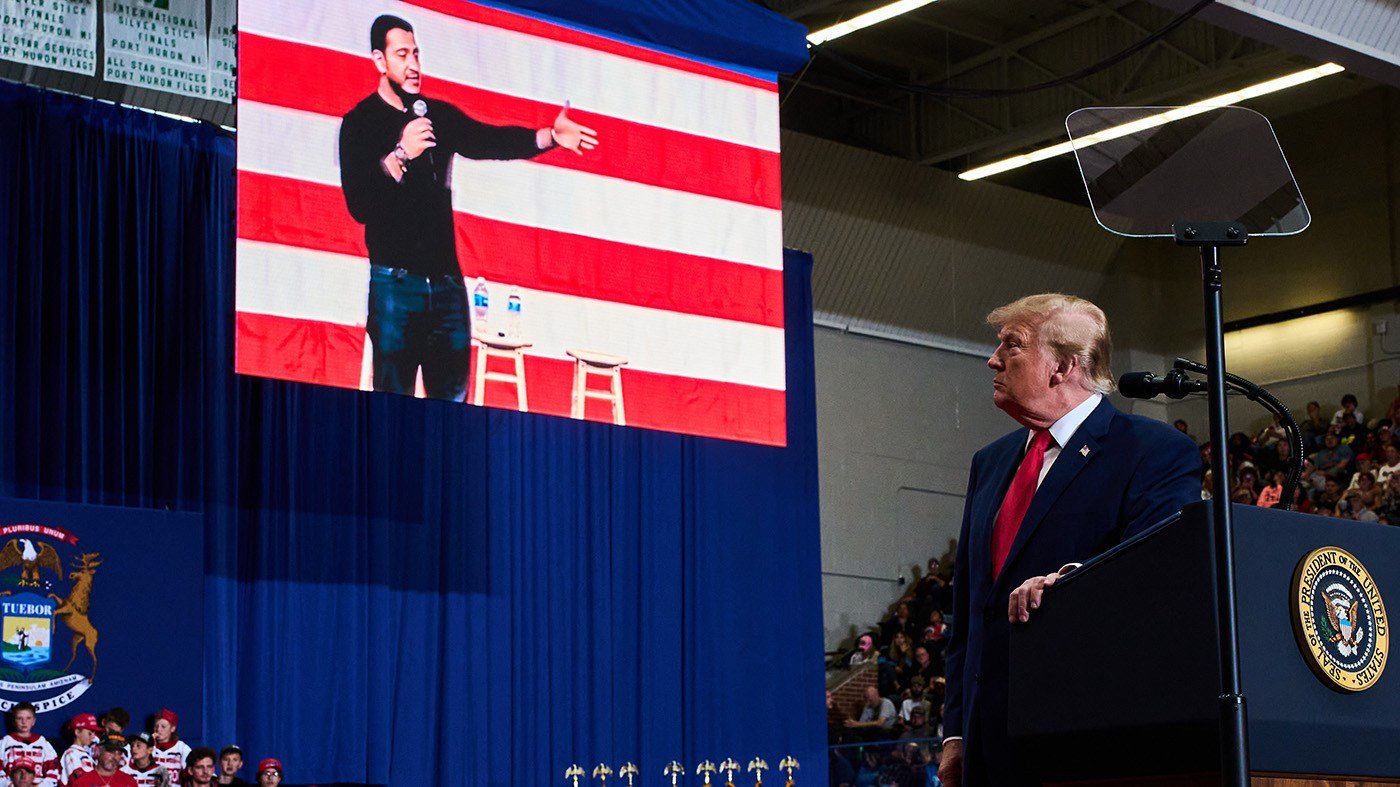
Meanwhile, the president has continued to rail against Comey at rallies, including a recent campaign stop in Ohio, where he reiterated claims of a "deep state" conspiracy. The timing of the unsealing—just days before the midterm elections—has raised concerns about political interference in the judicial process.
Legal analysts note that the case may face significant hurdles, including questions about the statute of limitations and the classification of the information allegedly disclosed. The Justice Department has not yet set a trial date, and Comey is expected to appear in court in the coming weeks.
This is a developing story. More details will be added as they become available.