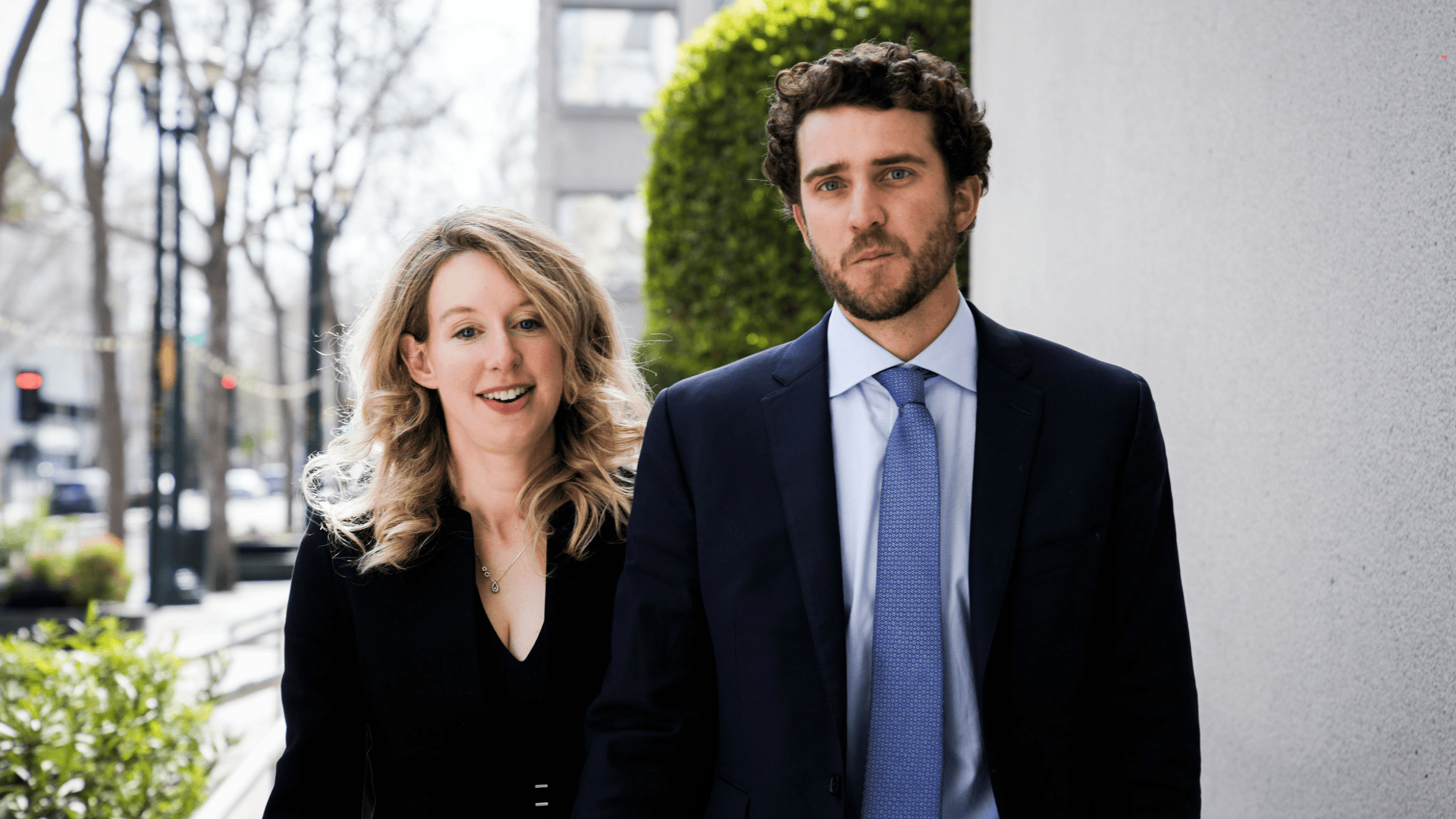
Nearly a decade after her role in exposing the fraud at Theranos, whistleblower Erika Cheung remains skeptical about Elizabeth Holmes' capacity for genuine reform. In a recent interview, Cheung voiced concerns about Holmes' latest venture, an artificial intelligence startup co-founded with her partner, William "Billy" Evans.
"I don't think that she can really be trusted," Cheung told NewsNation's Chris Cuomo. "She plays a lot of revisionist history." Cheung, a former Theranos lab associate, argued that Holmes has yet to demonstrate a willingness to "take ownership or accountability for the things that she's done."
The new AI company, which has not been publicly named, has drawn attention not only because of Holmes' infamous past but also because of the technology's potential impact. Cheung said the news is concerning, though she acknowledged a nuanced view: "There should be opportunities for people to redeem themselves."
Holmes was convicted in 2022 on charges of defrauding investors in Theranos, a blood-testing startup that once promised revolutionary diagnostic capabilities but delivered unreliable results. She is currently serving an 11-year prison sentence, though she has remained active in exploring new business ideas from behind bars, according to reports.
The development comes as the federal government has been expanding whistleblower incentives, a policy shift that Cheung says could encourage more insiders to come forward. "It's important that we have mechanisms that protect people who speak out," she said, pointing to the need for oversight in emerging tech sectors.
Cheung's skepticism is rooted in her experience at Theranos, where she and other employees raised alarms about the company's testing equipment. Her efforts were later chronicled in documentaries and books, including the recent Nathan Fielder documentary that drew huge audiences.
While Cheung says she is open to the idea of redemption, she insists that Holmes has not met the bar. "She hasn't shown any real remorse or understanding of the harm she caused," Cheung said. "That's what worries me about her new venture."
The AI startup, which reportedly focuses on healthcare applications, has not yet released details about its products or funding. However, given Holmes' track record, industry observers are watching closely for any signs of the same patterns that led to Theranos' collapse.
Cheung's comments also touch on broader concerns about accountability in Silicon Valley, where founders often face minimal consequences for failure. She noted that whistleblower programs are becoming more prominent, but she argues that they are only effective if companies are truly held to account.
As Holmes continues to pursue new ventures from prison, the question remains whether she will ever fully own her past. For Cheung, the answer is not yet. "I would love to see her take real responsibility," she said. "But I'm not holding my breath."