For decades, federal policy has pushed virtually every high school graduate toward a four-year college degree, backed by an open spigot of taxpayer-backed loans. The result: a $1.7 trillion student debt burden carried by nearly 43 million borrowers, many of whom earned degrees with little labor-market value. As of late last year, nearly 11% of federal student loans were in default—roughly 9 million borrowers. According to the Education Data Initiative, 42% of student borrowers have had to choose between making loan payments and covering basic needs.
This policy, rooted in good intentions but blind to consequences, has also starved the economy of skilled tradespeople. A century ago, public schools offered robust vocational training—shop classes, engine repair, welding—funded in part by the Smith-Hughes Act of 1917 and expanded under President Lyndon B. Johnson in 1963. Johnson proudly noted that federal vocational education laws had funneled $1.7 billion to the states over 50 years. But by the late 20th century, these programs were dismantled amid concerns that they tracked students, often minorities and low-income kids, into blue-collar jobs rather than college.
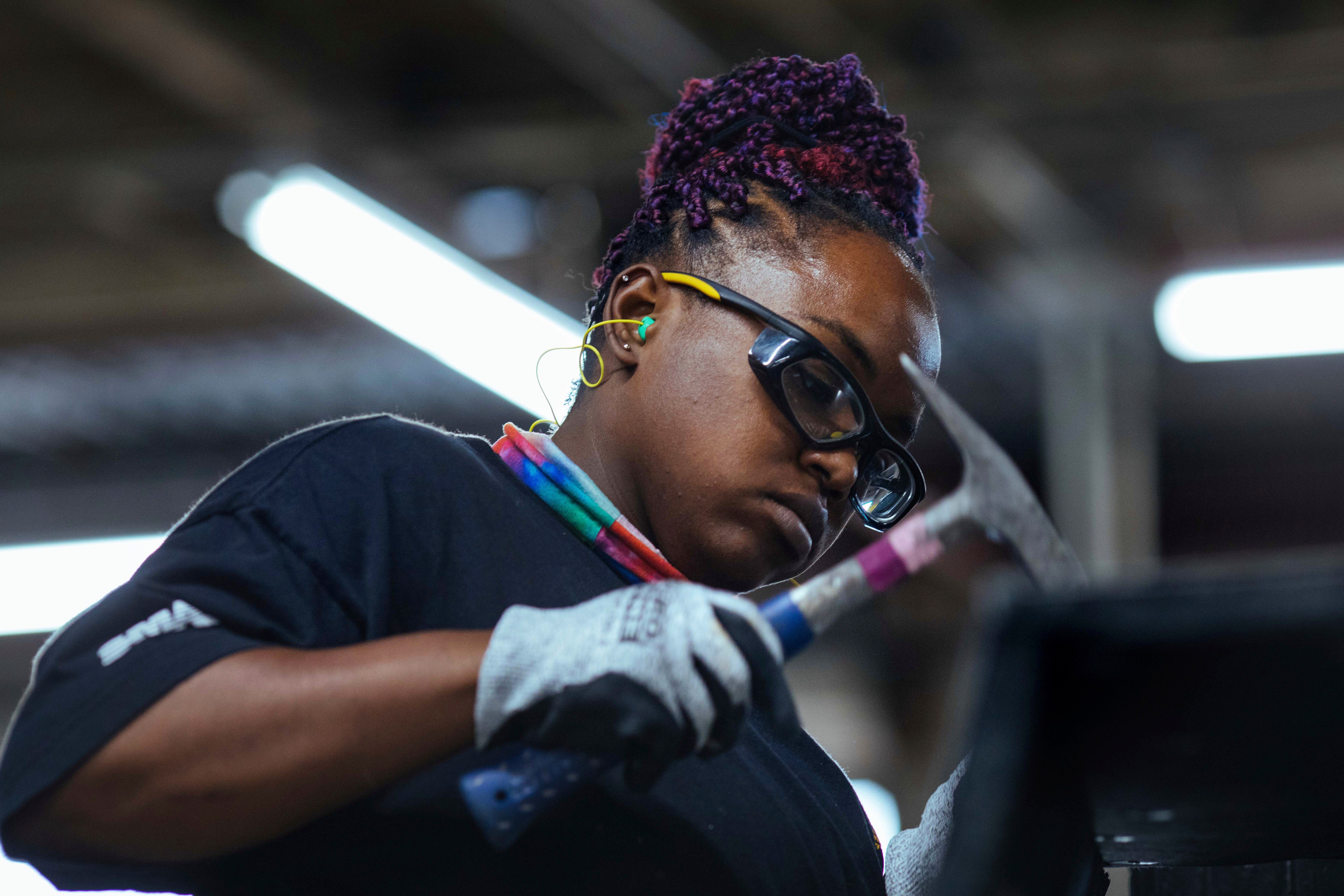
The shift away from vocational training has left a generation of young adults with philosophy or English degrees, crushing debt, and few job prospects, while employers desperately seek electricians, plumbers, and construction supervisors. The demand is only accelerating as the nation races to build data centers and other infrastructure for artificial intelligence. The shortage is so acute that the unemployment rate for workers aged 22–34 without a college degree is near a 20-year low, and opportunities for skilled trades have never been better.
Meanwhile, the cost of college has spiraled. Fifteen institutions, including Duke, Vassar, and Fordham, now charge more than $100,000 per year, putting them out of reach for all but the wealthiest families or those with generous scholarships. Yet higher tuition doesn't guarantee better returns. The Wall Street Journal's return-on-investment analysis found Harvey Mudd College—at $104,512 a year—ranked 50th in graduate earning power, while the University of Chicago ranked 60th and Duke 166th, despite both charging six figures.
The earnings premium for college graduates is shrinking. While degree holders still earn more on average—unemployment for those 25–54 was 2.7% over the year ending in July, versus 4.7% for high school graduates—the gap has narrowed significantly. AI is reducing demand for entry-level white-collar jobs, while the need for skilled tradesworkers is only growing.
Policymakers are beginning to respond. Vice President Vance is set to launch a manufacturing training initiative at a new foundry school, and the Education Department is moving to strip the American Bar Association of its accreditation power, a move that could reshape legal education. But the core problem remains: a federal student loan system that encourages indiscriminate borrowing, with no regard for whether a degree will pay off.
The solution is not to discourage college but to restore choice. That means reinvesting in vocational education, making apprenticeships more accessible, and ensuring that young people understand the economic value of skilled trades. As the country faces a $1.7 trillion debt hangover and a critical labor shortage, the case for a more balanced approach has never been stronger.