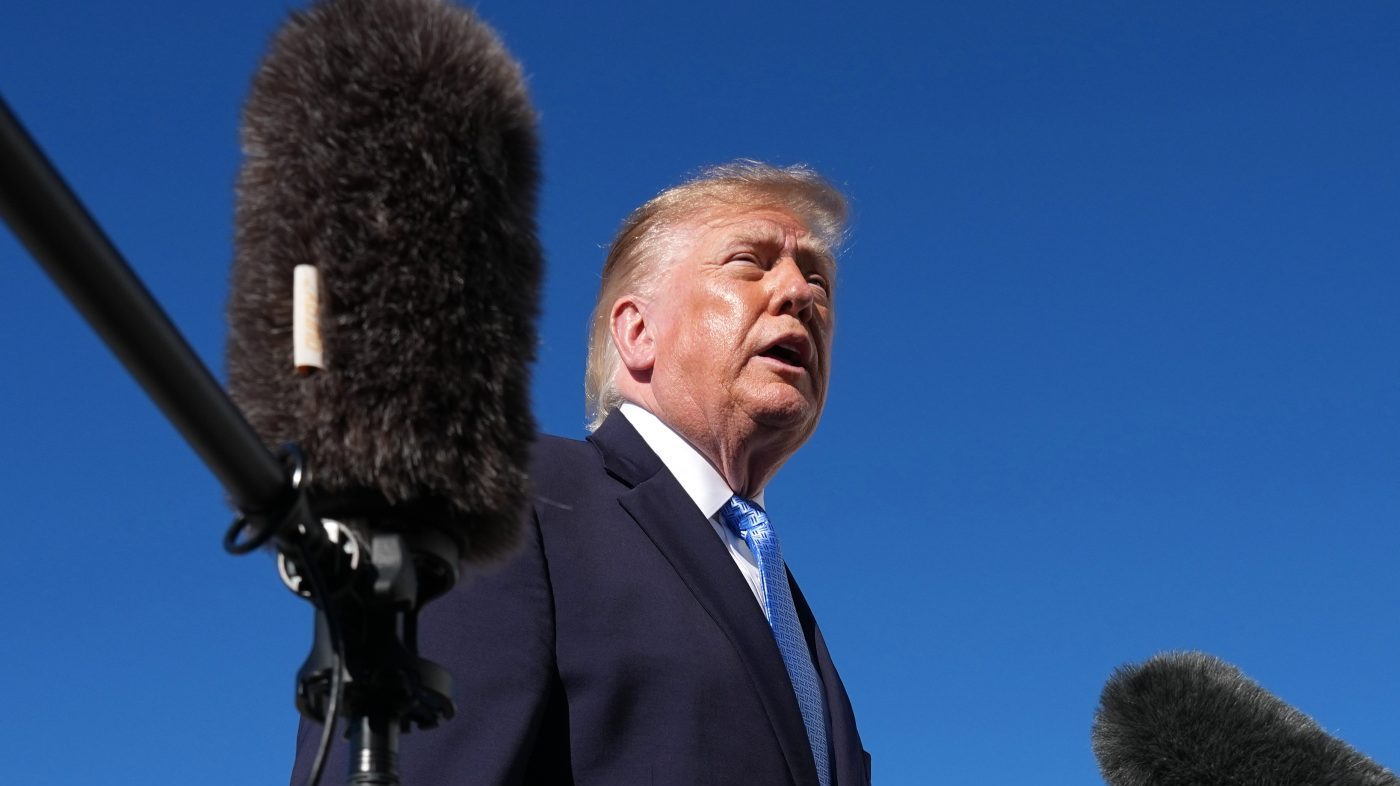
President Donald Trump spoke at the Pentagon on Friday morning to commemorate the 25th anniversary of the September 11, 2001 terrorist attacks, honoring the nearly 3,000 Americans who lost their lives that day. The ceremony, which began at 9 a.m. EDT, included a wreath-laying at the Pentagon memorial and remarks from the president, who reflected on the bravery of first responders and the resilience of the nation in the face of unprecedented tragedy.
The attacks on September 11, 2001, claimed 2,977 victims across three sites: the World Trade Center in New York City, the Pentagon in Arlington, Virginia, and a field in Shanksville, Pennsylvania. At the Pentagon alone, 184 people were killed when American Airlines Flight 77 crashed into the building. The anniversary comes at a time of shifting national security priorities, with the Trump administration having recently rolled back some post-9/11 airport security measures, a move that has drawn both praise and criticism from lawmakers and security experts.
Vice President JD Vance joined the four living former presidents—George W. Bush, Bill Clinton, Barack Obama, and Joe Biden—at the Ground Zero ceremony in New York City, where they observed a moment of silence and laid wreaths in memory of the victims. Bush, who was president during the attacks, has often used anniversaries to reflect on the nation's unity, but his legacy on security policy remains a point of debate, as some analysts see echoes of his preemption doctrine in Trump's approach to foreign conflicts.
A Nation Remembers
The Pentagon ceremony is one of several events held across the country to mark the solemn day. Family members of victims, survivors, and military officials gathered to read names and share personal memories, underscoring the enduring human cost of the attacks. For many, the anniversary is also a moment to assess how the United States has evolved in its fight against terrorism and how it prepares for future threats.
Trump's remarks at the Pentagon focused on honoring the fallen and reassuring Americans of the nation's continued vigilance. He highlighted the military's role in preventing further attacks and paid tribute to the courage of those who rushed into danger. The president's appearance comes amid ongoing debates over national security policy, including the recent rollback of some airport security protocols, which some critics argue could leave the country vulnerable.
Political and Security Implications
The anniversary also carries political weight, with the 2028 presidential race already beginning to take shape. Vice President Vance, who attended the New York ceremony, has been the subject of speculation about a potential bid for the presidency, and his presence at such a high-profile event underscores his growing role in the administration. Meanwhile, Trump's own political future remains a topic of intense interest, as he continues to dominate Republican politics.
Beyond the political maneuvering, the day serves as a reminder of the enduring alliance between the United States and its allies. In a separate reflection, analysts note that UK-US security ties remain vital a quarter-century after the attacks, as both nations confront evolving threats from terrorism and state actors. The cooperation forged in the aftermath of 9/11 has shaped intelligence sharing and military collaboration for a generation.
As the ceremonies concluded, Americans across the country paused to remember the victims and the heroes of that day. The Pentagon memorial, with its 184 benches representing each life lost, stands as a permanent tribute to those who died serving their nation. In his speech, Trump called on Americans to never forget the sacrifices made and to remain steadfast in defending the country against all enemies, foreign and domestic.
The 25th anniversary arrives at a moment of reflection on how the post-9/11 era has reshaped American life, from surveillance and security to foreign policy. Bush's legacy, as explored in analyses of his preemption doctrine, continues to influence debates over military intervention. As the nation honors the past, it also looks forward, grappling with the lessons of a quarter-century of conflict and the challenges that lie ahead.