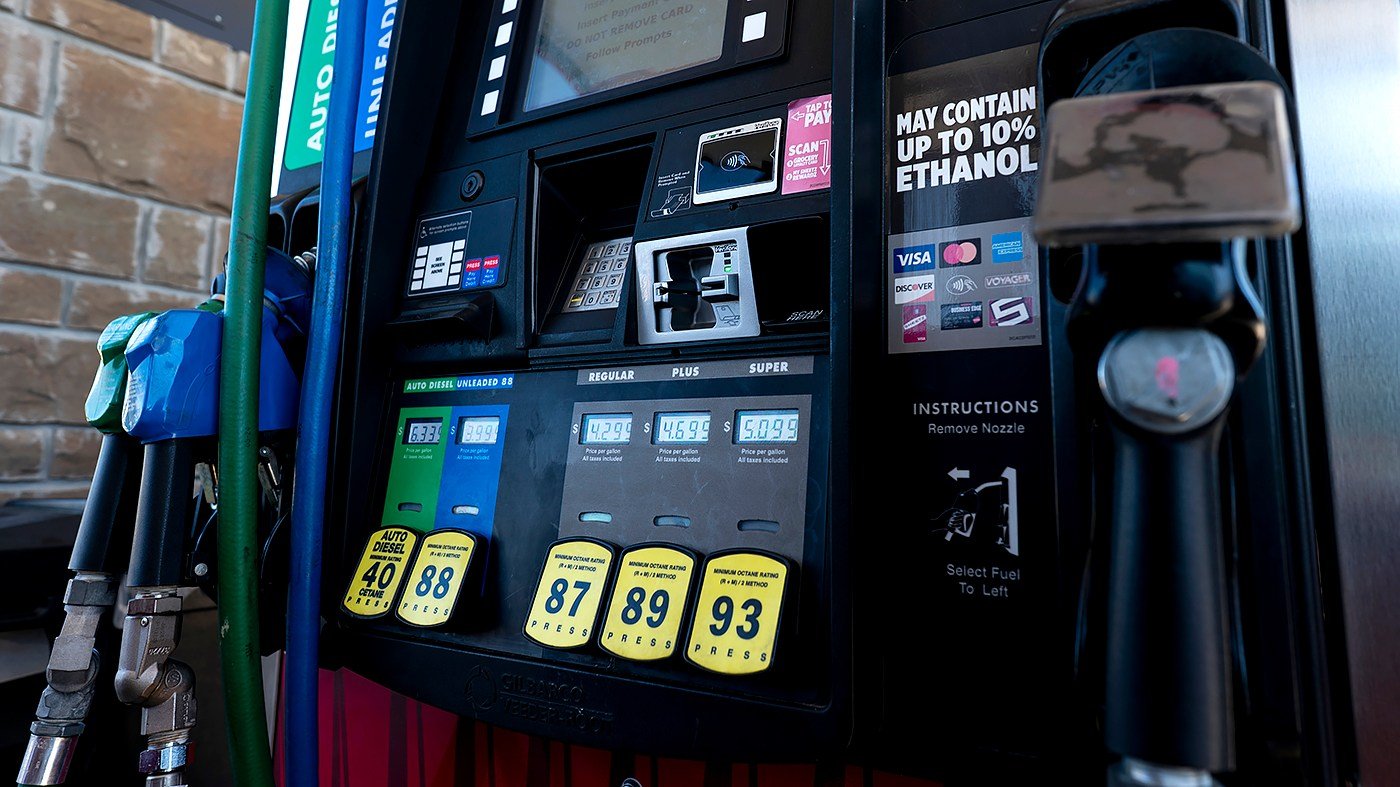
The average price of diesel in the United States soared to a new all-time high on Friday, reaching approximately $6.05 per gallon, according to AAA. That marks a staggering 63% jump from the same period last year, when diesel cost around $3.71. Compared to a month ago, prices have climbed nearly 14%, up from $5.32.
The surge is being driven by a confluence of geopolitical shocks: ongoing U.S.-Iran military exchanges in the Strait of Hormuz and Ukraine's escalating drone strikes on Russian oil refineries. These disruptions are tightening global fuel supplies at a time when demand remains robust.
Impact on Consumers and Economy
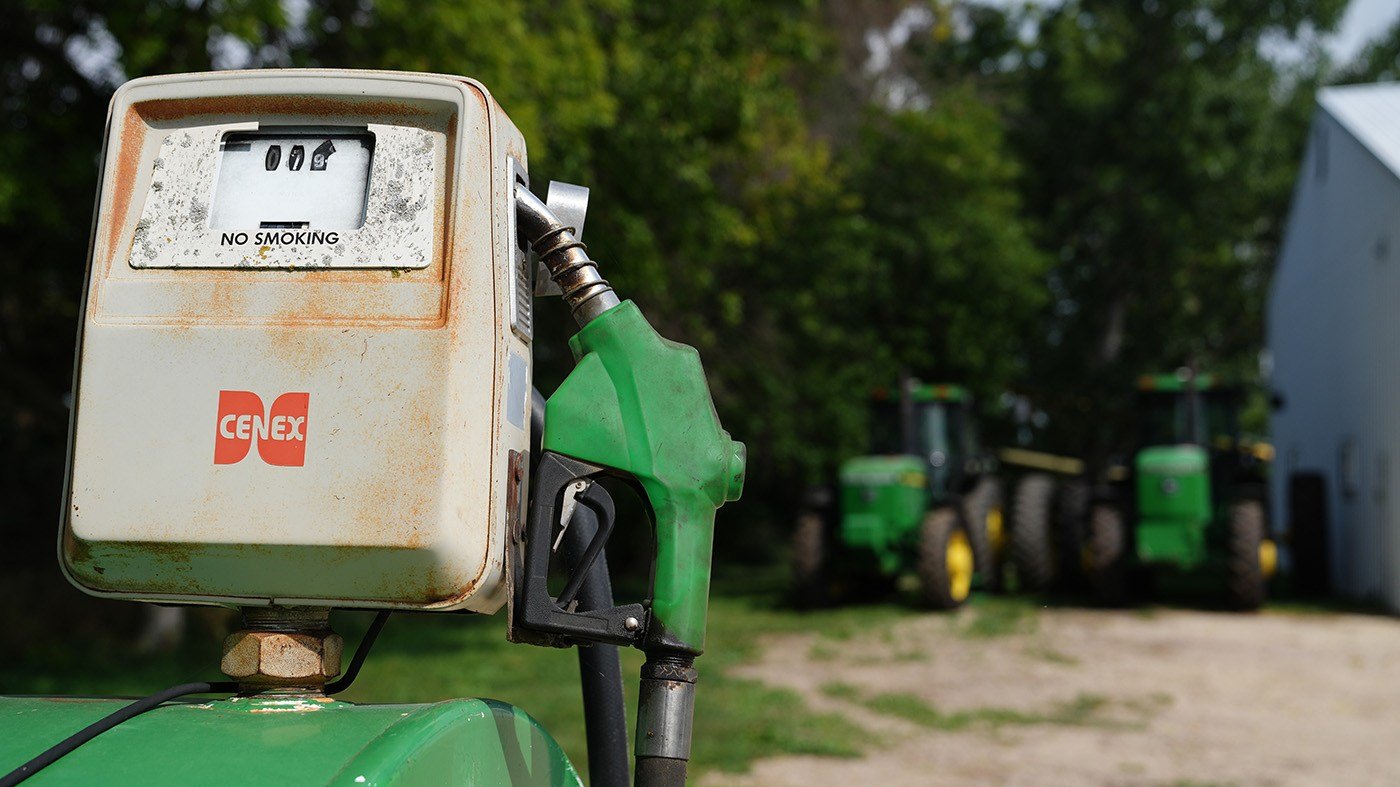
Diesel is the lifeblood of the U.S. freight industry, powering the trucks that deliver goods to stores and warehouses. As diesel costs rise, those expenses are increasingly passed on to consumers, pushing up prices for everyday items. Economists warn that sustained high diesel prices could exacerbate inflationary pressures, complicating the Federal Reserve's efforts to tame price growth.
“Every spike in diesel translates directly to higher shelf prices,” said energy analyst Mark Finley. “This is a hidden tax on American households.”
Ukraine Strikes Deep Into Russia
This week, Ukraine launched a series of attacks targeting Russia’s vital oil infrastructure, marking an escalation in the nearly five-year-old conflict. On Thursday, the Ukrainian military reported hitting a refinery in Siberia, causing fuel shortages in parts of Russia. Moscow responded with retaliatory strikes on Ukrainian urban gas stations, further destabilizing energy markets.
The attacks underscore how the war in Ukraine has evolved into a direct contest over energy resources, with each side seeking to cripple the other’s fuel supply lines.
Strait of Hormuz: A Critical Chokepoint Under Fire
Simultaneously, the Strait of Hormuz—through which roughly 20% of the world’s oil passes—has become a flashpoint. The U.S. military destroyed five Iranian oil tankers earlier this week, prompting Iran to retaliate on Wednesday by attacking ten ships near the strait, including two U.S. vessels and eight oil tankers. Iran also struck a U.S. base in Jordan.
The escalating tit-for-tat has severely restricted commercial traffic through the strait, sending international benchmark Brent crude above $100 per barrel for the first time since late July. On Wednesday, Brent hit $100.72.
These developments are reminiscent of previous supply shocks, but the combination of a hot war in the Middle East and ongoing attacks on Russian refineries creates a uniquely volatile environment. As Labor Day gas prices hit records earlier this summer, the current diesel spike threatens to push overall fuel costs even higher.
Trump's Predictions and Political Fallout
President Trump, speaking Wednesday while en route to the Republican National Committee’s first midterm convention, warned that more strikes against Iran are expected. He framed the military operation as a preventive measure to stop Tehran from developing a nuclear weapon.
Trump also predicted that oil prices would “tumble downward” after November’s elections and once the war concludes. Critics, however, point out that his administration’s policies have done little to stabilize energy markets in the short term.
The diesel price spike is becoming a key political liability for the administration, with Democrats seizing on the issue ahead of the midterms. “Working families are paying the price for this administration’s foreign policy failures,” said Representative Rosa DeLauro (D-CT).
Meanwhile, the broader economic picture remains uncertain. Extreme weather and supply chain disruptions continue to strain consumers, and the healthcare price transparency debate in Congress adds to the legislative gridlock. But for now, the focus is squarely on fuel prices and their ripple effects.
As the administration weighs its next steps, the world watches to see whether the Strait of Hormuz can be reopened to normal traffic—and whether diesel prices will finally ease. Until then, American consumers and businesses brace for more pain at the pump and beyond.