Federal forecasters on Thursday raised the probability of a “super” El Niño to above 90%, signaling that the climate event could soon rival the most powerful on record. In its latest outlook, the Climate Prediction Center said there is a 75% chance that the October–December 2026 season will surpass the intensity of every El Niño since 1950.
The phenomenon has been intensifying steadily as the winter peak approaches. With such a strong event, the classic weather patterns—wetter winters in the southern U.S., drier conditions in the Pacific Northwest, and increased storm activity in the tropics—are increasingly likely. But beyond the headline weather shifts, a super El Niño carries a host of lesser-known consequences that policymakers and global markets are only beginning to grapple with.

1. Global food prices could spike
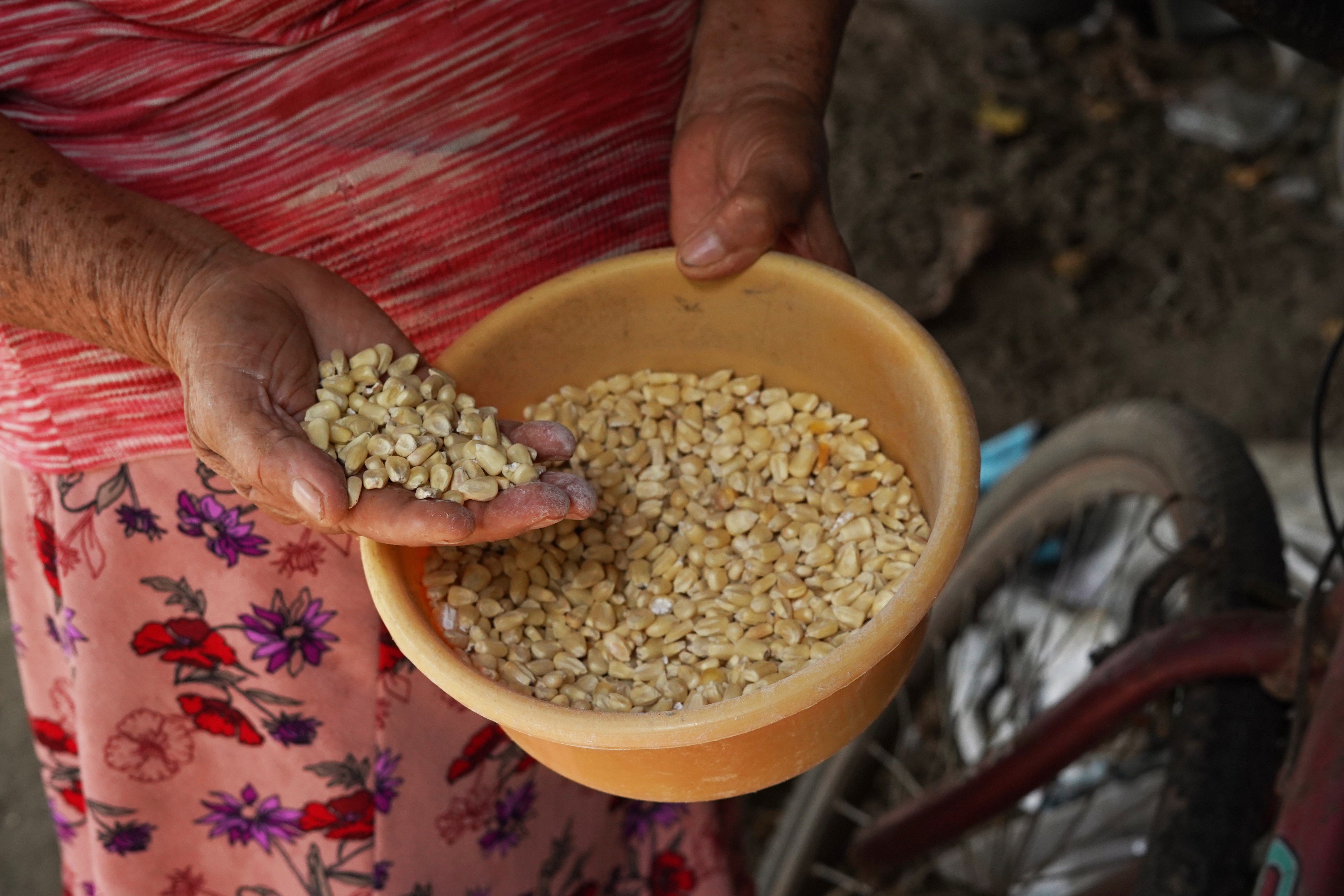
El Niño often disrupts agricultural production in key exporting regions. Droughts in Australia, Southeast Asia, and parts of Africa can slash wheat, rice, and palm oil yields, while flooding in South America may damage soybean and coffee crops. The result: higher food prices worldwide, a particular burden for low-income nations. Analysts are already warning that a super El Niño could reignite inflation pressures that central banks have struggled to contain.
2. Disease outbreaks may spread
Warmer ocean temperatures and altered rainfall patterns create ideal breeding grounds for mosquitoes. Health experts expect increased transmission of dengue fever, Zika, and malaria in tropical regions. In past strong El Niño years, countries like Brazil and India saw significant spikes in vector-borne illnesses. Public health systems, still recovering from recent global shocks, may face added strain.
3. Energy markets face volatility
The climate pattern can disrupt energy supply chains. Reduced hydropower generation in drought-hit regions (e.g., Central America and East Africa) forces a shift to fossil fuels, while warmer winters may reduce heating demand in some areas but increase cooling demand in others. Natural gas and electricity prices could swing sharply. Rain and drought forecasts for the U.S. will be critical for energy planners.
4. Coral reefs and marine life face a mass die-off
Rising ocean temperatures during El Niño can trigger widespread coral bleaching. The 2015–2016 super El Niño caused the third global bleaching event on record. Scientists fear this event could be even worse, threatening marine biodiversity and the livelihoods of millions who depend on reef ecosystems. The damage may also accelerate coastal erosion, affecting communities and infrastructure.
5. Geopolitical tensions may intensify
Water scarcity and crop failures can exacerbate regional conflicts. In the Middle East, North Africa, and South Asia, drought conditions have historically fueled civil unrest and cross-border disputes. A super El Niño could strain already fragile states, prompting migration and diplomatic friction. Migration pressures are already a hot-button issue in Washington, and climate shocks could add to the strain.
Forecasters emphasize that while the probability of a historic El Niño is high, outcomes are never guaranteed. Still, the data point to a winter of significant disruption. Recent polling shows that 38% of Americans have already experienced extreme weather damage in their communities, a number likely to rise.
As the event unfolds, governments and businesses will need to prepare for impacts that go far beyond the weather. The ripple effects on food security, public health, energy, and international stability could define the coming year.