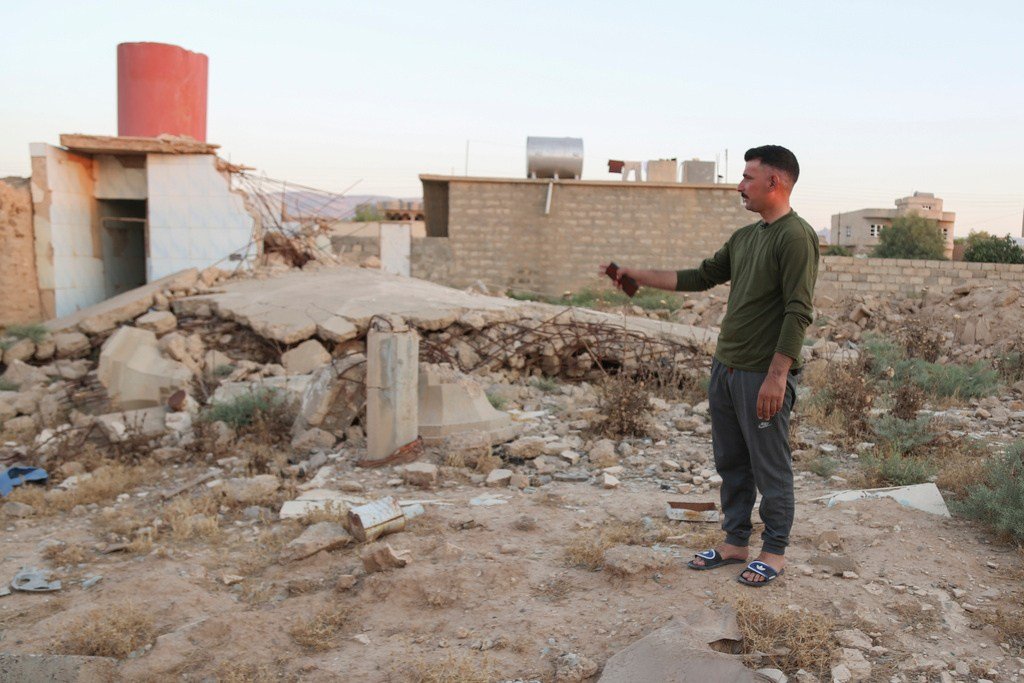
Ten years have passed since ISIS fighters swept into Sinjar, the ancestral homeland of Iraq's Yazidi minority, on August 3, 2014. In the ensuing days, thousands were killed, thousands more were kidnapped and enslaved, and entire communities were displaced. The United Nations later classified these acts as genocide. Yet, as Cudi Zerey argues in a new analysis, the fundamental lessons of Sinjar remain unheeded.
The catastrophe was not merely the brutality of ISIS, but the systemic collapse of protection at every level. Local security forces evaporated, political authorities failed to act, and international powers only intervened after the violence was already underway. A decade later, many Yazidis remain displaced, and Sinjar continues to grapple with insecurity, contested governance, and inadequate reconstruction.

Early Warning Without Early Action
Zerey, a management consultant and doctoral researcher at the University of Vechta, emphasizes that policymakers often focus on responding to atrocities rather than preventing them. By the time an emergency response is needed, protection has already failed. ISIS's ideology, expansionist ambitions, and hostility toward minorities were well-known before the Sinjar offensive, yet warnings were not translated into preventive measures. Governments and international bodies produce countless risk assessments, but without contingency plans and clear triggers for action, early warning becomes little more than documentation of a future failure.
Protection Must Be Locally Legitimate
Another overlooked dimension is the reliability of security arrangements. On paper, protections existed, but they proved hollow when tested. The presence of armed actors is not the same as genuine protection. Vulnerable communities need security institutions they trust—forces that will remain committed when violence escalates. In many conflicts, minorities are forced to rely on external guarantees from actors whose priorities may shift abruptly, undermining the very security they are meant to provide.
Political Agency and Justice
Zerey stresses that vulnerable communities require political agency, not just physical protection. The Yazidis had local knowledge and leadership structures, yet decisions about their future were often made by outsiders. Protection policies that treat communities as passive victims disregard the local expertise that can strengthen prevention and recovery. Justice, too, extends beyond criminal prosecutions. Survivors need recognition, support, and legal protection. Many Yazidi survivors continue to face displacement, trauma, and social disruption years after ISIS lost territorial control.
Reconstruction as Security
Finally, reconstruction itself is a form of security. A community cannot recover if roads are unsafe, schools are closed, and public services are absent. The military defeat of a perpetrator does not automatically restore security for its victims. For many Yazidis, displacement remains a present reality. Sustainable return requires safety, governance, representation, livelihoods, and functioning institutions.
Zerey notes that the world often measures success by how quickly it responds to atrocities. Sinjar suggests a different standard: whether vulnerable communities receive protection before mass violence begins, whether they have a voice in decisions affecting their future, and whether they can return home safely after conflict ends. The Yazidi genocide is not just a tragedy of the past; it is a warning for the future. Warning signs are often visible long before catastrophe strikes, and governments already possess many of the tools needed to protect vulnerable populations. What remains missing is the political will to act before it is too late.