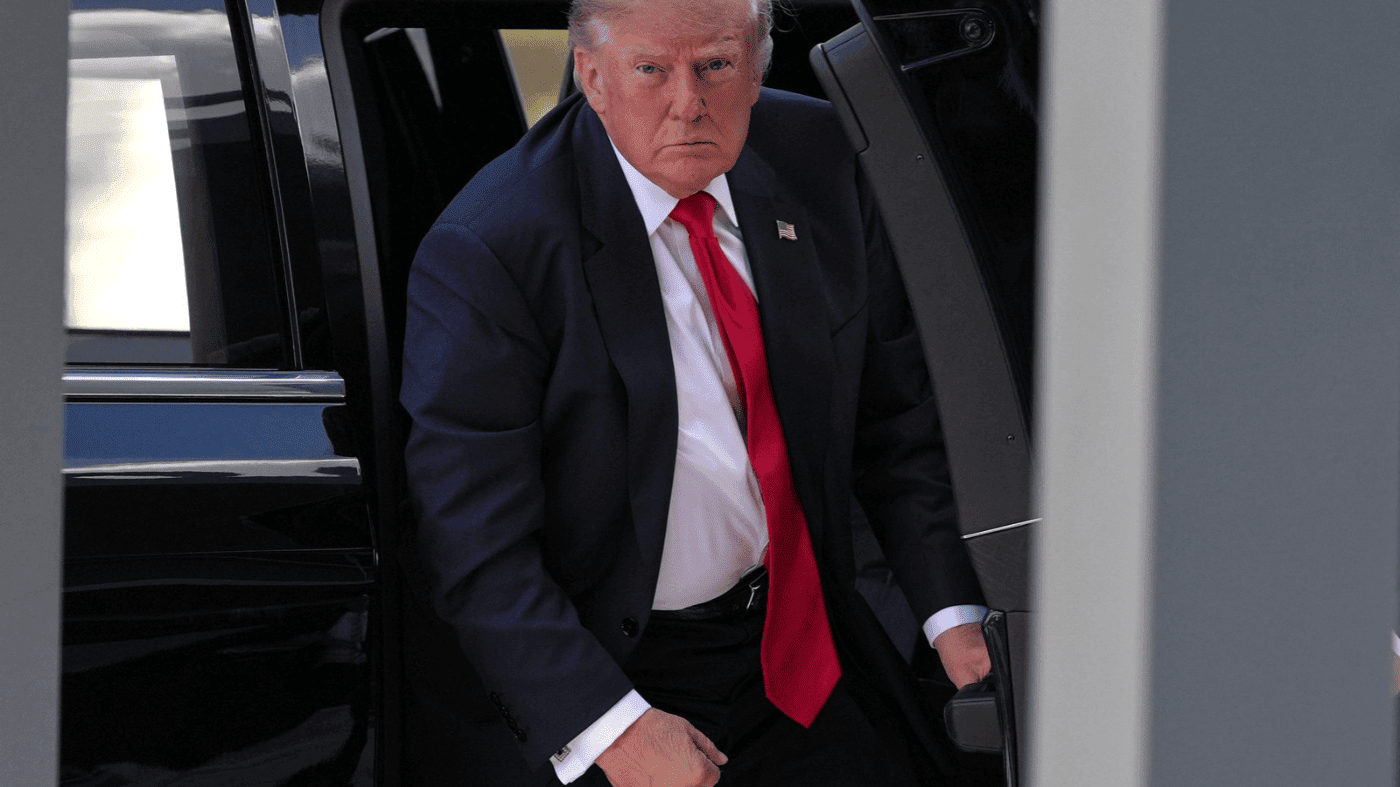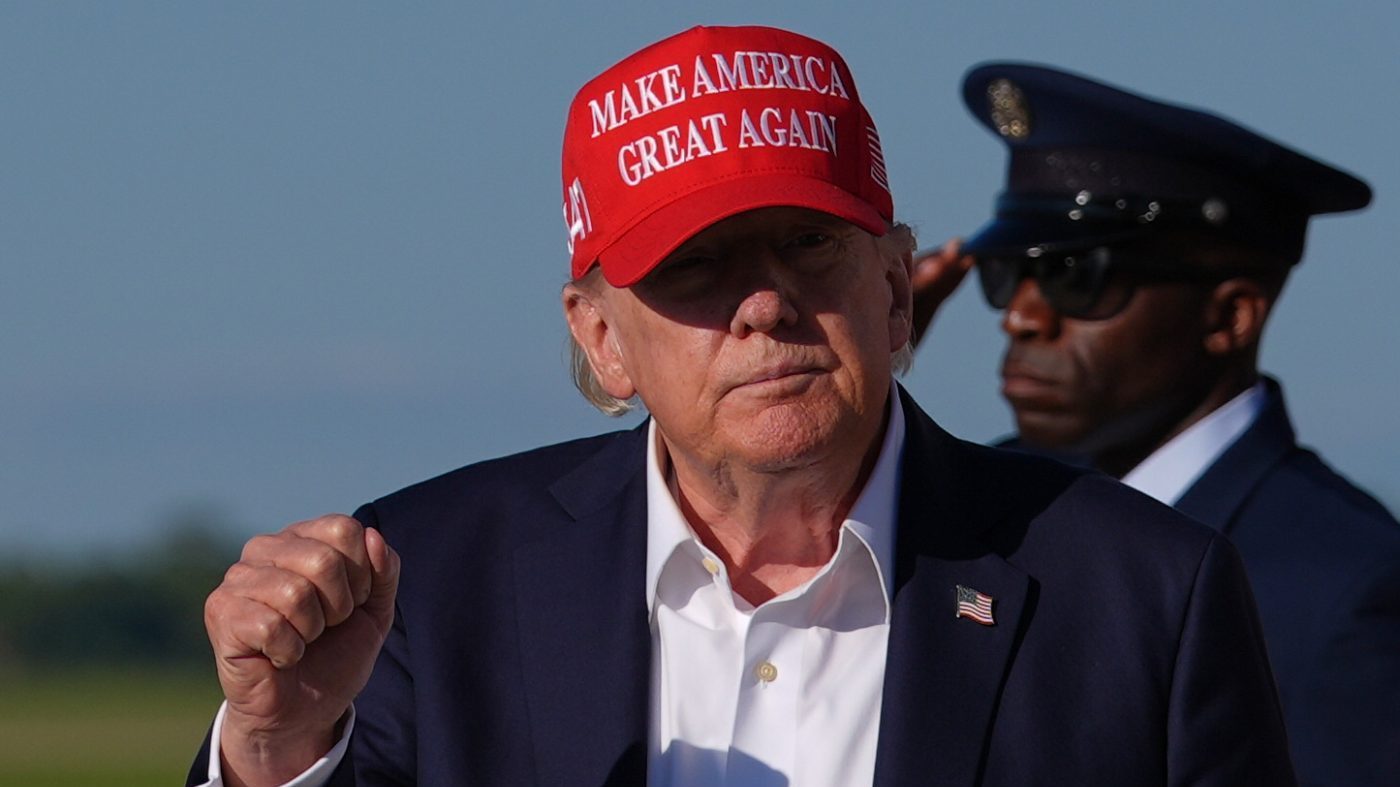
The Trump administration has formally proposed a sweeping overhaul of the 2030 census, aiming to exclude undocumented immigrants from the population count used to allocate congressional seats and federal funds. The Census Bureau published the proposal on Wednesday, fulfilling a directive President Trump issued more than a year ago to the Commerce Department to develop a census that does not include individuals living in the country without legal status.
The plan would alter the definition of "usual residence" to exclude not only undocumented immigrants but also certain temporary legal residents—those whose presence is deemed "less durable and indefinite" than that of green card holders. This marks a significant departure from the long-standing practice of counting all residents, regardless of immigration status, as required by the 14th Amendment's mandate to apportion House seats based on the "whole number of persons in each State."
Administration officials argue that their interpretation of the Constitution's "persons" excludes those in the country unlawfully, citing their "lack of a sufficient tie and allegiance" to the United States. Legal experts, however, note that the Supreme Court has historically interpreted the census clause broadly, and any final rule is likely to face immediate litigation.
In a separate but equally contentious move, the bureau proposed eliminating questions about race and ethnicity from the census questionnaire—data collected since the nation's first census in 1790. These categories are vital for enforcing the Voting Rights Act, guiding redistricting, and shaping federal civil rights policies. The administration defended the change in its Federal Register notice, citing the "sensitive nature" of the topic and what it described as a "reduced need for or usefulness of this information" in census data.
Civil rights organizations and Democratic lawmakers have condemned the proposal, warning that dropping race data would undermine minority representation and obscure disparities in housing, education, and health. "This is a direct assault on the accuracy and fairness of our democracy," said one advocacy group in a statement, though the administration has not responded to such criticism.
The census, conducted every decade, determines the distribution of the 435 House seats among states, shapes legislative districts, and influences the allocation of hundreds of billions of federal dollars. Any change to who is counted—or how demographic data is collected—has profound implications for political power and public resources for the following decade.
President Trump, who will not be in office when the 2030 census occurs, previously attempted to add a citizenship question to the 2020 census. The Supreme Court blocked that effort, ruling that the administration had failed to provide adequate justification. This new proposal, while not a direct citizenship question, achieves a similar goal by redefining residency, and it is already being framed by opponents as an end-run around the Court's earlier decision.
The proposal is now open for public comment before any final rule is issued. Given the legal and political stakes, experts expect a protracted battle in the courts and Congress—one that could shape the next decade's political landscape. For now, the administration's move signals a continued push to reshape how the nation counts its people, a fight that echoes bipartisan backlash seen in other controversial policy initiatives.
As the debate unfolds, the Census Bureau's proposal highlights the tension between constitutional mandates and executive priorities. Whether the courts will allow such a fundamental change remains uncertain, but the administration's intent is clear: to redefine who belongs in America's official count.