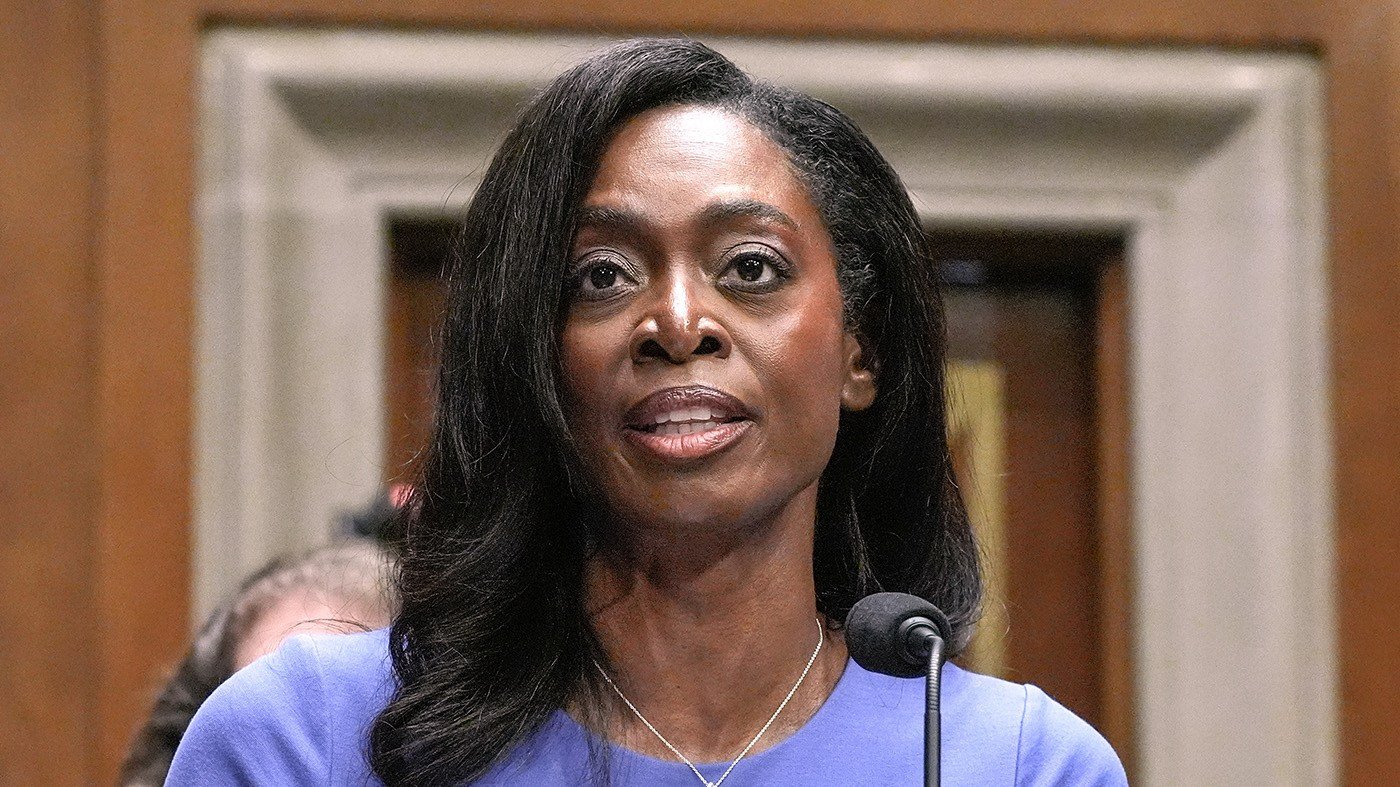
Just weeks into her tenure, CDC Director Erica Schwartz has yet to make a single public appearance or statement, even as the nation faces a resurgent measles outbreak and a confusing respiratory virus season. Her silence has become a point of contention among current and former agency officials, who argue that the lack of visible leadership undermines public trust in the nation's top health agency.
Former CDC Chief Medical Officer Deborah Houry, who resigned last year, called the situation "very unusual." In an interview, she noted that nearly every previous CDC director she worked with engaged with the media and the public within their first month. "This is especially important during an outbreak and back to school," Houry said, "when the CDC director should be talking about priorities and how to respond to an ongoing measles crisis."

A veteran CDC staffer, speaking on condition of anonymity, said the absence of commentary from Schwartz is glaring. "She could talk authoritatively off the cuff about measles if she wanted to; she has expertise. But she isn't," the staffer said. The staffer added that the public-facing role has been left to Health and Human Services Secretary Robert F. Kennedy Jr., who has been openly feuding with Pennsylvania Governor Josh Shapiro over the state's handling of measles deaths.
The CDC has not directly addressed Schwartz's role, but a spokesperson said the agency is "fully engaged" in the measles response. "Under the leadership of Secretary Kennedy and Director Schwartz, CDC remains fully engaged in the measles response and has consistently communicated the importance of vaccination in preventing measles," the spokesperson said.
Schwartz, a former Coast Guard public health officer and deputy surgeon general in the first Trump administration, was expected to bring stability to an agency that has been in turmoil. The CDC's workforce has been cut by nearly 25 percent following DOGE-driven reductions and voluntary departures of career scientists. The first Senate-confirmed CDC director was ousted after a month due to clashes with Kennedy over vaccine policy, and two acting directors followed.
Public health experts say that rebuilding trust requires a visible, authoritative voice. David Margolius, public health director for Cleveland, stressed that "that's how you build trust, getting in front of the camera and talking to folks across the country." He expressed concern that Schwartz is missing a critical opportunity to address the measles outbreak, upcoming flu season, and vaccine recommendations. "This is an opportunity, and it's not too late," Margolius said.
Schwartz did speak at an internal all-hands meeting shortly after being sworn in, acknowledging low morale and promising to earn staff trust. Some employees were cautiously optimistic, but that hope was dashed after the CDC's response to a measles outbreak in Pennsylvania. In August, two unvaccinated children died in Lancaster County—too young to receive the MMR vaccine. Governor Shapiro criticized Kennedy for downplaying measles severity, prompting Kennedy to publicly dispute the deaths and suggest they may have been fabricated for political gain. The CDC's official social media account backed Kennedy, and the agency refused to count the deaths in its weekly tally, a break from standard practice.
For the third consecutive week, the CDC has excluded the Pennsylvania deaths from its official 2026 count, even as new cases rise. As of Friday, the agency reported 3,294 measles cases this year, with 160 new cases in the past week, but still lists zero deaths. The agency has added an asterisk noting that the National Center for Health Statistics has not yet recorded any deaths, but the discrepancy has drawn sharp criticism from public health officials and lawmakers.
Critics argue that the CDC's decision to follow the HHS secretary's lead on politically charged data undermines the agency's scientific integrity. "This is not about politics; it's about public health," said one former CDC official. "When the CDC starts picking and choosing which deaths to count based on who is in power, we're in deep trouble."
As the measles outbreak continues and the respiratory virus season looms, the pressure on Schwartz to break her silence is mounting. Public health advocates are calling on her to address the nation directly, answer questions, and outline concrete steps to prevent further harm. "It's not too late," Margolius said, "but the window is closing."