The expansion of automated license plate readers and airport security screenings is sparking a bipartisan backlash, with critics charging that these tools effectively subject law-abiding citizens to suspicionless surveillance, eroding the constitutional right to privacy.
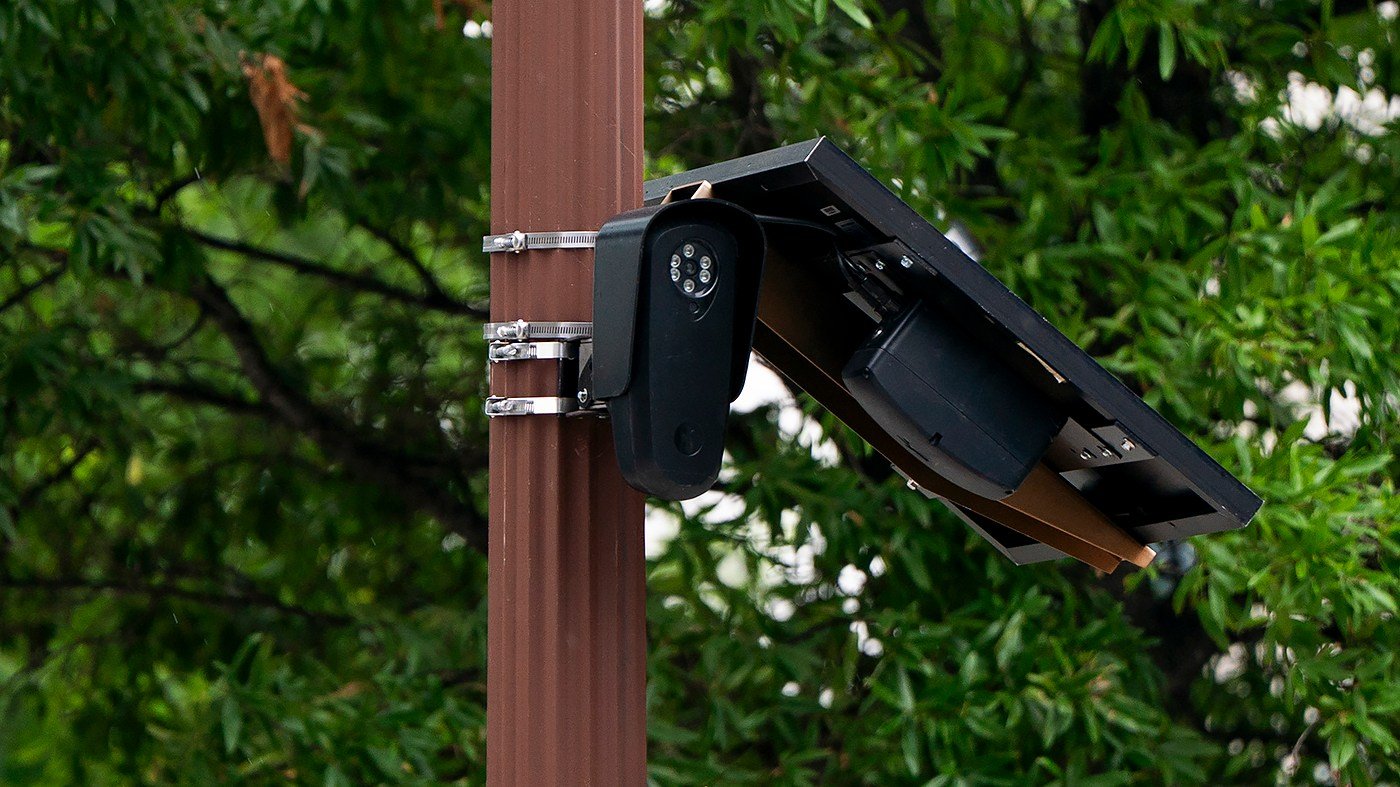
At the center of the controversy is Flock Safety, a company whose cameras automatically track vehicle license plates. Over 5,000 police agencies have signed on to use the technology, which has been deployed in cities and towns across the country. But a growing number of officials and civil liberties advocates argue that this constitutes a de facto general warrant, allowing the government to monitor the movements of every driver without probable cause.
The Fourth Amendment guarantees "the right of the people to be secure in their persons, houses, papers, and effects, against unreasonable searches and seizures," and explicitly requires that warrants be issued only upon probable cause. Historical state constitutions, including those of Virginia, Maryland, Massachusetts, North Carolina, Pennsylvania, and Vermont, echoed this principle by denouncing general warrants as "grievous and oppressive."
Sen. Rand Paul (R-Ky.) has been a vocal critic, tweeting that Flock's network of 120,000 cameras constitutes "mass surveillance of every American, and a violation of our 4th Amendment rights." In Utah, Gov. Spencer Cox (R) has ordered a review of the cameras' use, while the Pulaski County Sheriff's Office in Missouri discontinued their use, with Sheriff Stacy Ball stating that "no piece of technology is more important than the trust of the people we serve."
The issue extends beyond license plate readers. The Transportation Security Administration treats every airline passenger as a potential threat, subjecting them to invasive screening without any individualized suspicion. Critics argue that purchasing a plane ticket does not constitute probable cause for a search, and that such practices treat all citizens as presumptively guilty.
Efforts to rein in these surveillance tools are gaining traction. Rep. Thomas Massie (R-Ky.) has introduced legislation to block federal funding for license plate surveillance, and some municipalities are already pulling back. Dallas, for instance, is removing 321 Flock cameras after Texas Gov. Greg Abbott froze state funding. The expansion of Flock cameras has prompted calls for greater scrutiny of police surveillance practices.
Supporters of the technology argue that it helps solve crimes and that those with nothing to hide should not object. But critics counter that the same logic could justify warrantless searches of homes or financial records. The Bill of Rights, they note, enshrines natural rights that predate the government and must be upheld by elected officials who swear to protect them.
As the debate intensifies, the question remains whether the courts and lawmakers will act to curb these practices or allow the Fourth Amendment to become a dead letter. For now, the growing resistance suggests that many Americans are unwilling to surrender their privacy without a fight.