Just weeks before the midterm elections, the rapid expansion of AI infrastructure and surveillance technology has become a political minefield for Republicans, with voters in key states expressing anger over data centers and automated license plate readers. A new study finds that more than 700 campaigns have run ads mentioning data centers on major platforms, and lawmakers on both sides are calling for stricter oversight.
Sen. Thom Tillis (R-N.C.), facing a tough reelection fight, acknowledged that the GOP is struggling to defend the industry. "There's this irrational response: 'Data centers are bad.' Are they really? If they're off-the-grid, have their own power, and recycle water, what's the problem?" Tillis told reporters. He stressed the need to "educate people" about the economic benefits, warning that without public support, the state could lose out on sustainable investment.
The issue is particularly acute in Ohio, where Democratic Sen. Sherrod Brown has spent over $430,000 on online ads criticizing data centers, according to the Absecon Group study. In Iowa, Democratic gubernatorial candidate Rob Sand has invested more than $380,000 in similar messaging. Meanwhile, in Wisconsin, Republican nominee Tom Tiffany has made data center regulation a cornerstone of his campaign, vowing to repeal tax incentives and attacking his opponent as "Data Center David Crowley."
Progressives are also pushing back. Sen. Bernie Sanders (I-Vt.) introduced the Ban Artificial Superintelligence Act this week, which would halt advanced AI development until federal safety rules are established. The legislation reflects growing bipartisan unease, though Republicans are split between pro-business factions and those who see political advantage in opposing the industry.
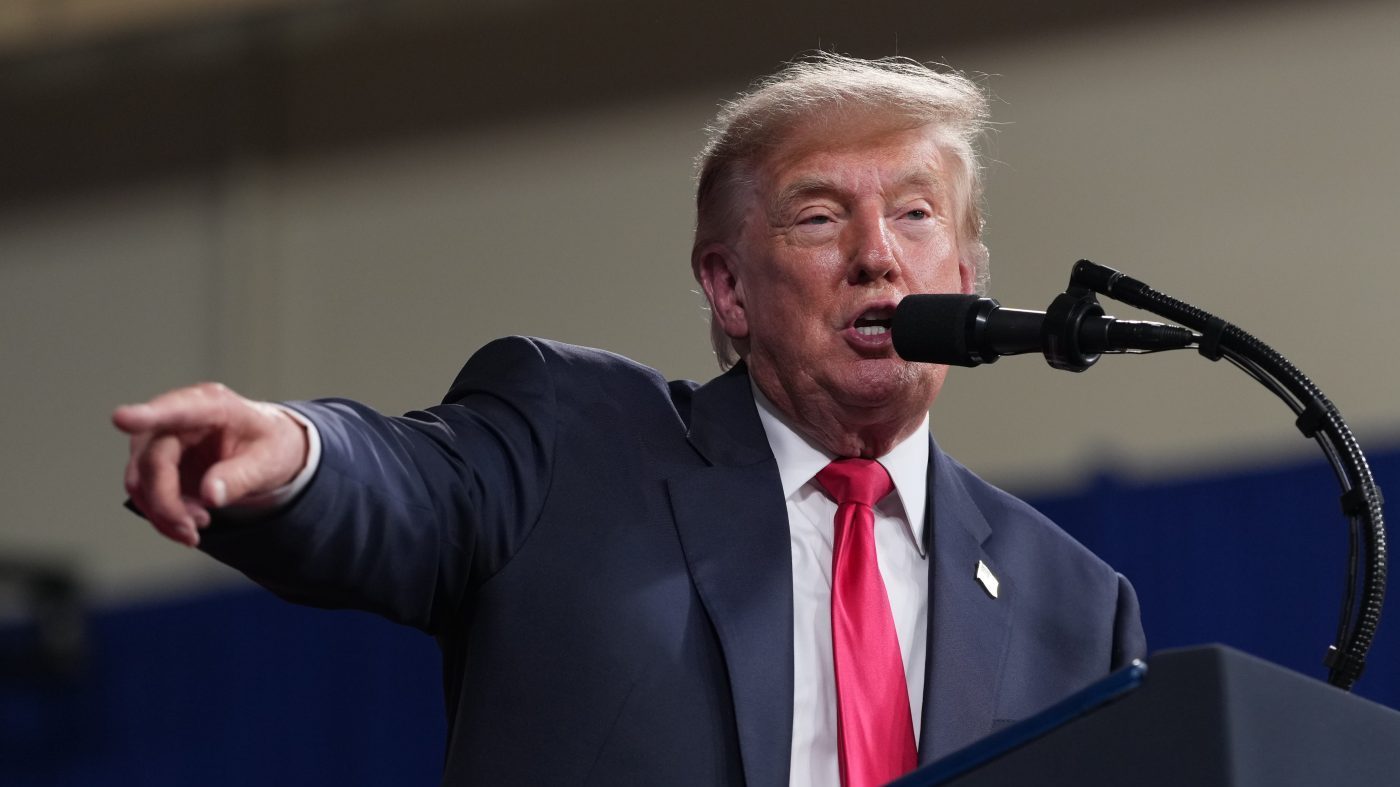
Political strategist Tom Egan, who authored the Absecon Group study, noted that local officials have already lost primaries for supporting data center projects. "Both parties are exploiting the distrust voters feel toward developers who failed to engage communities," he said. "It's tough for Republicans to criticize data centers when President Trump calls opponents 'dumb' for not embracing them."
In Maine, one of the most competitive Senate races, data centers emerged early as a flashpoint. A bill imposing a moratorium on new facilities passed the legislature but was vetoed by then-Gov. Janet Mills, who later suspended her Senate campaign. Her primary opponents, Graham Platner and Troy Jackson, both campaigned against unregulated development. Incumbent Sen. Susan Collins (R-Maine) has taken a cautious stance, advocating for project-by-project review, according to University of Maine political scientist Mark Brewer.
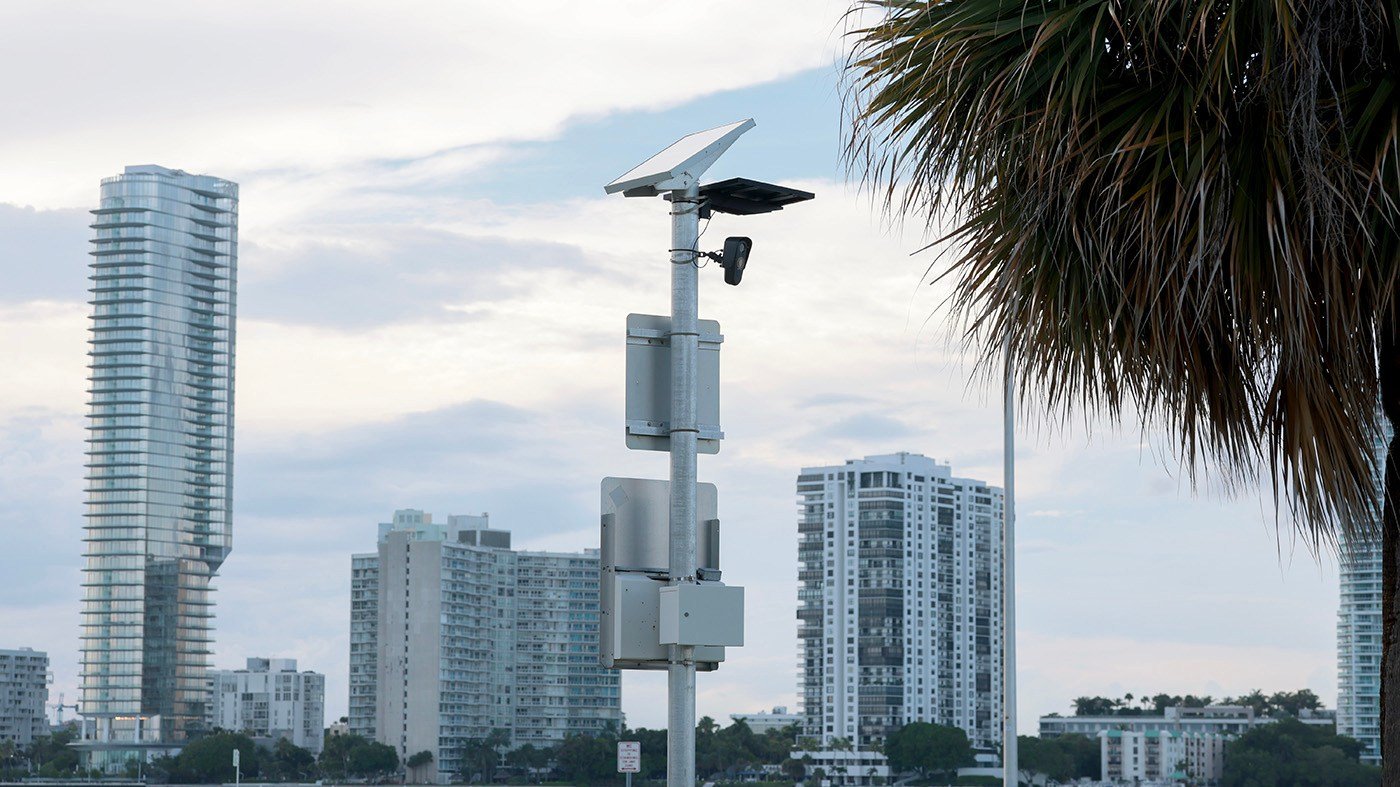
The controversy extends to surveillance. Sen. Josh Hawley (R-Mo.) has launched an investigation into Flock Safety's network of over 120,000 cameras, demanding safeguards for Americans' data. Florida Gov. Ron DeSantis (R) has also criticized the proliferation of license plate readers, calling it "out of control."
As the election approaches, the tension between technological progress and public anxiety is shaping campaigns nationwide. For Republicans, the challenge is balancing support for innovation with voter demands for accountability, a dynamic that could influence control of Congress and statehouses.