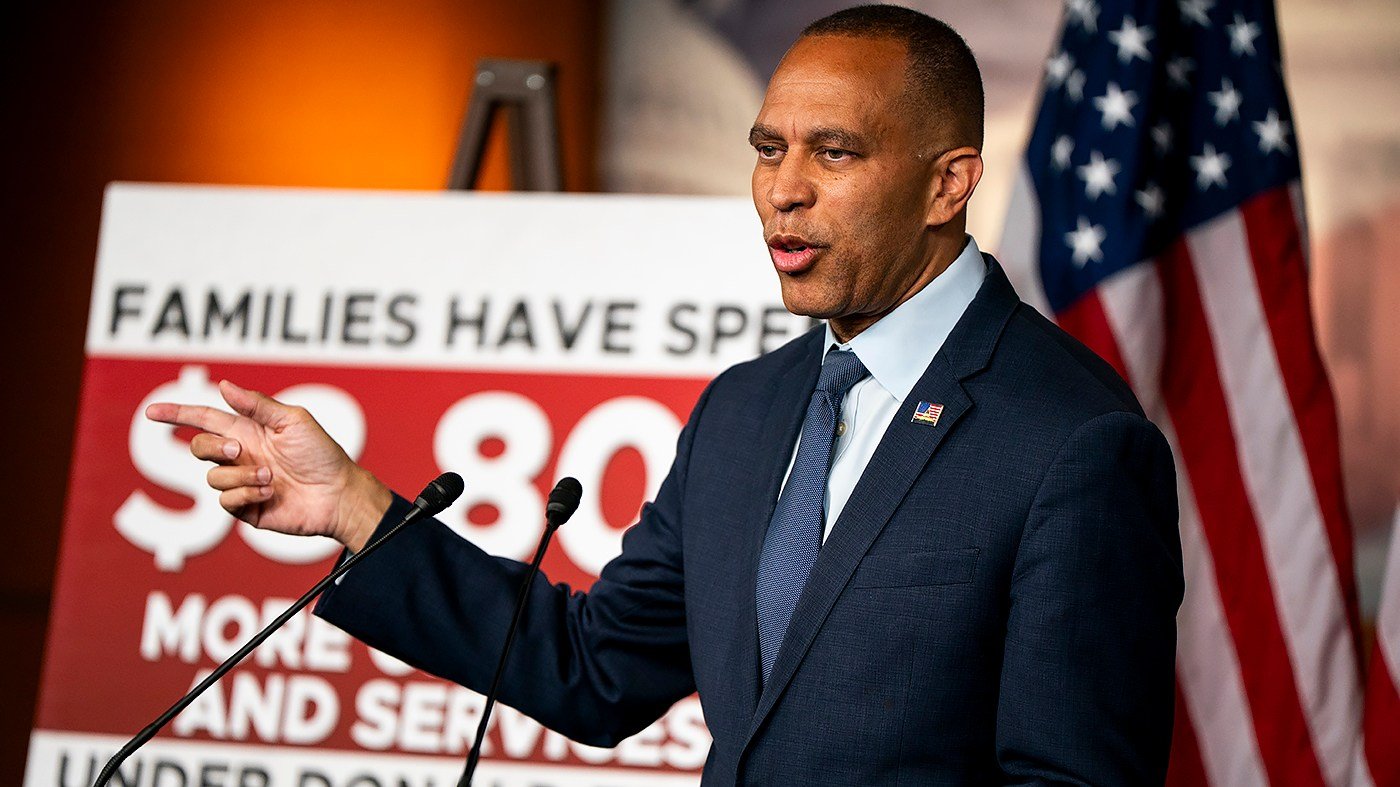
House Minority Leader Hakeem Jeffries (D-N.Y.) did not dismiss the possibility of impeaching President Trump if Democrats regain control of the House in the upcoming elections. In an interview on ABC's "This Week" with George Stephanopoulos, Jeffries stated that the party has not made any definitive decisions regarding impeachment, either for or against.
"No, we haven't ruled anything in and we haven't ruled anything out in terms of impeachment," Jeffries said when asked if Democrats would pursue impeachment on day one of a new majority. The comments come as Democrats are favored to retake the lower chamber, with Decision Desk HQ giving them a 68% chance as of Friday.
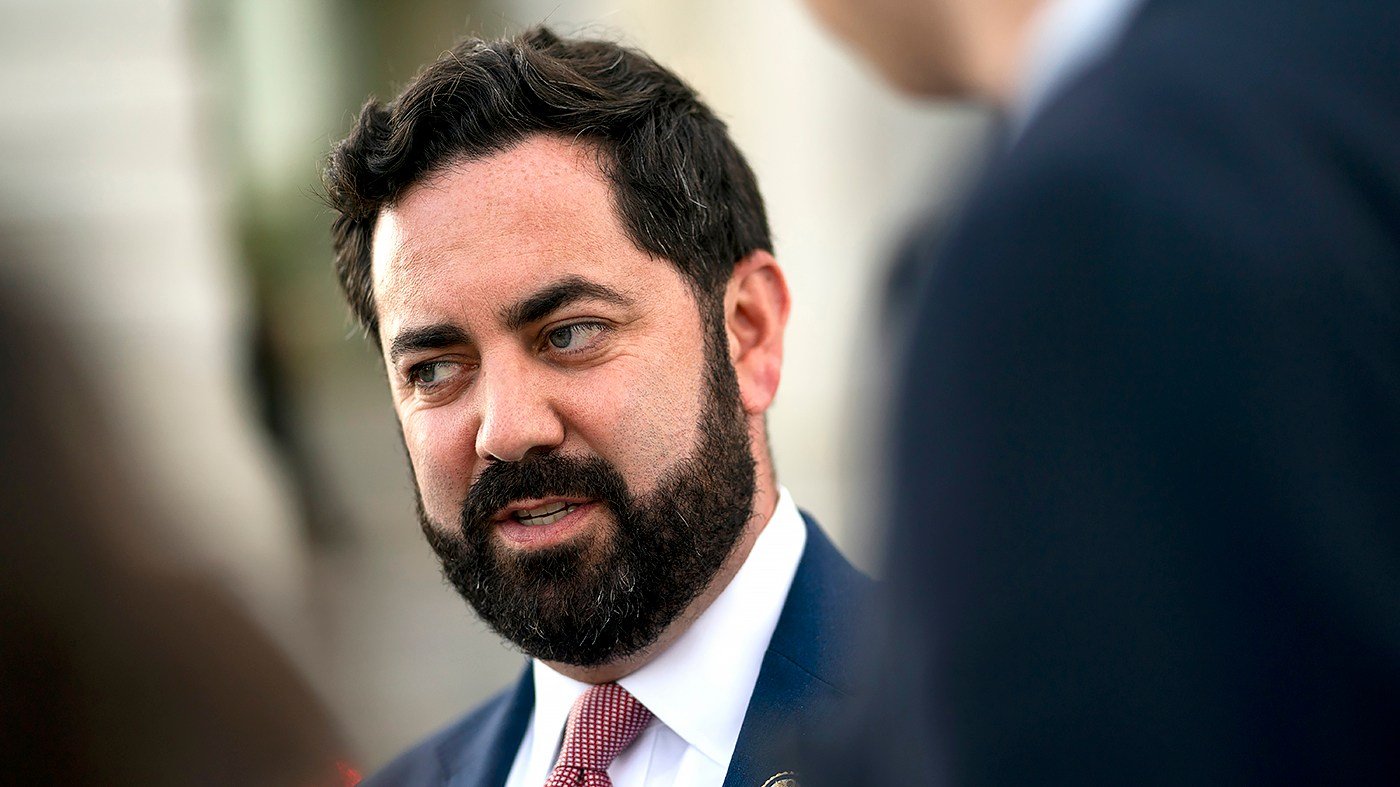
Jeffries pointed to Reps. Jamie Raskin (D-Md.) and Robert Garcia (D-Calif.), the ranking members on the House Judiciary and Oversight committees, respectively, as key figures in any accountability efforts. "Both of them are doing a tremendous job," Jeffries said. "We've got to follow the facts, apply the law, be guided by the Constitution, and then let the chips fall where they may, in the best interests of the American people."
The House impeached Trump twice during his first term—first in 2019 over his efforts to pressure Ukraine's president to investigate Joe Biden, and again after the January 6, 2021, Capitol attack. The Senate acquitted him both times. Trump has already predicted impeachment if Democrats take the House, telling a rally in South Carolina, "They're going to impeach me. They have no idea why."
Jeffries also outlined other legislative priorities for a potential Democratic majority, including rolling back Trump's tariffs on foreign trading partners, pushing for an end to the Iran war, and restoring expired Affordable Care Act subsidies. "These are some of the things that I think we can begin to do, but it's going to have to be a bold, aggressive legislative effort that we sustain, not just for the first 100 days, but for the first year and the entirety of the Congress," he said.
The Democratic leader's openness to impeachment reflects a broader strategy of aggressive oversight, which could also extend to technology policy and other areas. As the election approaches, the possibility of a Democratic House majority has raised questions about the balance of power in Washington, particularly given Trump's recent executive actions that critics say overstep federal authority.
Republicans have dismissed the impeachment talk as a political ploy, while Democrats argue it is a constitutional duty. The outcome of the November elections will determine whether Jeffries and his caucus get the chance to act on these priorities.