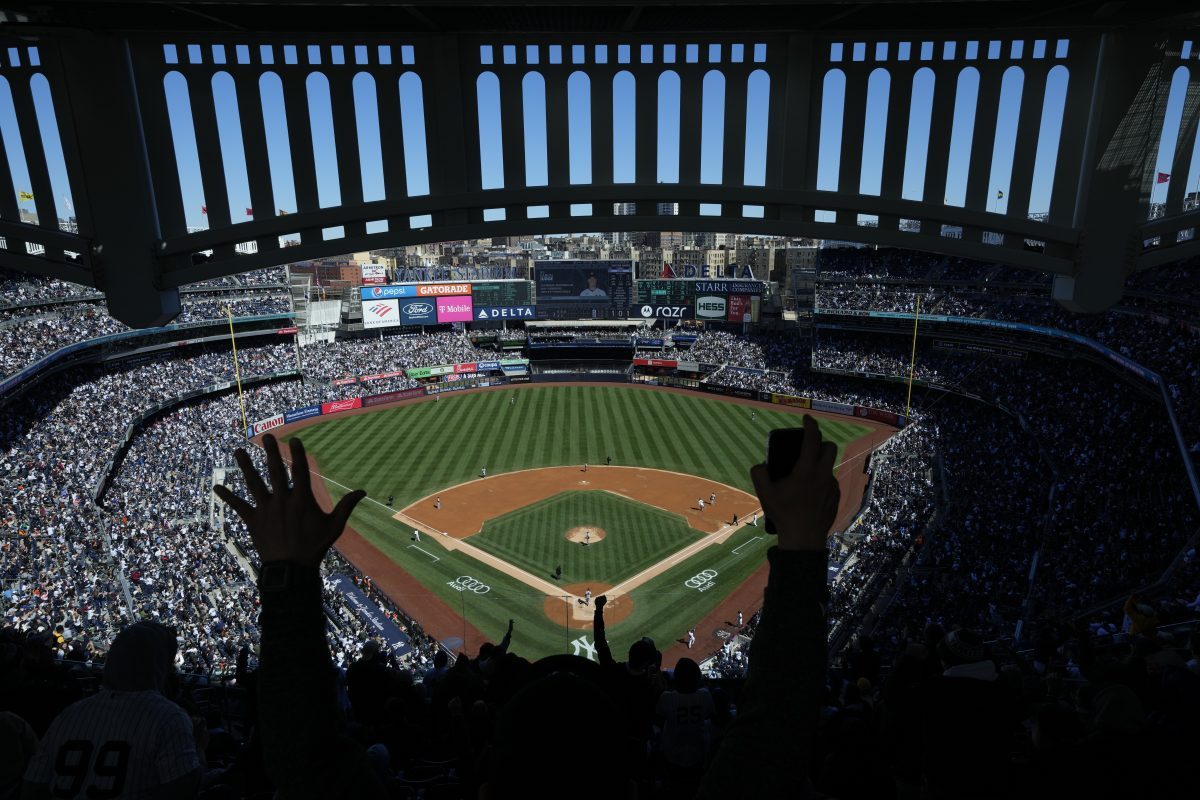
New York City health authorities have identified a cooling tower at Yankee Stadium as one of ten facilities in the Bronx that tested positive for Legionella bacteria, as the city grapples with a new cluster of Legionnaires' disease in the South Bronx. The New York City Department of Health and Mental Hygiene announced Sunday that all affected towers have been ordered to undergo cleaning and disinfection by Monday.
The positive results came from polymerase chain reaction (PCR) tests conducted on September 11, which detect the presence of Legionella DNA but cannot distinguish between live and dead bacteria. Officials stressed that only live Legionella can cause illness and that PCR testing does not confirm a tower as the definitive source of exposure. The department is now conducting culture tests, which can take up to two weeks, to determine if viable bacteria were present.

Health officials urged anyone who has lived, worked, or visited the affected ZIP codes — 10451 and 10456 — since late August and develops flu-like symptoms such as fever, cough, or difficulty breathing to seek medical care immediately. They also reassured residents that it is safe to shower, drink tap water, and use air conditioners in the area, and that being inside any of the ten buildings poses no additional risk.
The South Bronx outbreak has resulted in one confirmed death and five cases, according to officials. This comes on the heels of a larger cluster on Manhattan's Upper East Side, which has killed nine people and infected more than 90 since early July. That earlier outbreak prompted widespread concern and led to increased scrutiny of building cooling systems.
In a statement released Sunday night, Yankee Stadium said it had installed new high-efficiency chiller towers in 2024 and conducts weekly water quality and bacteriological indicator testing, with results submitted to the Department of Health monthly. The team noted that its most recent monthly test on August 20 came back negative for Legionella. Subsequent weekly tests on August 26, September 2, and September 9 were also conducted, and the team said it had not been asked to postpone any games.
The stadium acknowledged that its PCR test on September 11 showed trace amounts of Legionella DNA, making it one of ten towers in the Bronx to test positive. The team emphasized that PCR testing is different from its routine independent testing and that no current cases have been linked to the stadium. The Health Department has mandated hyperhalogenation—a full draining, cleaning, and disinfection process—for all positive towers, which Yankee Stadium completed early Sunday morning.
To address community concerns, the Health Department will hold an in-person town hall on Tuesday at 6 p.m. at Metropolitan College in the Bronx. Residents will have the opportunity to speak directly with public health officials about the outbreak and prevention measures.
Legionnaires' disease is a severe form of pneumonia caused by inhaling aerosolized water droplets contaminated with Legionella. It is not contagious and can be treated effectively with antibiotics when caught early. The recent outbreaks have intensified focus on building maintenance and water safety regulations across the city, particularly in aging infrastructure. Similar concerns have been raised in other jurisdictions, as seen in recent legal challenges over surveillance methods that, while unrelated, underscore broader public health and privacy debates.
As the city awaits culture results, officials are urging vigilance among residents and visitors to the affected neighborhoods. The situation remains fluid, and further cases may emerge as testing continues. The Health Department has promised to provide updates as more information becomes available.