Oil markets reacted sharply on Monday, with prices surging more than 4 percent after Yemen-based Houthi militants carried out strikes on Saudi Arabian infrastructure and vessels, knocking a critical pipeline out of service for weeks. The global benchmark Brent crude settled at $105.66 per barrel, while U.S. benchmark West Texas Intermediate climbed to $101.28, reflecting heightened supply concerns.
The attacks targeted Saudi Arabia's East-West Pipeline, a 745-mile conduit that moves crude from Persian Gulf ports to the Red Sea port of Yanbu, a key export hub. Saudi officials familiar with Thursday's attack told the Associated Press that repairs could take three to five weeks, though the pipeline might operate at partial capacity during the fix. The pipeline had been moving between 2.6 million and 4 million barrels per day since late August, making its disruption a significant blow to global supply.
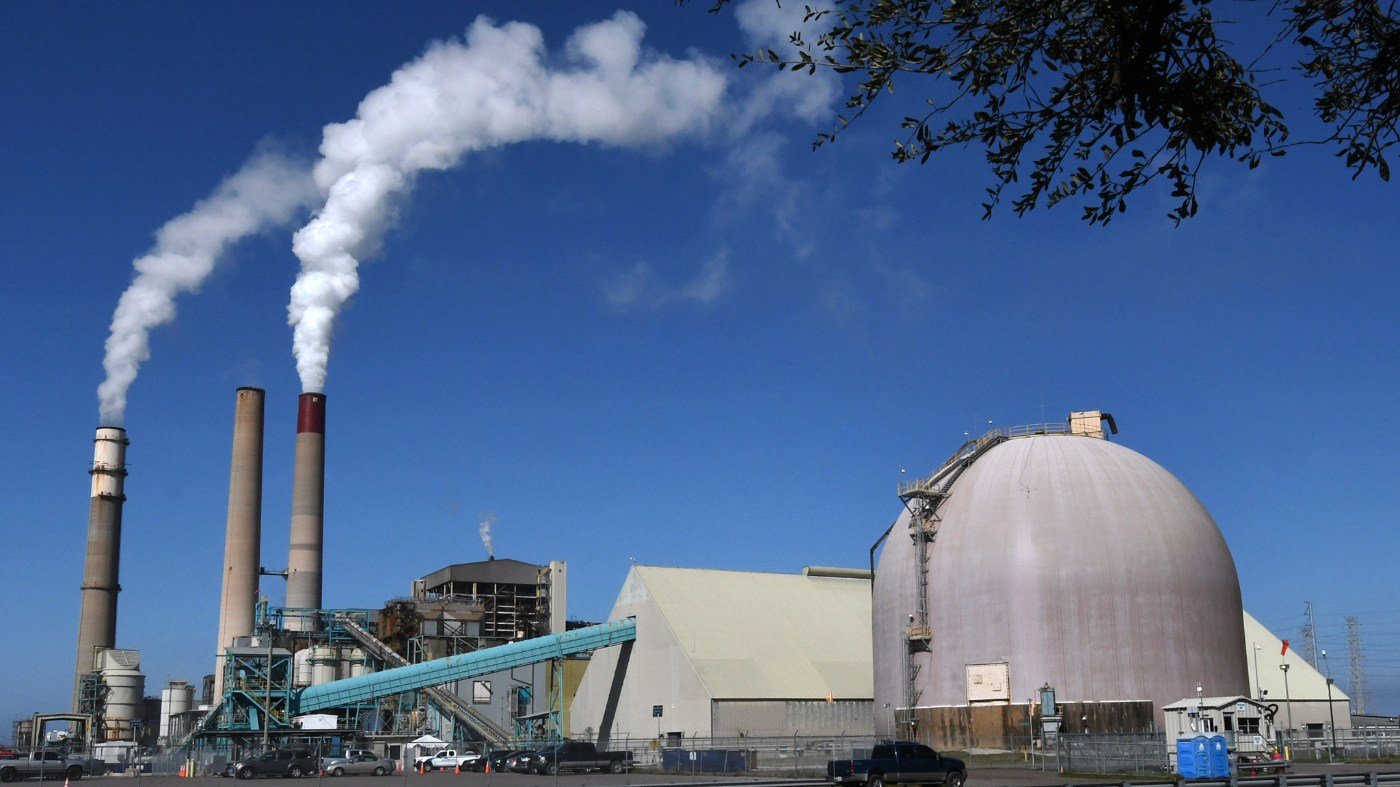
Rystad Energy, an Oslo-based consultancy, said the price spike is a clear indication that markets are increasingly factoring in a substantial loss of supply. The firm's analysts noted that the Houthi actions, combined with ongoing tensions in the region, are amplifying fears of a prolonged disruption.
The Houthis, widely seen as a proxy for the Iranian regime, have escalated their involvement in the broader U.S.-Israel-Iran conflict. They have demanded that Gulf states, the U.S., and Israel pursue diplomacy with Tehran, warning of further retaliation if hostilities continue. Their recent moves include seizing the strategic islands of Greater and Lesser Hanish, located about 100 miles north of the Bab el-Mandeb Strait, a vital chokepoint connecting the Red Sea to Asian markets. The islands sit just 20 miles from a U.S. military base in Djibouti.
In addition, the rebels have taken control of the port city of Mokha, another crucial Red Sea shipping point, raising fears of a new front in the conflict. Saudi Arabia has reportedly urged President Trump to launch strikes against the Houthis, while the U.S. has dispatched more than 100 military advisors to assist Saudi forces.
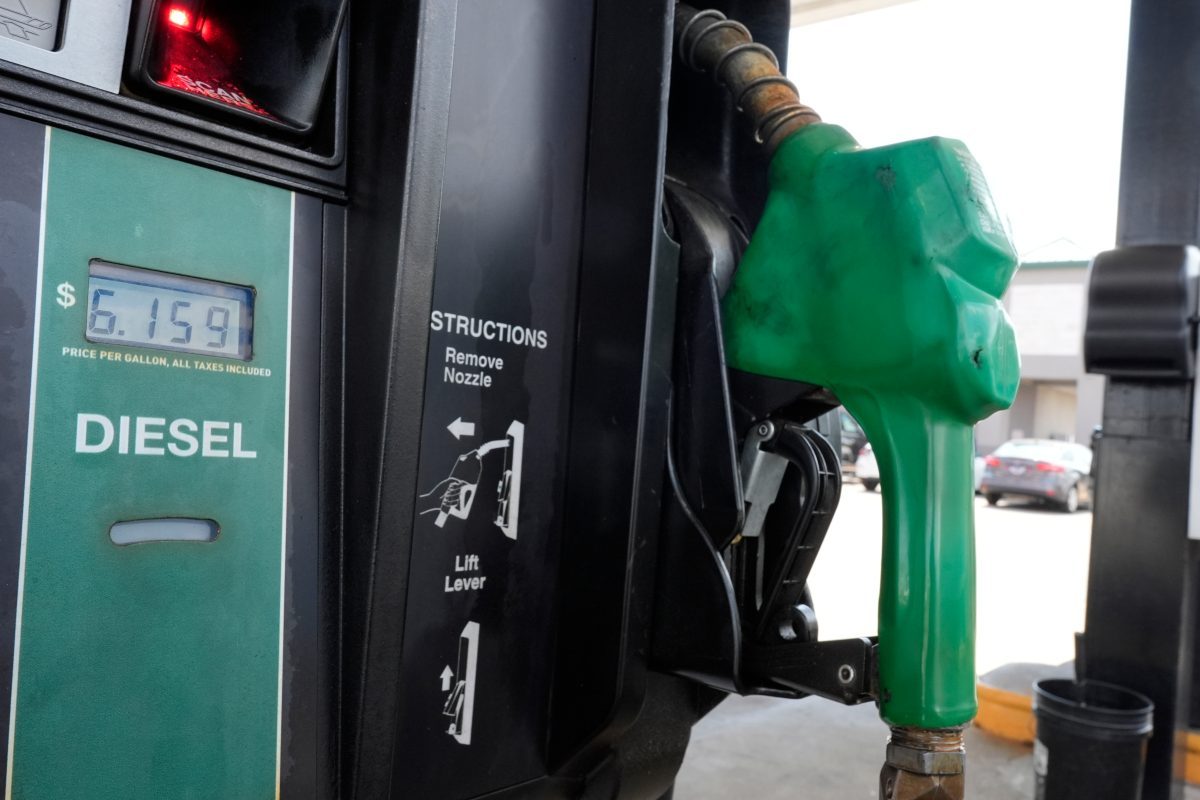
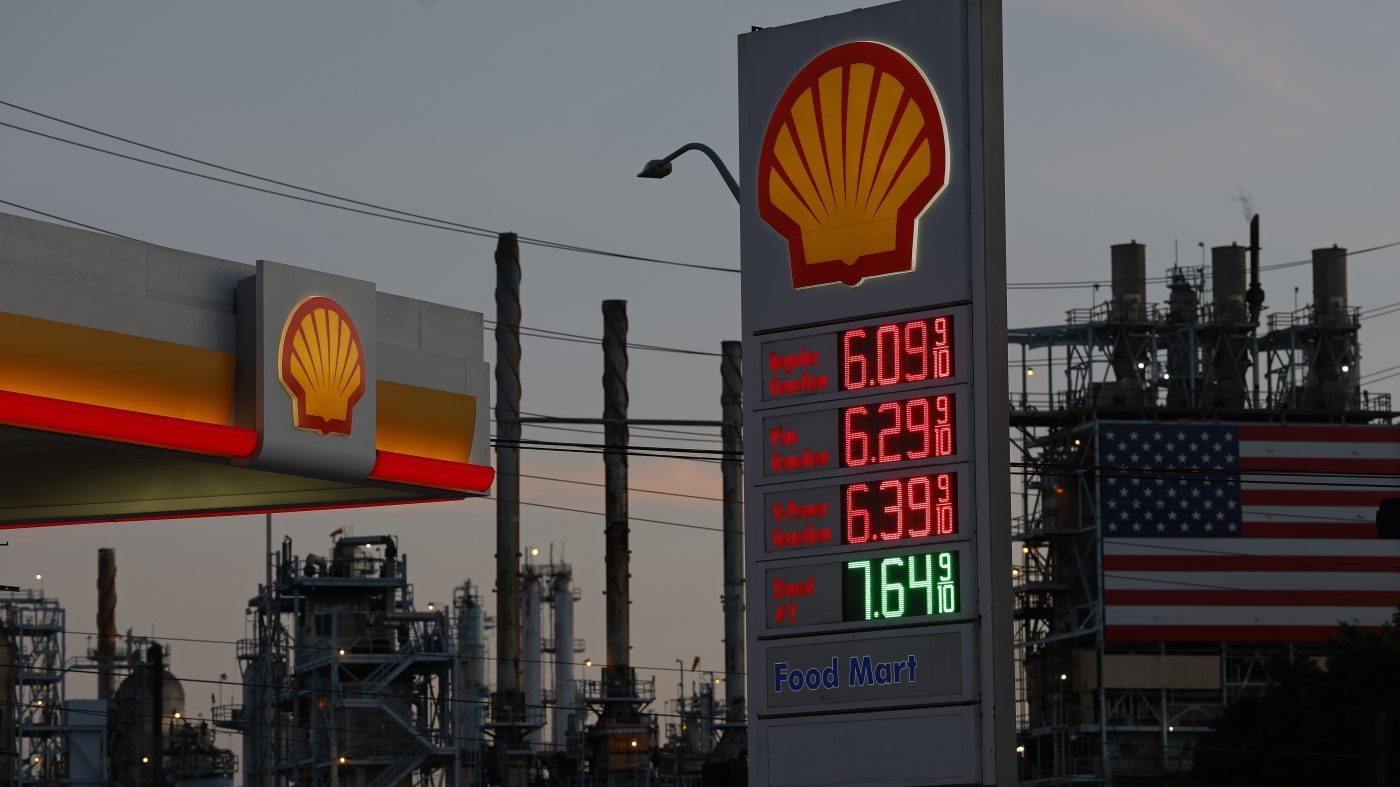
The disruption comes as the U.S. and its allies face a broader energy crunch. Oil exports via the Red Sea, including through the East-West Pipeline, have been seen as an alternative to shipments through the Strait of Hormuz, which Iran has effectively throttled in response to U.S. strikes. As a result, gasoline and diesel prices have skyrocketed, with the average U.S. gas price reaching $4.32 per gallon, up 7 cents from last week, and diesel hitting a record $6.23, according to AAA.
Diesel prices have been further pressured by Ukrainian drone strikes on Russian refineries. President Trump has urged Ukrainian President Volodymyr Zelensky to halt such attacks, saying, "He has to stop knocking out diesel fuel in Russia. We spoke to Mr. Zelenskyy about it. There are plenty of other targets. Don't hit diesel fuel, because that's hurting the world."
The combination of Houthi attacks and the ongoing conflict has put the Biden administration in a delicate position as it balances support for allies with the risk of escalating energy prices. The White House has been treading carefully on Iran strikes, with an eye toward the upcoming election, as political pressures mount.
Analysts warn that unless the situation stabilizes, oil prices could climb further, adding to inflationary pressures. The latest consumer price index data showed flat inflation in August, but the surge in energy costs may be a harbinger of future price increases.
Meanwhile, President Trump has predicted that oil prices will plummet once the Iran conflict ends, but for now, markets remain jittery. The Houthi attacks, coupled with ongoing tensions in the Strait of Hormuz, have left traders bracing for more volatility, especially as strikes on Iran escalate.