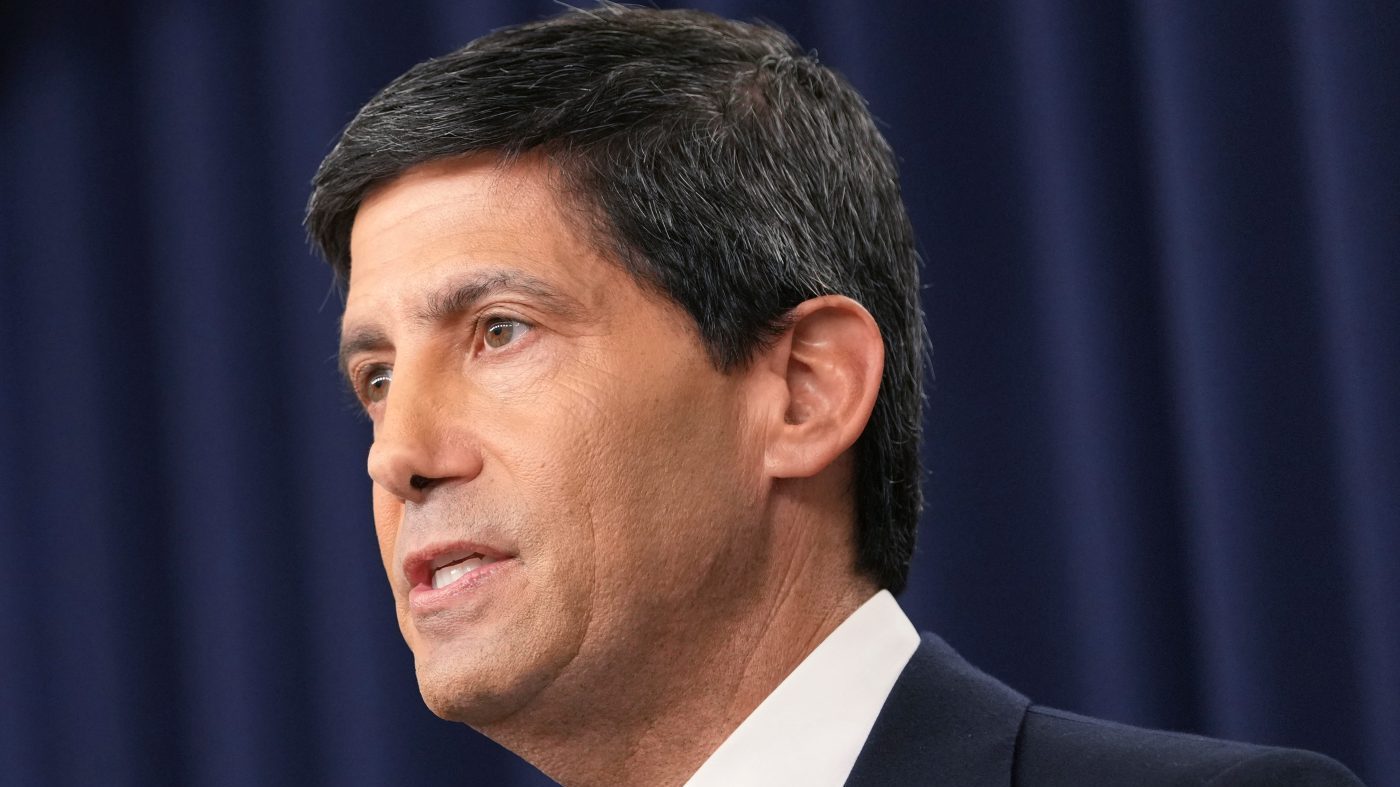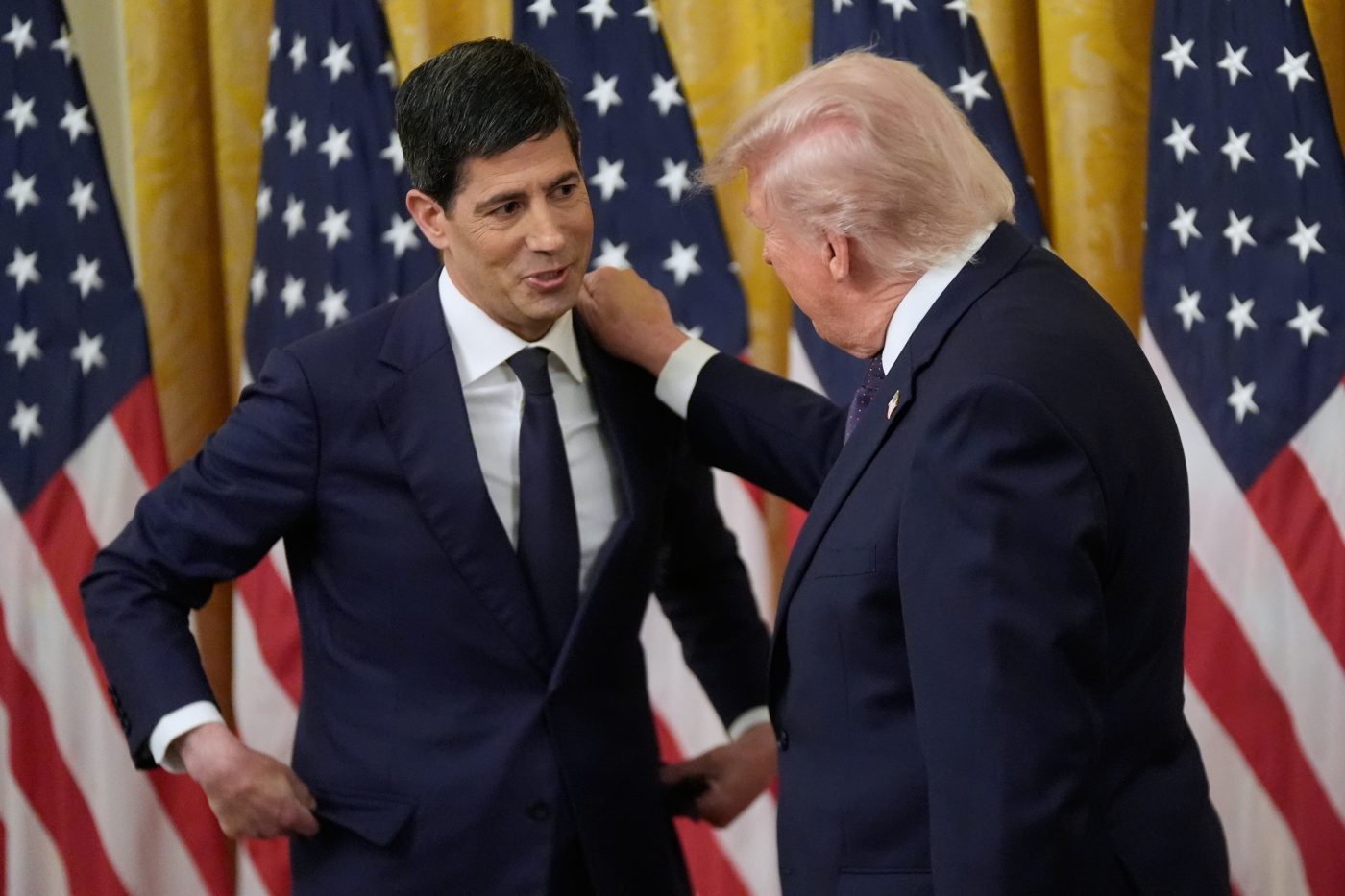
President Trump received a blunt rebuke on Wednesday when Federal Reserve Chair Kevin Warsh announced a quarter-point increase in the benchmark interest rate, lifting it to 4% — the first such move in three years. The decision flies in the face of the president's repeated demands for cheaper credit, setting up a fresh confrontation between the White House and the central bank just weeks before the midterm elections.
The rate hike, the first since the Biden administration, underscores the Fed's assessment that inflation remains stubbornly above its 2% target, a reality that clashes with the administration's narrative of an economic boom. Economists and political strategists alike noted that the move is a tacit admission that price pressures persist, complicating the White House's efforts to project economic strength.
“Today's decision by the Fed to hike its target interest rate is a recognition of reality, and the reality is that inflation remains far above the two percent supposed target level,” said Joel Griffith, a senior fellow at Advancing American Freedom, the think tank affiliated with Vice President Mike Pence.
A former Trump administration official predicted the hike would not significantly alter the election outcome, but acknowledged it creates a messaging headache for Republicans seeking to tout economic gains. “I suppose you could make the argument that the Trump-appointed chair is trying to do all he can to tame inflation, and that is good,” the official said. “But doing that sort of admits there is inflation, which I don't think is consistent with White House messaging right now.”
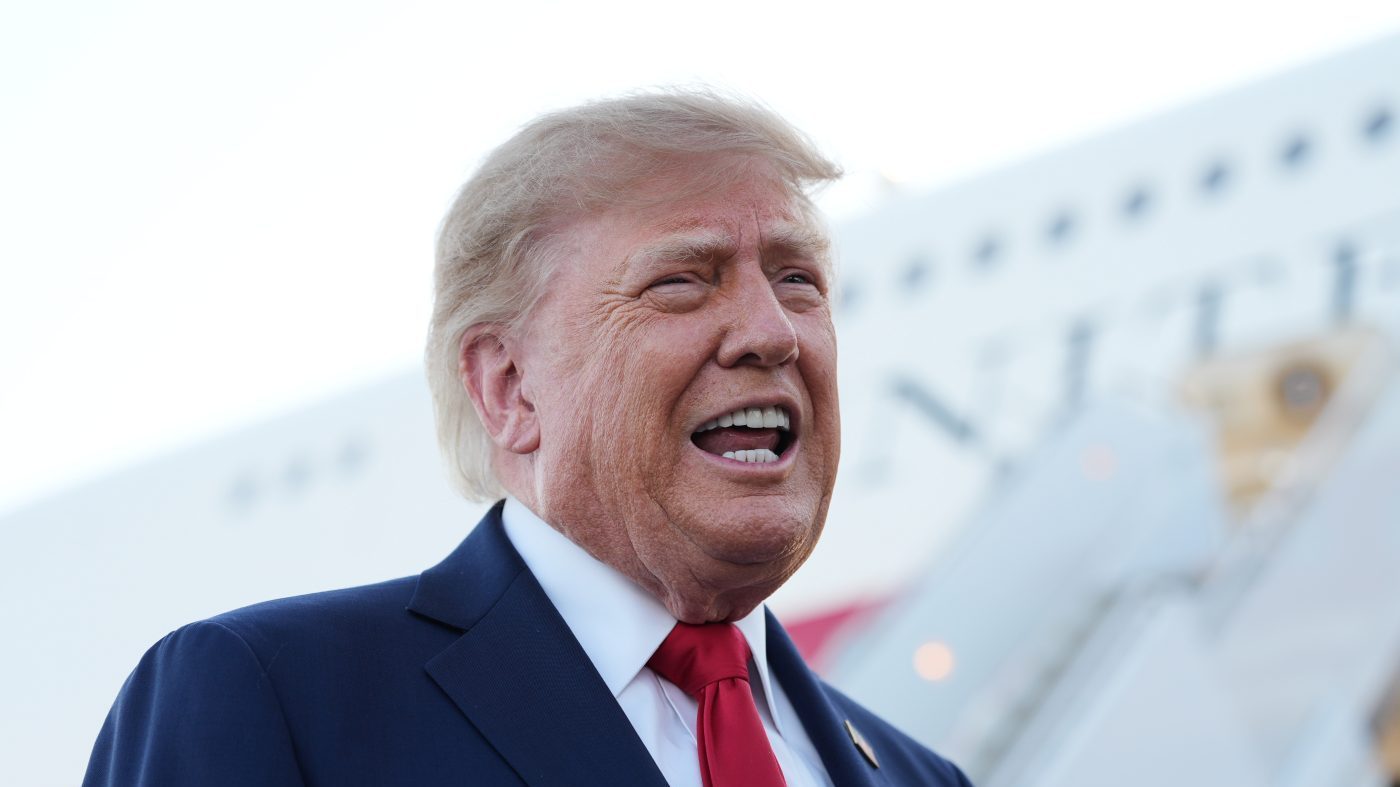
Trump reacted with fury on Truth Social, reiterating his calls for the U.S. to halt trade with nations running deficits against it. “We are 'carrying' almost every country in the World, and that cannot go on any longer. LOWER THE INTEREST RATES FOR THE UNITED STATES OF AMERICA, AND FAST!” he wrote.
The political stakes are high as the Iran conflict rages and gasoline prices hover near $4.36 per gallon, while inflation runs at 3.4%. Republicans argue that inflation is far below the 9.1% peak under Biden, but polling suggests voters are not convinced. A New York Times/Siena College survey released this week found 62% of respondents disapprove of Trump's handling of the economy, and Democrats lead Republicans by 51% to 45% on economic trust, with a similar gap on cost-of-living concerns.
Griffith added, “The economic data backs up that polling. Inflation is accelerating, and right now year over year, incomes have not kept up with the rise in prices.”
The rate issue has long been a sore point for Trump, who previously attacked former Fed Chair Jerome Powell as “Too Late” Powell over his rate decisions. Trump chose Warsh to succeed Powell, whose term ended in May, after the Justice Department launched—and later dropped—an investigation into Powell's handling of Fed buildings. Trump has praised Warsh, but over the weekend in Ireland he insisted, “We should be paying the lower interest rate in the world, regardless of [the Fed's] formulas.” Earlier this month, he told reporters, “Growth does not cause inflation. Stupidity causes inflation,” despite a strong August jobs report.
One source close to the White House told The Hill that Warsh was in a “damned-if-you-don't position” and chose the option that “secured his credibility over his credentials in the West Wing.” The source suggested the hike might be a “blessing in disguise” for looming economic issues, adding, “It may be time to try something new since not much has been working in our favor.” The source also noted that Warsh should be praised for resisting political pressure, but predicted critics would not acknowledge it.
When asked by reporters if he had a message for Trump, Warsh chuckled and said, “I've got nothing for you on a discussion with the president.” He defended the Fed's independence, stating, “Part of the independence of the Federal Reserve is we stay in our lane. Independence is a two-way street. We'll let people that do trade policy and fiscal policy stay in their lane too. That's how we can stand up here and call them the way we see them.”
The decision has broader implications for the president's economic agenda, as he continues to pressure the Fed while facing criticism over his approach to rate policy. The move also comes amid ongoing battles over other institutions, such as the Kennedy Center's legal fight and Trump's media lawsuits, which echo historical grievances. As the midterms approach, the Fed's independence remains a flashpoint, with Republican senators like Tillis pushing back on other administration claims, signaling broader tensions within the party.