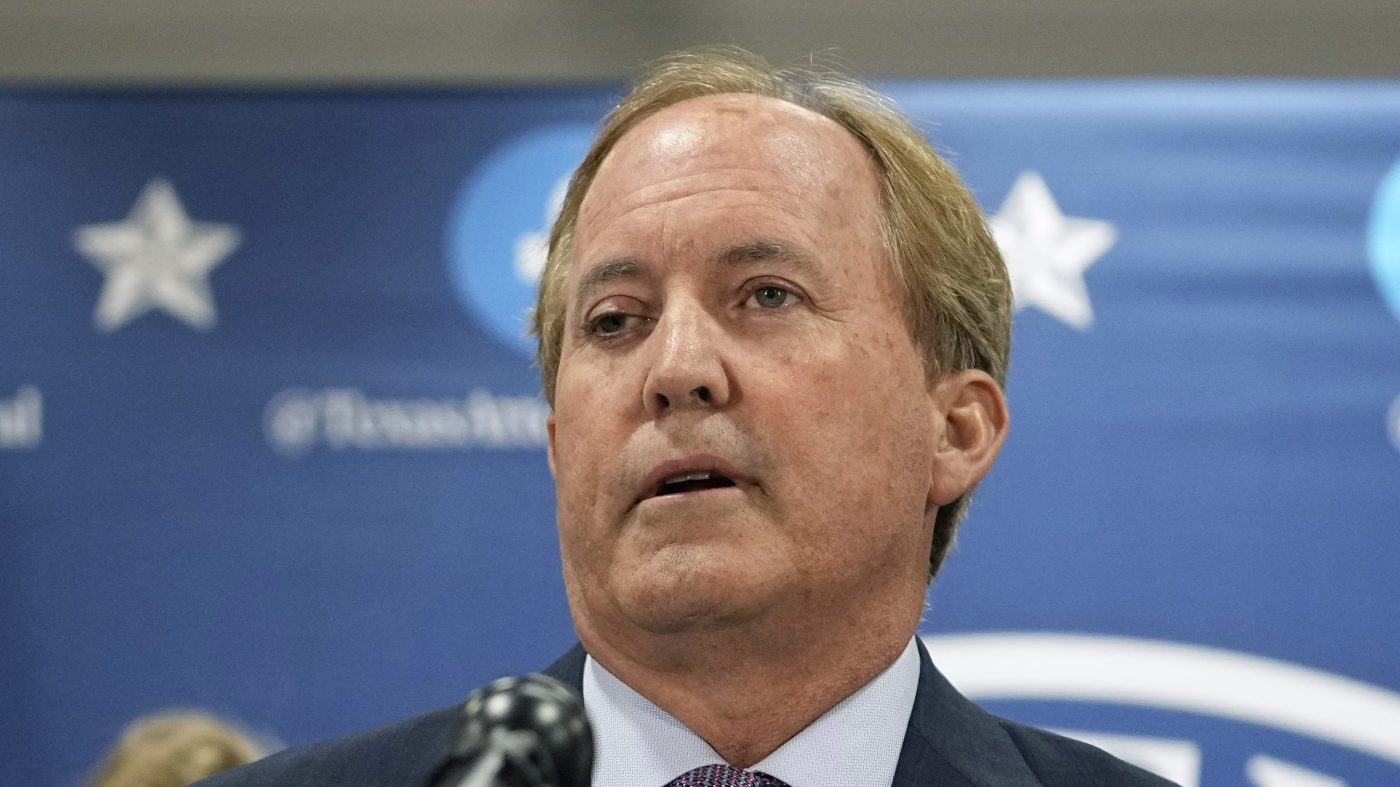
The family of a Texas woman who died while pregnant has filed a lawsuit against state Attorney General Ken Paxton and several medical providers, alleging that their refusal to allow an abortion directly contributed to her death.
Tierra Walker, 37, died in 2024 from complications of preeclampsia, a severe pregnancy-related condition. According to court documents, she experienced seizures, blood clots, and a hypertensive crisis while four months pregnant and repeatedly requested an abortion, but was told that her baby was healthy and that the procedure was not an option.
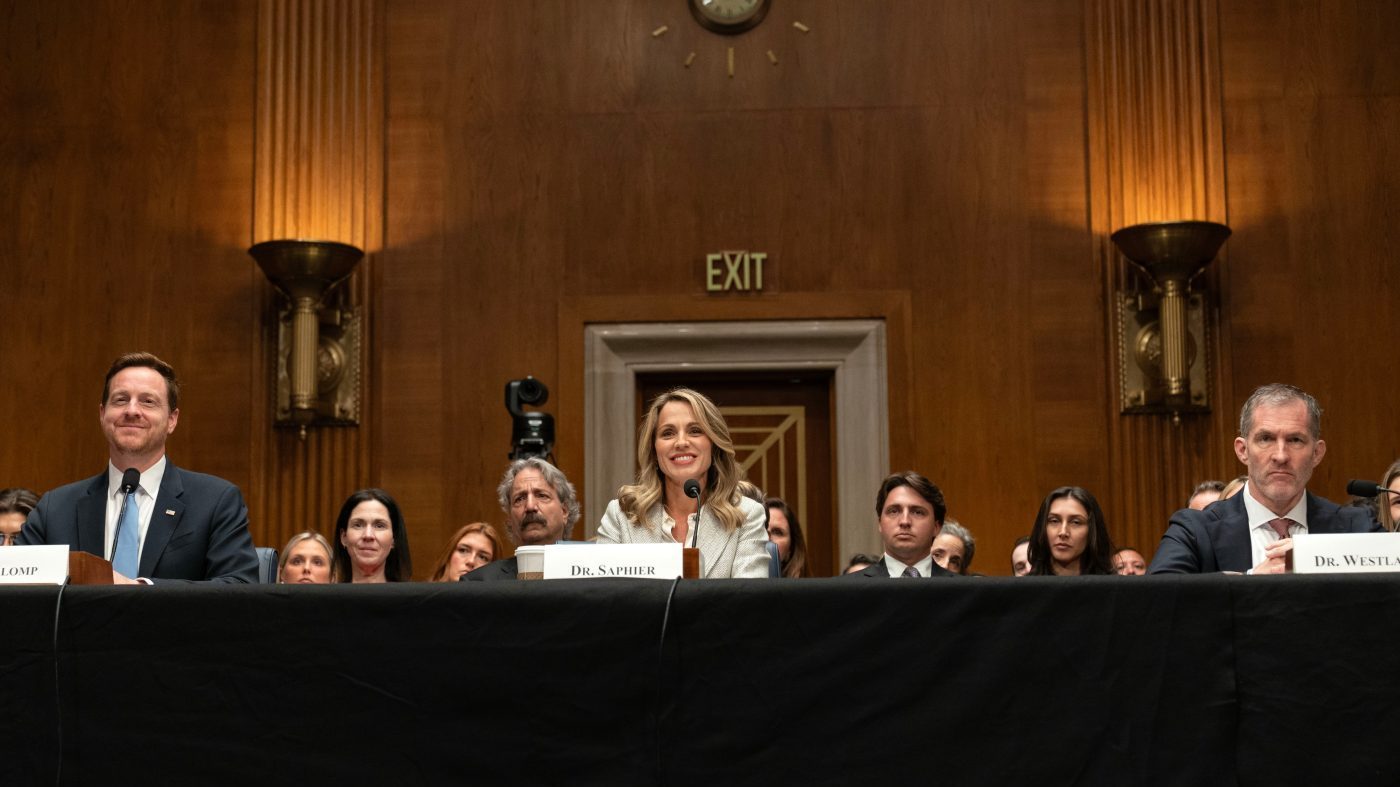
The lawsuit, filed Wednesday in Bexar County, names Paxton, Texas Medical Board Executive Director Stephen Brint Carlton, the University of Texas Health Science Center at San Antonio, Bexar County Hospital District, Bexar County District Attorney Joe Gonzales, and three of Walker's treating physicians as defendants.
Lawyers for the Walker family argue that this collective failure constitutes "deliberate indifference, discrimination, and medical mistreatment" that "ultimately caused her horrific and tragic death." They also assert that "too many pregnant Texans have already died preventable deaths" and that "no one has held them accountable."
The Texas Medical Board, in response to inquiries, stated that under current rules, physicians are not required to wait until a mother's life is in immediate danger before providing necessary care, and that such care "may include the termination of a pregnancy" in certain circumstances. However, a ProPublica investigation found that nearly 90 medical professionals were involved in Walker's care, yet none offered her an abortion.
Texas's 2022 abortion restrictions, which took effect after the Supreme Court overturned Roe v. Wade, ban nearly all abortions, including in cases of rape or incest, but allow exceptions when the patient's life or health is at risk. Doctors who violate the law face felony charges, up to 99 years in prison, loss of their medical license, and fines of up to $100,000.
Paxton has been a staunch defender of these policies. Most recently, he intervened in the case of McKenna West, a surrogate who fled to Texas after the biological parents sought an abortion, arguing that the unborn child should receive medical treatment. This lawsuit adds to the growing scrutiny of Paxton's role in enforcing abortion restrictions, especially as he considers a potential Senate run. Political analysts have noted that Paxton's own legal troubles and controversial positions could shape his political future, as seen in recent analysis of his Senate prospects.
The Walker family's attorneys also drew parallels to other high-profile cases, suggesting that Texas's political climate has created a culture of fear among doctors. "At every turn, Texas's political and medical establishments not only failed but actively harmed Ms. Walker," they wrote.
Neither Paxton's office, the Texas Medical Board, nor the attorneys for the Walker family immediately responded to requests for comment. The lawsuit comes amid ongoing national debates over abortion access, with advocacy groups pouring millions into key House races to influence the issue, as reported by abortion rights groups.
This case underscores the real-world consequences of restrictive abortion laws, which have been linked to rising maternal mortality rates in Texas. The state has also seen a wave of course cuts at public universities amid conservative pressure, reflecting broader political tensions over healthcare and education policy.